Singapore, Where the Hawkers and Michelin Stars Share a Wall

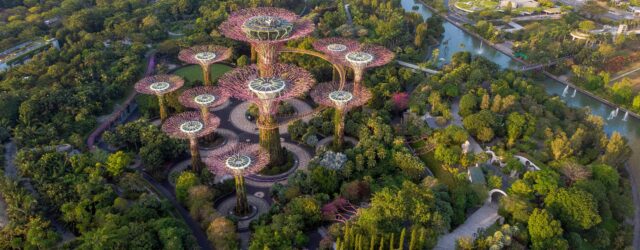
At six in the evening on Amoy Street, a hawker is portioning out zi char under fluorescent tubes three doors down from a dining room where a tasting menu will run past midnight and through a dozen courses. Neither business considers itself the exception. This is the basic fact that organises pleasure in Singapore, and it is different from how most cities do it. London separates its Michelin rooms from its caff by postcode. Tokyo hides its best counters behind unmarked doors in different districts entirely. Singapore instead stacks its registers, hawker centre, heritage shophouse, restored colonial museum, two-Michelin-star kitchen, World’s 50 Best bar, onto the same five or six streets, sometimes the same block, and judges all of them by one shared, exacting local standard, whether it’s the best version of the thing it claims to be. A guide to this city has to move the way locals actually experience it, not upward through price tiers or neighborhoods, but sideways across a compressed grid of civic monuments, heritage quarters, hawker centres, dining rooms, and bars that all answer to the same standard. Continue reading

June Check Ins: 4 Hotels Worth Escpating To This Monsoon

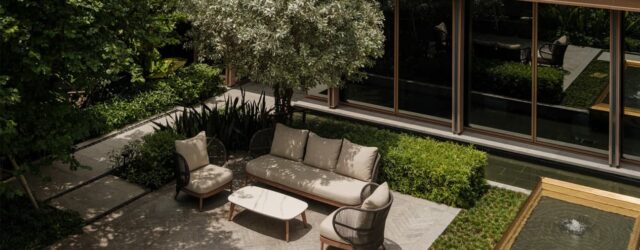
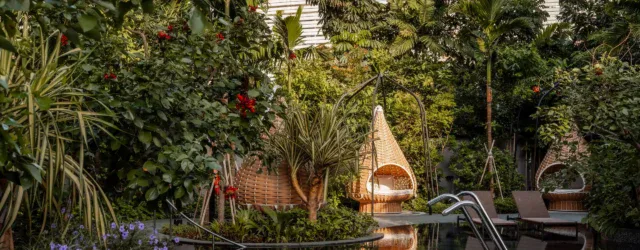
June settles over the Strait of Malacca as the southwest monsoon takes hold, a season defined less by rain than by heat, with squalls that blow through before dawn and clear skies that turn the afternoons fierce. Travel adjusts accordingly, with mornings spent out early, long midday hours passed indoors and dinner restored as the main event of the day. The four hotels this month, three in Singapore and one in Penang, are chosen for sheltered arrivals, shaded grounds and dining rooms strong enough to make staying in a decision rather than a compromise. Continue reading

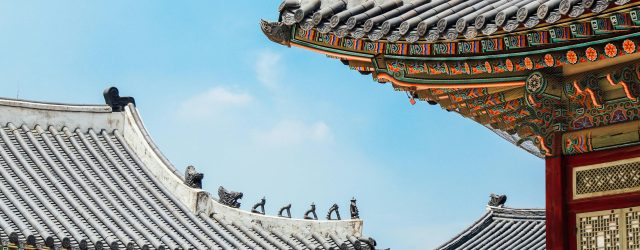
Palace Walls, Peking Duck and Beijing’s Quiet Cocktail Revival

Beijing | Beijing City Guide

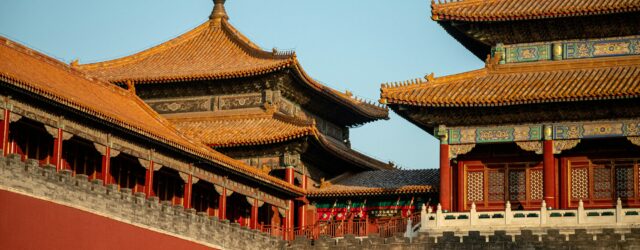
Duck skin crackles under the carver’s blade, fat rendered thin and glass-clear, the meat beneath left pink and loose enough to fold into a pancake without tearing. Meals in Beijing move along a straight line the way the city itself does, laid out on a north-south axis that has not shifted in six centuries, palace gates opening onto avenues that lead to altars, markets, and now to private dining rooms hidden behind unmarked doors. Where other Chinese cities build pleasure through contrast, Beijing builds it through precision and hierarchy: duck roasted to an exact number of days, tea poured only once everyone is seated, cocktails built from ingredients that reference dynasties rather than seasons. Few cities carry this much formal memory into something as ordinary as dinner. Beijing does it at every register, from a three-table meat pie stall in a hutong to a three-Michelin-star dining room a few streets away. Continue reading

May Check Ins: Spring on the Steppe and Heat at the Equator

May rewards a route from the northern uplands to the equator, and the weather changes the brief at every stop. Around Hohhot the air runs dry and the days clear, warm enough to be outdoors yet cold enough at night for a fire and a sky thick with stars, the pull of the canyon country before summer. Beijing hits its most walkable stretch, warm and dry ahead of July humidity, so hutong mornings and museum afternoons hold. Singapore stays hot and storm-prone, turning the right address into a cool base within reach of dinner. Continue reading

April Check Ins: From Penang’s Coastal Humidity to the Serene Hills of Ipoh

April in Peninsular Malaysia rewards travellers who plan around the heat rather than against it. George Town walks well before 10am and after dusk, Ipoh asks for water and shade through the afternoon, and Kuala Lumpur’s 2pm to 4pm rain window structures dinner reservations and evening movement. The five hotels below address April’s climate not by insulating guests from it but by giving them a workable base within it, with positioning and programming that turn the middle of the day into the most interesting part of the stay.
Continue reading

More Than Mala: Pandas, Hotpot and Chengdu’s Underrated Bar Scene

Steam rises from a split hotpot, chilli oil sitting thick on the surface while tripe curls and beef slices firm up, chopsticks moving in steady rhythm across the table. Meals in Chengdu run long, dishes arriving in rounds, tea refilled without pause, and the table left intact until the last person finishes eating. Sichuan cooking drives this pace through contrast, chilli heat softened by sugar, numbing peppercorn following later, vinegar cutting through oil, and fermented pastes sitting underneath to hold everything together. Few cities organise pleasure with this kind of structural logic. Chengdu does it across every part of the day. Continue reading

March Check Ins: Thawing Out The Last Of Winter in Greater China

March places these cities into a workable band where Chengdu holds steady at temperatures that allow full days on foot around Taikoo Li and Chunxi Road without fatigue, while Lijiang’s elevation drops temperatures enough for cold mornings and evenings that change how the day is paced. Shenzhen remains dry, making movement between Futian and Nanshan predictable, and Hong Kong sits in a period where tables at restaurants and seats at bars can still be secured without extended lead time. The day becomes linear rather than fragmented, moving from late morning coffee into lunch districts, returning for a reset, then heading back out for dinner and bars without needing to account for long transit gaps. These hotels work because they remove distance, manage access, and reduce dependence on transport, allowing time to be spent on food and neighbourhoods rather than logistics. Continue reading

Seoul City Guide: Fire, Fermentation And Precision In The Glass

Seoul’s reputation travels globally through choreography, cinema and glass towers, yet the city’s credibility is built far more quietly through what it cooks and what it pours. Rustic broth houses and charcoal grills operate with the same seriousness as Michelin starred tasting counters, while a bar scene of genuine regional weight balances technical precision with restraint. The range appears wide, but the governing logic is singular, because whether seated at a gukbap table at noon or a cocktail counter in Gangnam at midnight, Seoul rewards calibration over spectacle. Continue reading

February Check Ins: Warm Cities and Considered Retreats

February carries a transitional mood. In much of Asia, the air is dry and temperate, skies are clearer, and the rush of year end travel has settled into a more deliberate pace. Travellers at this point in the calendar are not chasing spectacle. They are seeking recalibration. Cooler mornings and mild evenings encourage longer meals, slower spa rituals and suites that function as working sanctuaries rather than display pieces. Psychologically, this is a month for reset. Energy is rebuilding, routines are stabilising, and comfort matters in practical ways. Good bedding, efficient service, restorative treatments and well run dining rooms become the difference between movement and recovery. February travel rewards hotels that understand rhythm. Not noise, not novelty, but properties that know how to host quietly and well. Continue reading

What I Learned In 76 Flights

Window Seat | Flighty

Seventy six flights. Twenty three domestic, fifty three international, ten long haul. The rest short and medium haul. The numbers are precise because every sector is tracked on Flighty, and seeing them arranged in sequence reframes what flying becomes over time. Movement turns into pattern. Privilege turns into repetition. The first flight in this stretch was Kuala Lumpur to Bangkok, a short sector that did not technically require business class, yet it was booked anyway for ease rather than necessity. Priority check in removed waiting. A wider seat meant landing without stiffness. Being first off the aircraft shortened the wait at immigration. Even then, a principle emerged quietly. The quickest way to arrive well is often the most efficient, not the most dramatic. Continue reading