July splits into two overlapping weather systems across this route. Bangkok sits deep in its wet season, the rain arriving in short, hard bursts rather than all day, which rewards hotels with enough happening indoors that a downpour is a pause, not a problem. Macau, Hong Kong and Shenzhen move in the opposite direction, into the year’s most oppressive humidity and the start of typhoon season proper, when a sealed, climate-controlled tower with serious dining starts to look less like a luxury and more like a plan. The six hotels this month, two in Bangkok, one in Macau, one in Hong Kong and two in Shenzhen, are chosen on that logic: kitchens strong enough to anchor an evening, wellness floors worth the detour, and rooms high enough above the street to make the weather someone else’s problem.
Capella Bangkok
A Chao Phraya address where Bill Bensley’s design and a one-Michelin-star kitchen do the talking.
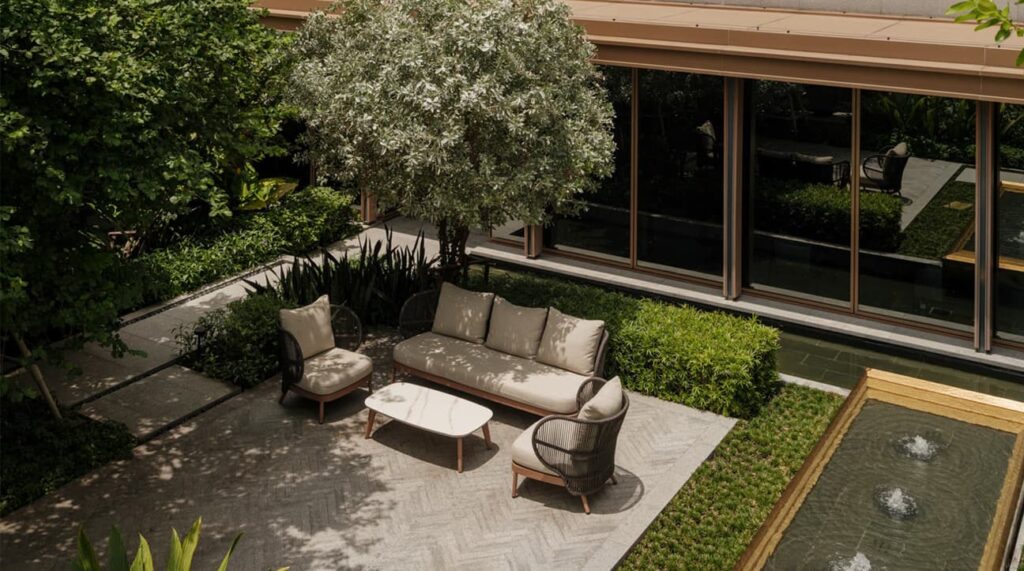
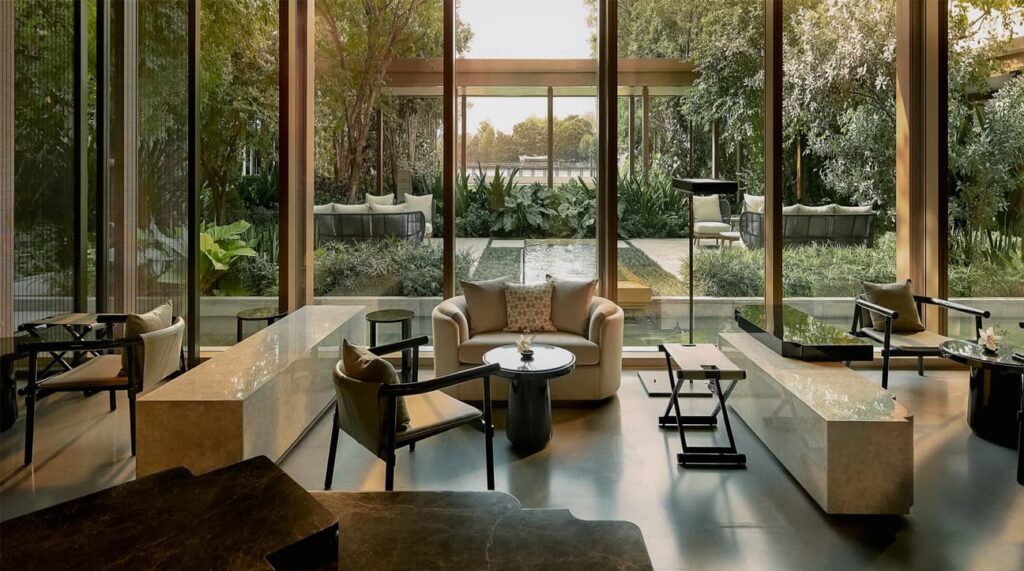
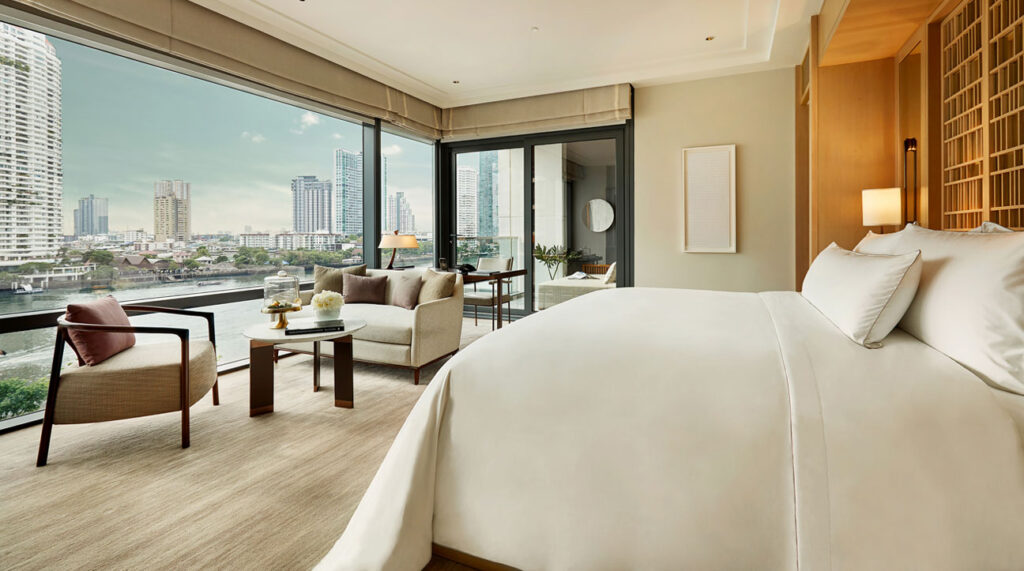
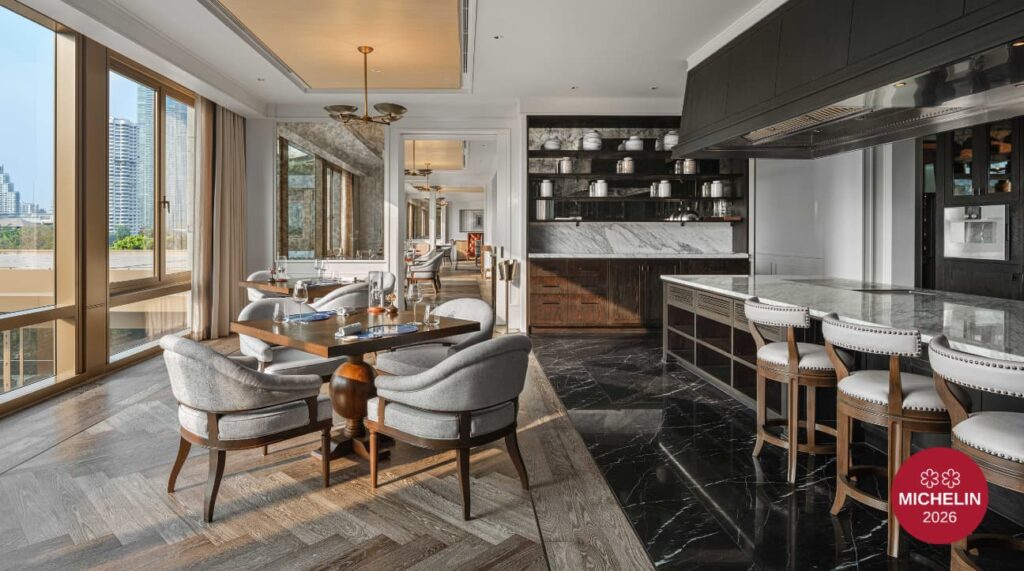
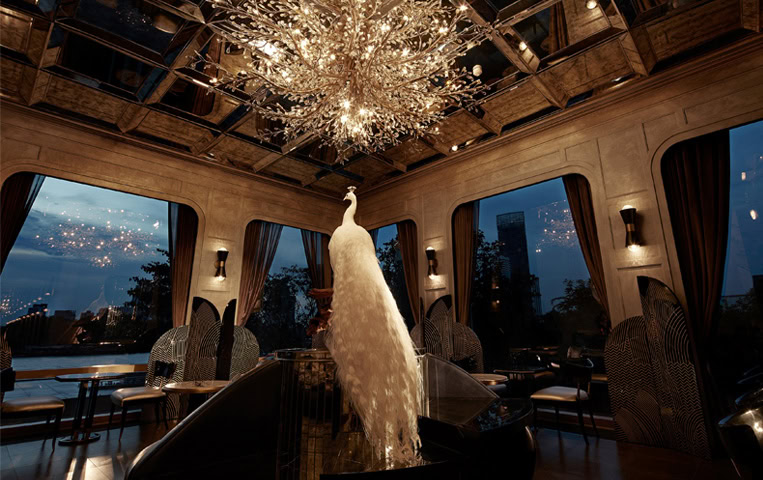
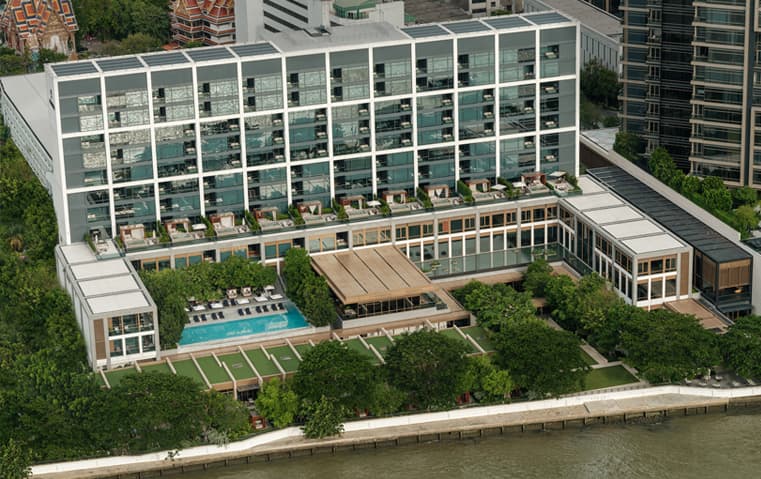
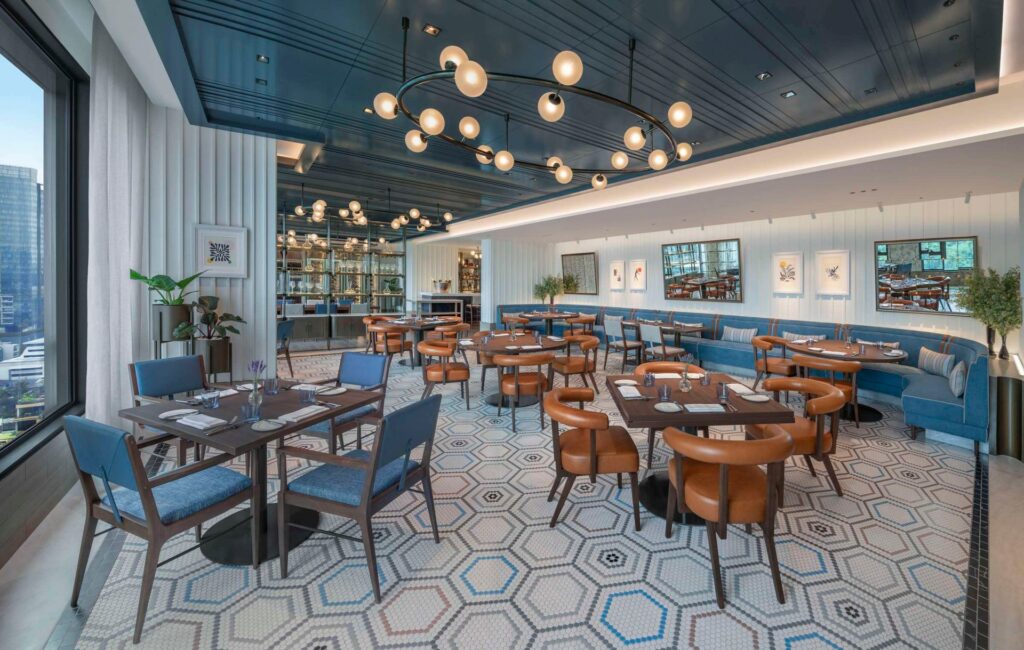
Capella Bangkok makes its case on the river, a 101-room, suite and villa property that Bill Bensley curated to weave Thai heritage art through a contemporary shell, set back from Charoenkrung Road since opening in 2020. The address matters as much as the design: Charoenkrung is the strip where the European trading houses and the city’s original consulates once sat along Bangkok’s first paved road, and the hotel reads as a quieter, more considered version of that old riverside character, its pool deck running out to the water’s edge and a greenhouse garden growing the herbs and edible flowers that turn up across the menus. Côte carries Mauro Colagreco’s pedigree from Mirazur, the three-Michelin-starred restaurant in France that topped the World’s 50 Best list in 2019, into a one-Michelin-starred, Riviera-leaning dining room, and Stella, the glamorous riverfront bar, opens at 6pm for evenings that start there and run late. The stronger case in July, though, is Auriga Wellness, a 1,074-square-metre facility with seven treatment rooms, including two spa suites, a thermal bathing area and a garden tea lounge by the water. A Deep Diffuse massage went straight after the muscle tension a wet-season week leaves behind, and a Biologique Recherche skin analysis ahead of a facial turned out to be the more thorough, more useful version of a treatment most hotel spas wave through.
Highlights:
- Côte, Mauro Colagreco’s one-Michelin-starred Riviera-inspired dining room.
- Auriga Wellness: a 1,074-square-metre spa with a Biologique Recherche partnership.
- Stella, a glamorous riverfront bar on the Chao Phraya, open from 6pm.
Sindhorn Kempinski Hotel Bangkok
A wellness-first address by Lumpini Park with a cigar-and-jazz bar worth the detour alone.
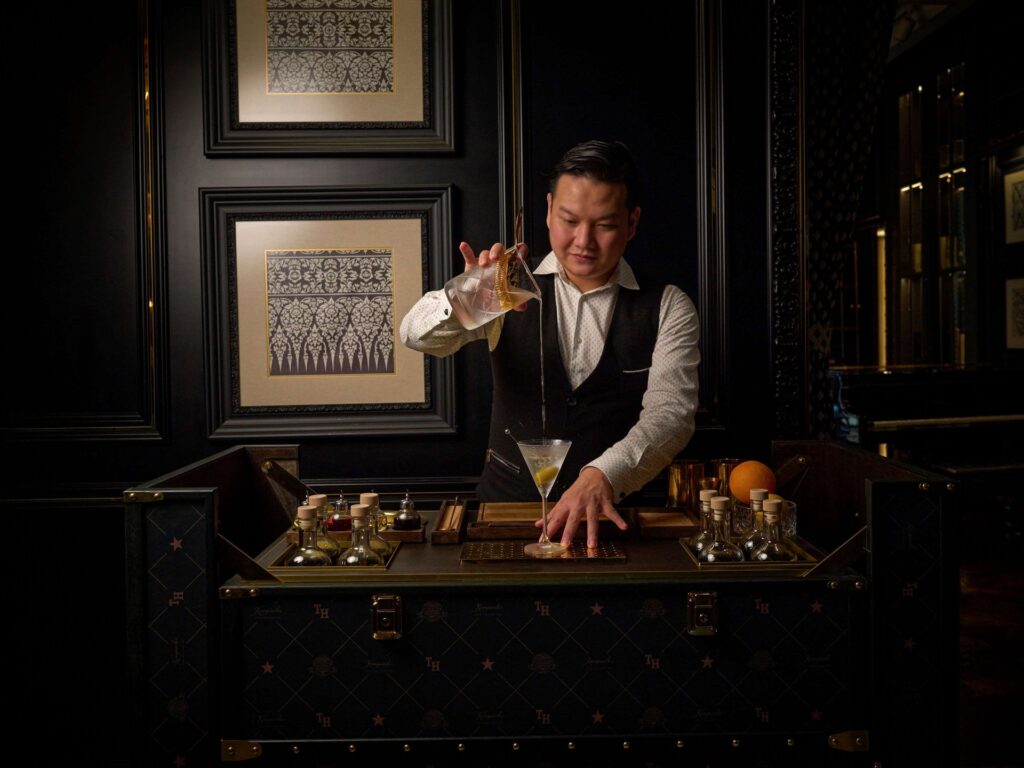
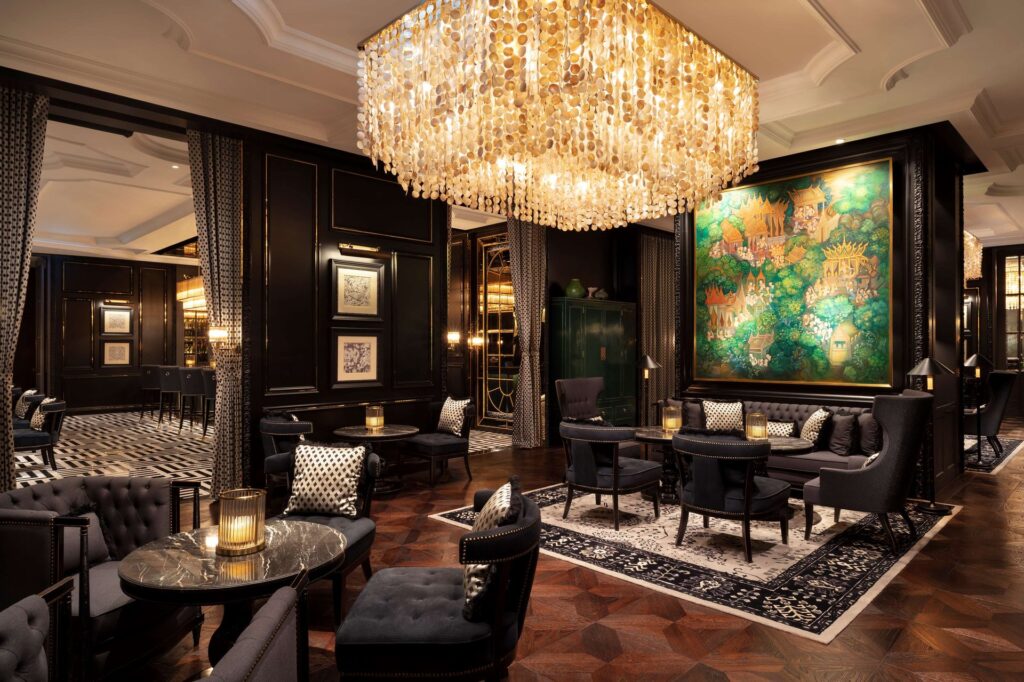
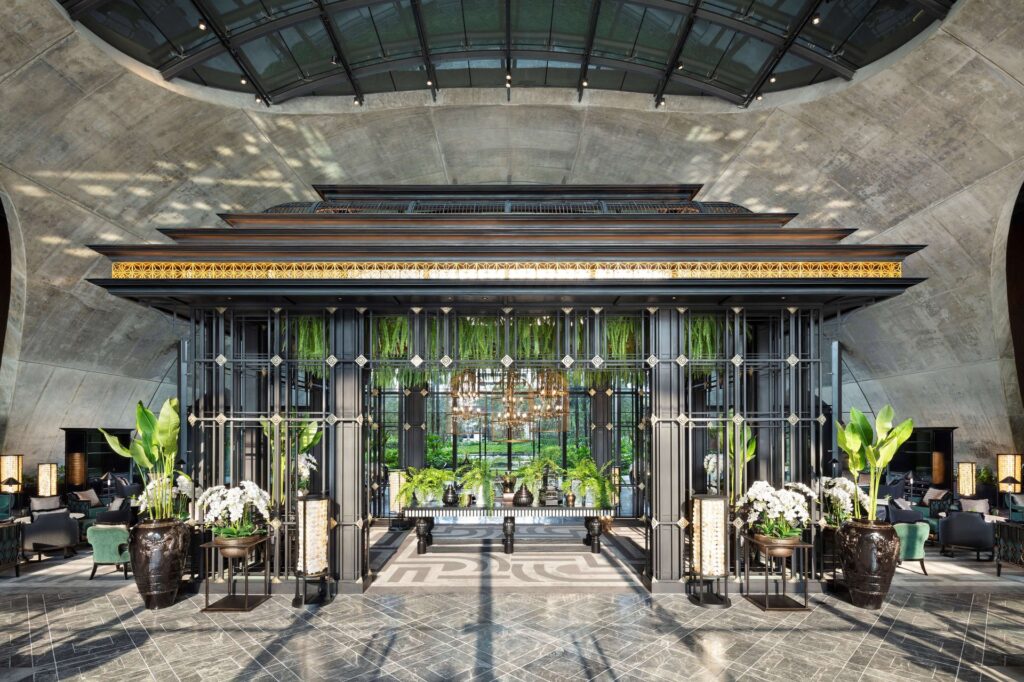
Sindhorn Kempinski built its case around wellness before it built the rooms, opening in 2022 inside Sindhorn Village in the Langsuan neighbourhood, a quiet, leafy enclave close enough to Lumpini Park that the 274 rooms and suites trade the usual Bangkok streetscape for green space instead. The building’s raw board-formed concrete and its gardens were conceived together, the architectural form said to have grown out of the garden rather than the other way round, and the lobby that P49 Design built inside it, bright, airy, centred on a Sala showcasing handcrafted plant and flower exhibits, has since been named Best Hotel Lobby Interior of Thailand at the International Property Awards Asia Pacific. The two-floor, 4,000-square-metre fitness facility and Resense spa anchor the wellness identity on paper, and a 25-metre cantilevered saltwater infinity pool on the 12th floor backs it up in practice, its skyline panorama sitting just above the garden view for the mornings before the rain sets in. The stay’s better hours came after dark at Firefly Bar, the lobby-level room dressed in forest green, black and gold, where a Casa del Habano cigar parlour sits alongside fine wines and classic cocktails and a live jazz band plays nightly from 8pm to 11pm inside a bar that runs until 1am.
Highlights:
- Resense spa and a two-floor, 4,000-square-metre fitness facility.
- A 25-metre cantilevered saltwater infinity pool over Lumpini Park.
- Firefly Bar, with nightly live jazz and a Casa del Habano cigar parlour.
Wynn Palace Macau
Cotai’s floral resort, where three kitchens carry more weight than the casino floor.
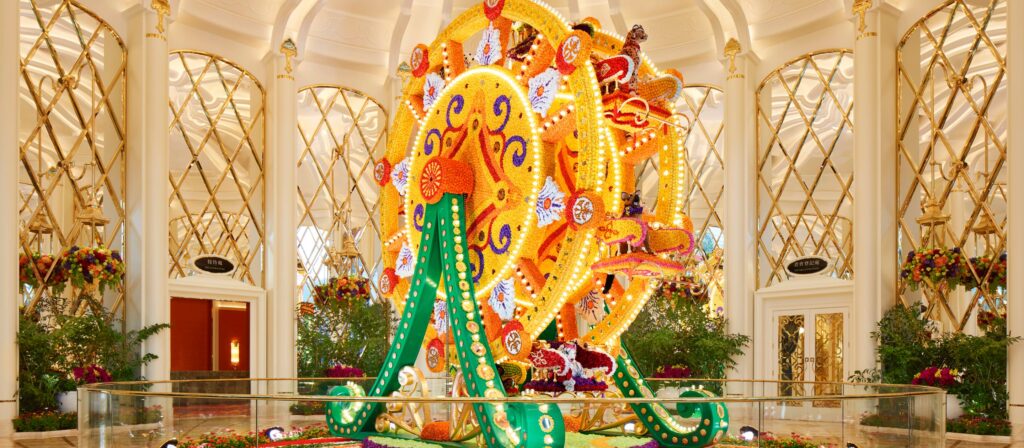
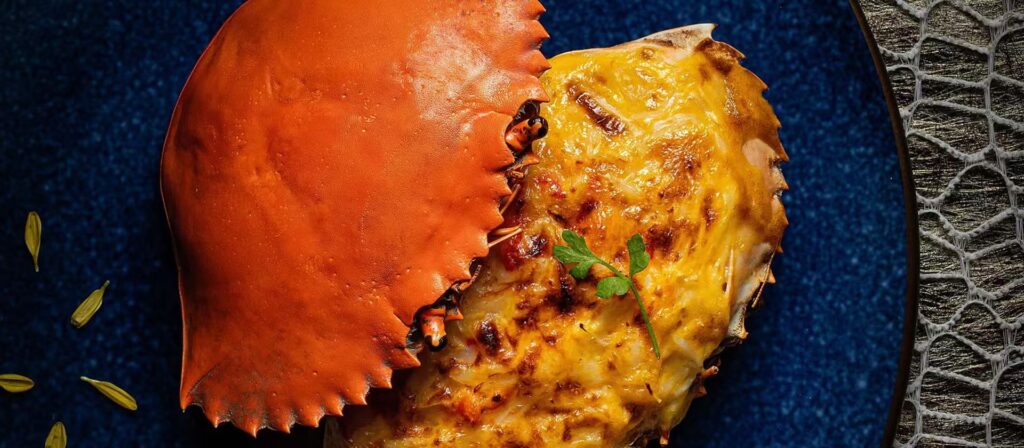
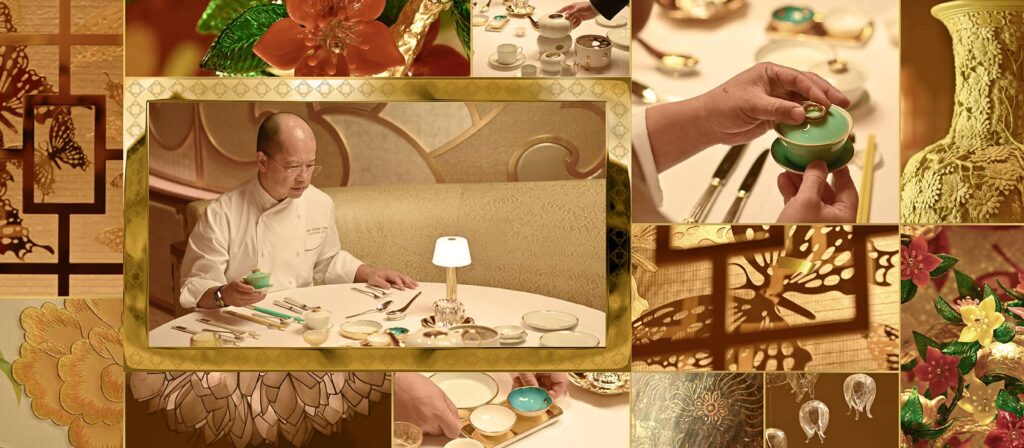
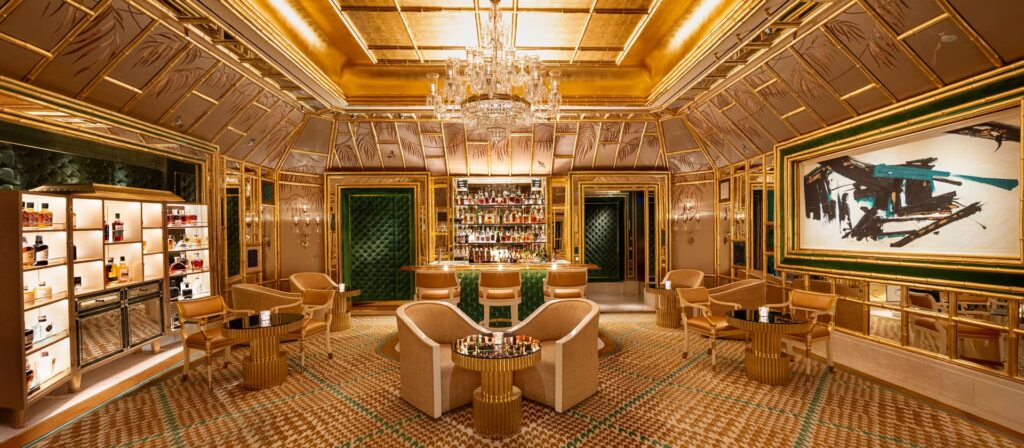
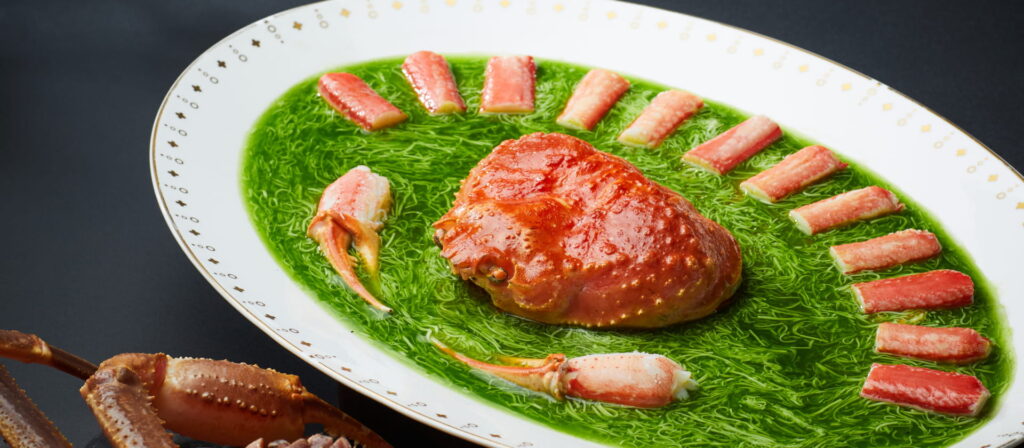
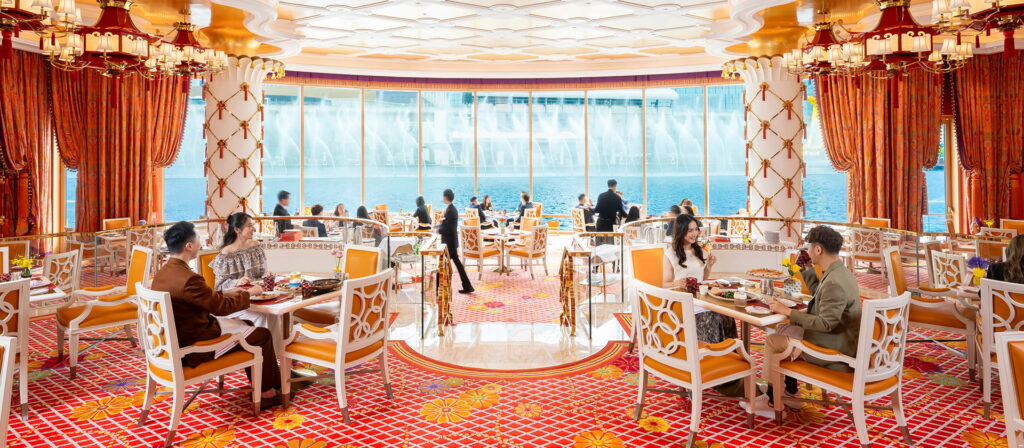
Wynn Palace opened on Cotai in August 2016 with 1,706 rooms wrapped around a floral theme, hundreds of thousands of fresh flowers built into seven sculptural displays and a lobby where the arrangements intertwine with crystal chandeliers, a Forbes Five-Star resort that treats the arrival sequence as seriously as the rooms. Guests can cross the property by SkyCab, a dragon-themed gondola that clears Performance Lake, the eight-acre centrepiece that stages a choreographed water and light show every 20 to 30 minutes and is worth timing a walk around, but July here is a month to treat as a dining address first. Chef Tam’s Seasons is the standout, the only restaurant in Macao to hold two MICHELIN stars, with Cantonese Master Chef Tam Kwok Fung building menus around the 24 solar terms rather than a fixed card. Mizumi, one MICHELIN star under Executive Chef Hironori Maeda, backs that up with teppanyaki and one of the city’s largest sake collections, and Wing Lei Bar sits between the two for a drink worth a mention even on a night built around dinner elsewhere. Set among the mega-resorts of the Cotai Strip, alongside Galaxy Macau and The Venetian just across the road, Wynn Palace still manages to feel like the quietest of Macau’s headline addresses once the casino floor is behind you.
Highlights:
- Chef Tam’s Seasons: two MICHELIN stars, Cantonese, built around the 24 solar terms.
- Mizumi: one MICHELIN star, contemporary Japanese, with a major sake list.
- Wing Lei Bar, positioned between the resort’s two headline kitchens.
Upper House Hong Kong
André Fu’s Admiralty aerie, with a reinvented Mediterranean top floor.
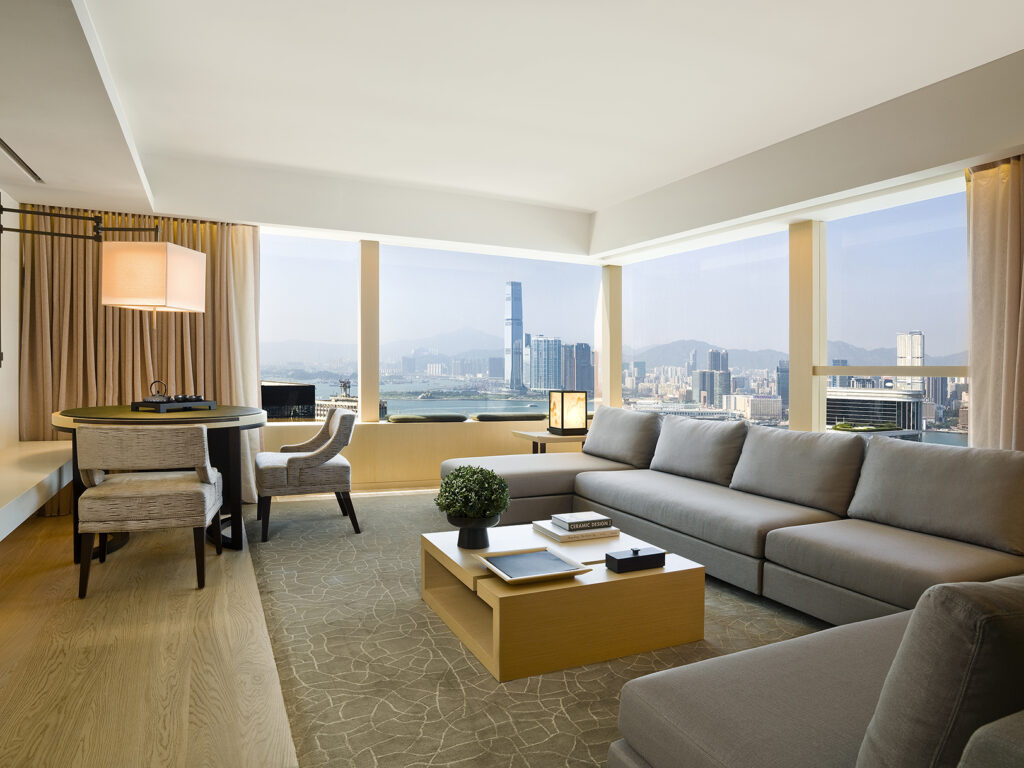
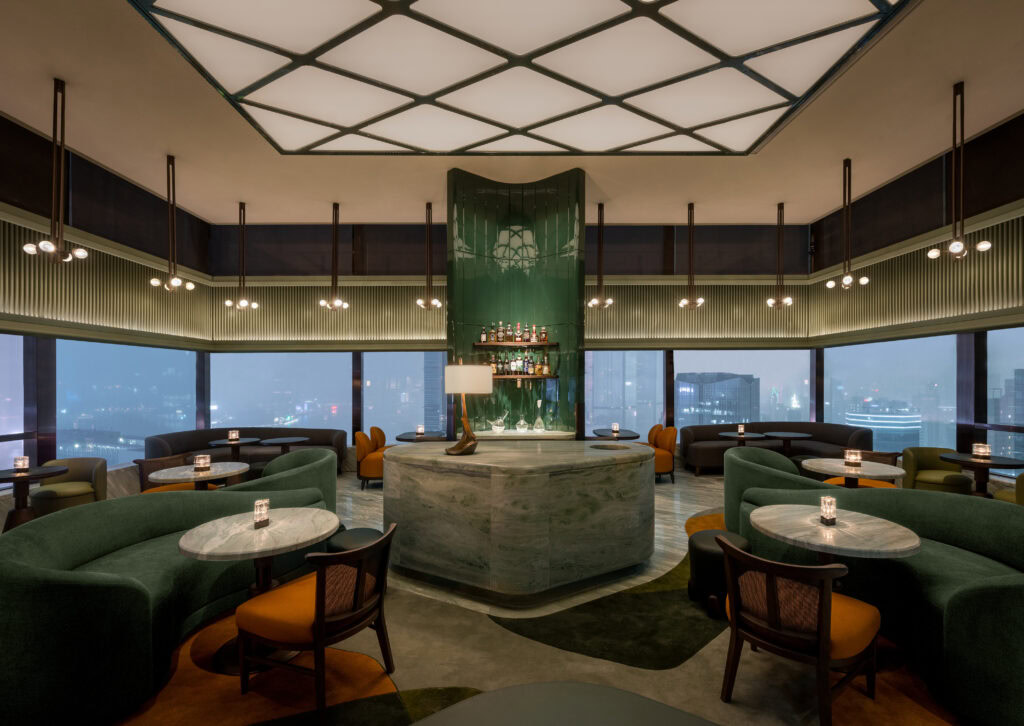
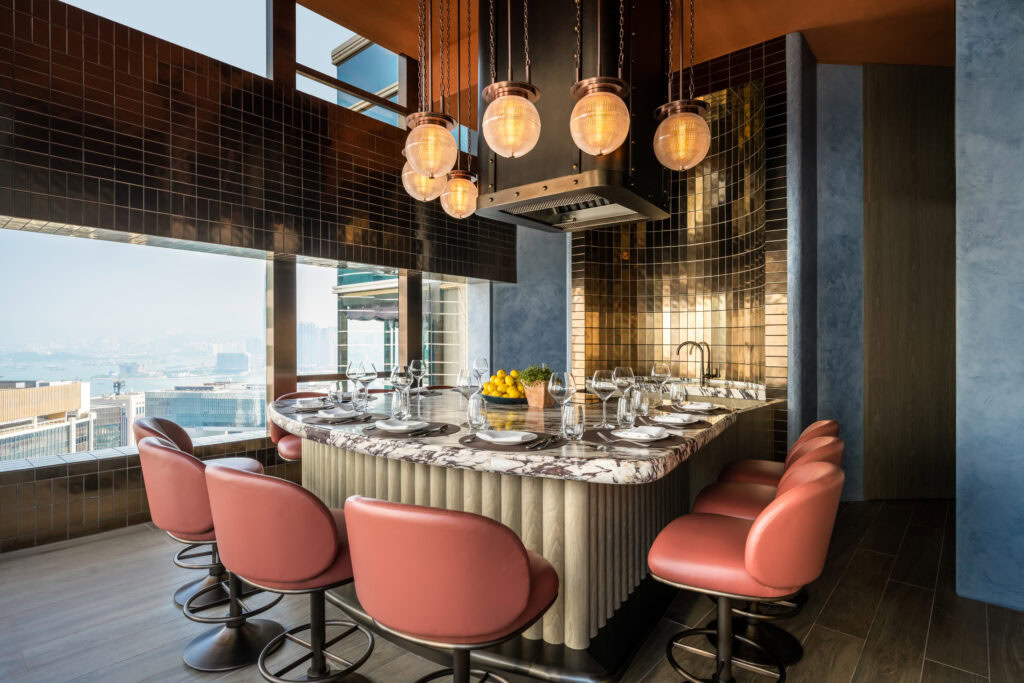
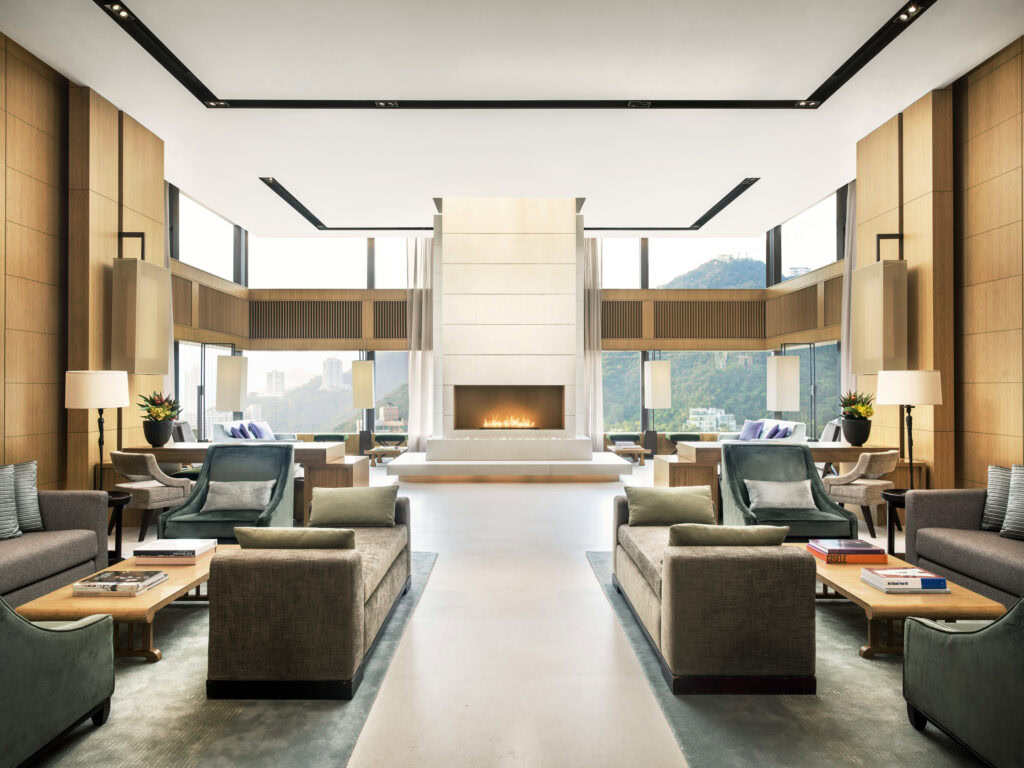
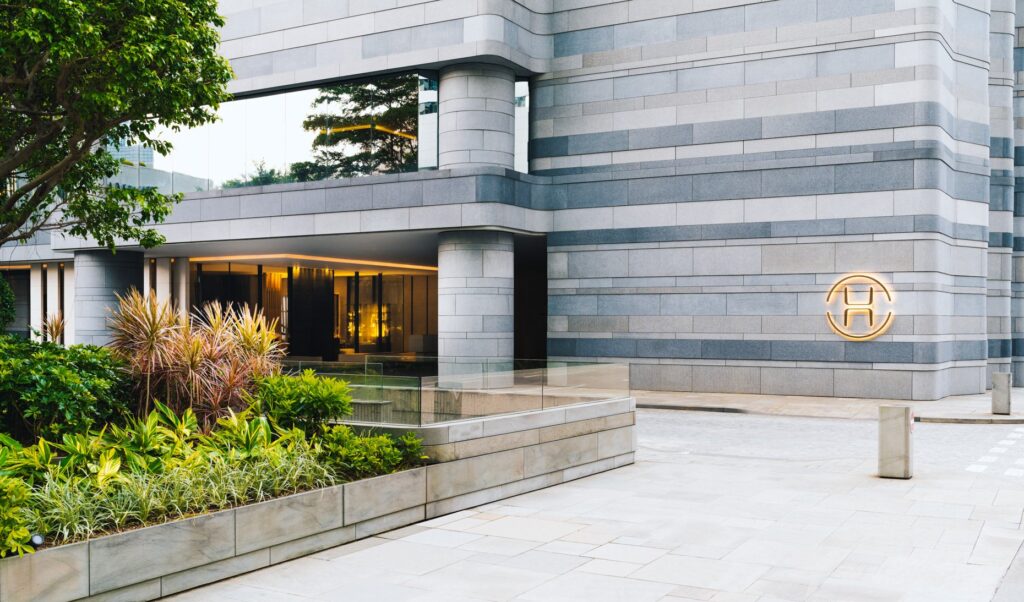
Upper House opened in October 2009 inside a Pacific Place tower in Admiralty, its name drawn from the idea of an upward journey through the mall below to a quieter house of natural materials and filtered light, 117 rooms that mark one of André Fu’s first and still most recognisable hotel projects. Fu’s design runs from the rooms, presented in two colour schemes, a bamboo-and-ash ‘Bamboo’ and a green-tea-and-oak ‘Celadon’, through to the restaurants, bars and wellness floor, built on his stated belief that an expensive fabric or a chandelier doesn’t by itself make a room feel luxurious. Salisterra crowns the top level, on the site that once held Café Gray Deluxe’s grand-café dining room over Victoria Harbour, reinvented in 2023 into an elevated Mediterranean bistro with a colour-forward, less austere take on the same view, and the food matched the setting on a July night when the heat outside made the terrace-adjacent seating feel earned rather than incidental. Next door, the Green Room, an intimate backstage-inspired lounge on Level 49, took over for the second half of the evening with deceptively simple craft cocktails in a room built for close conversation. The tower sits within Pacific Place, alongside the Conrad, the JW Marriott and Island Shangri-La, though Upper House has always read as the quieter, more residential address of the four, a house rather than a hotel by design. Upstairs, the hotel’s Wellness Residencies programme turns former guest rooms into working studios for specialists on rotation, Chain’s blending modern and traditional Chinese medicine, Human Arc (formerly 10x Longevity) running evidence-based recovery protocols, and GOOD Yoga anchoring the movement side, part of what’s pushed Upper House toward a reputation as Hong Kong’s foremost address for pro-ageing and longevity work rather than a conventional spa list.
Highlights:
- Salisterra, a top-floor Mediterranean bistro reinvented by André Fu in 2023.
- The Green Room, an intimate cocktail lounge beside Salisterra on Level 49.
- Wellness Residencies: rotating specialists in TCM, longevity science and yoga inside converted guest rooms.
Park Hyatt Shenzhen
A cloud-top address turning six this July, with Cantonese cooking and a proper wellness floor.
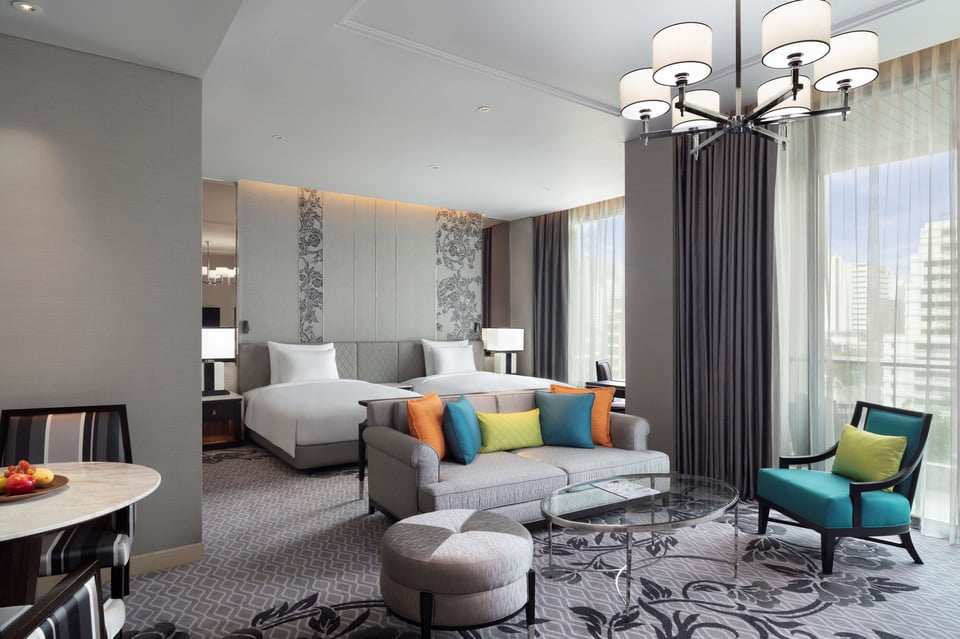
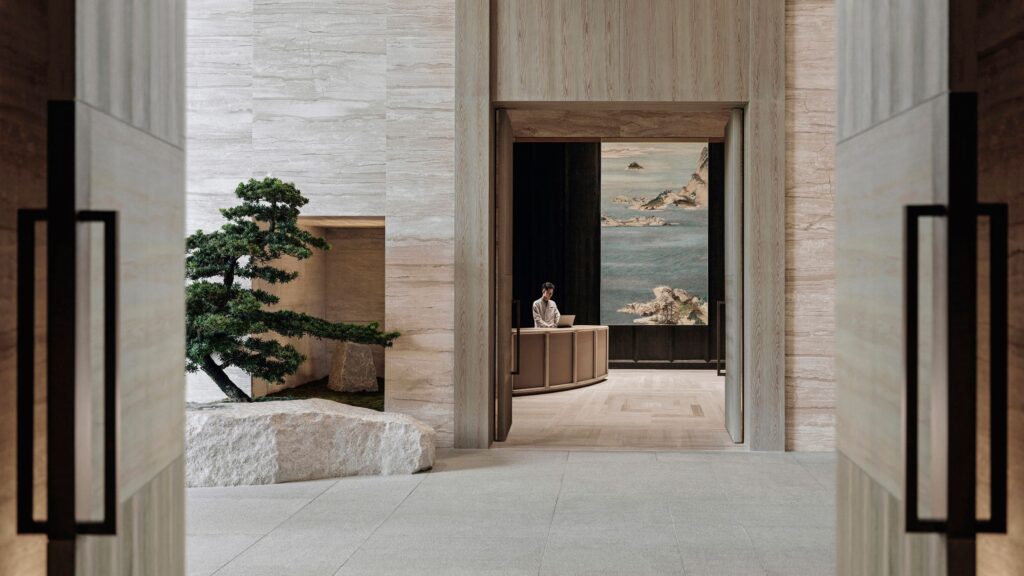
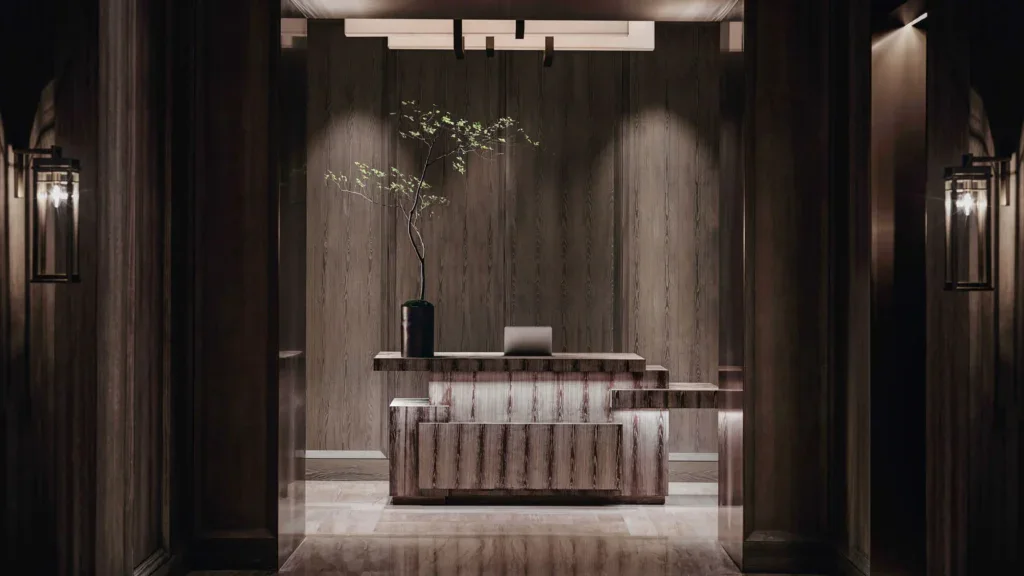
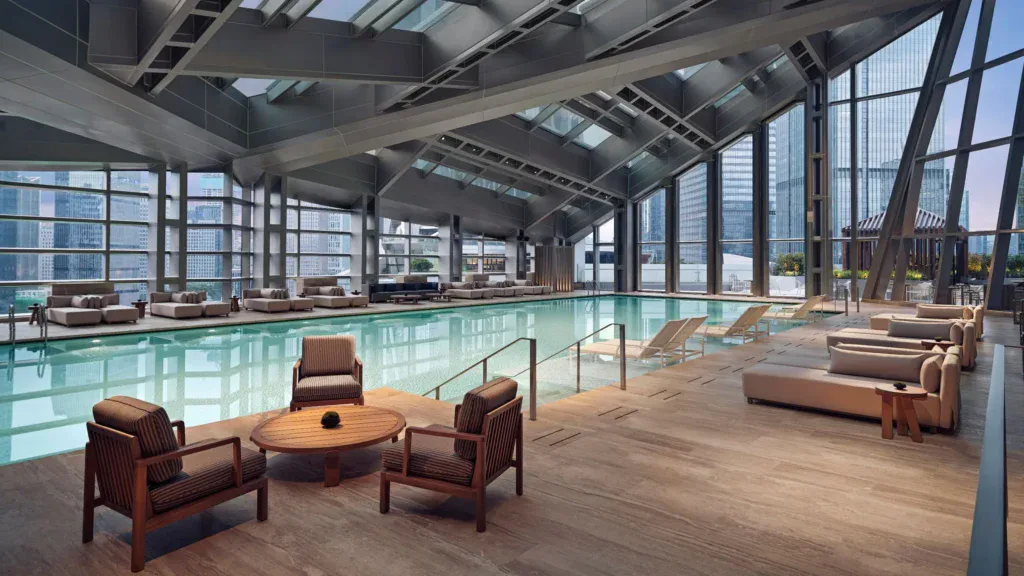
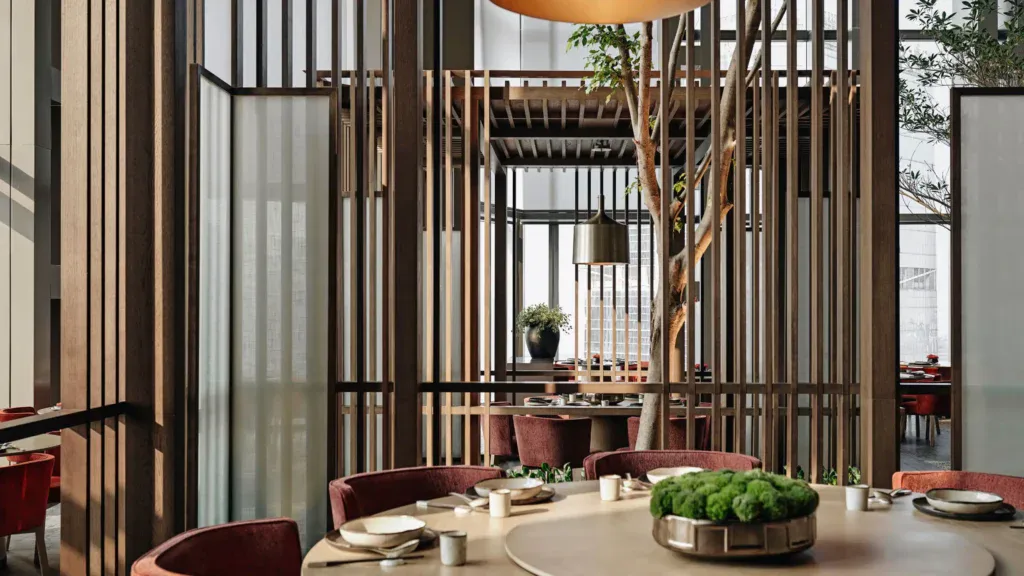
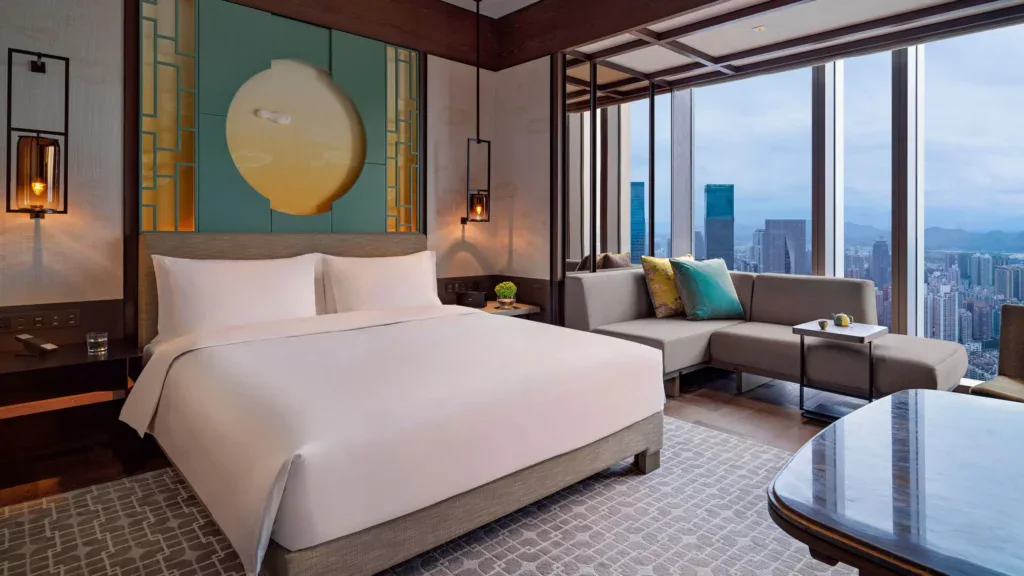
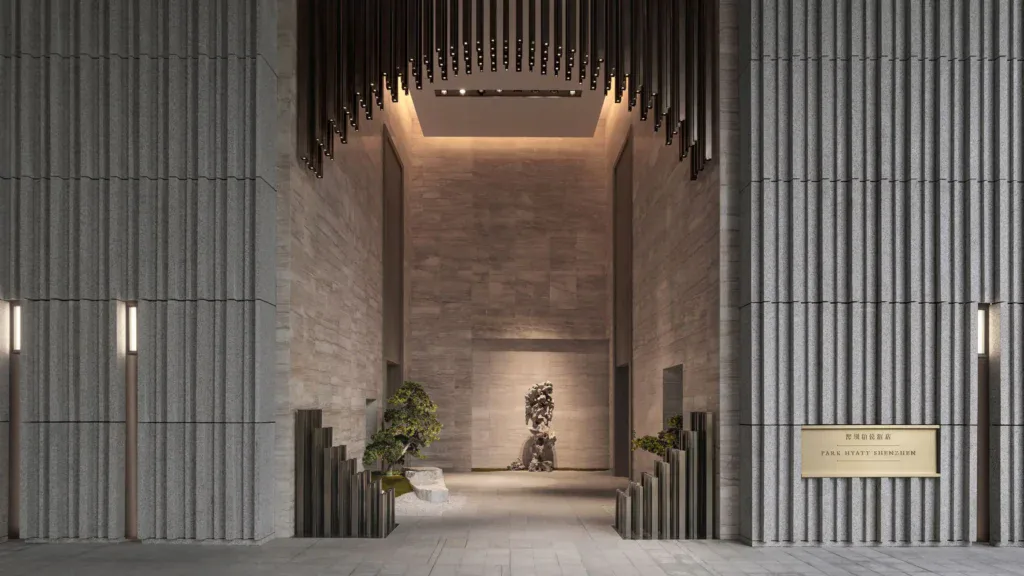
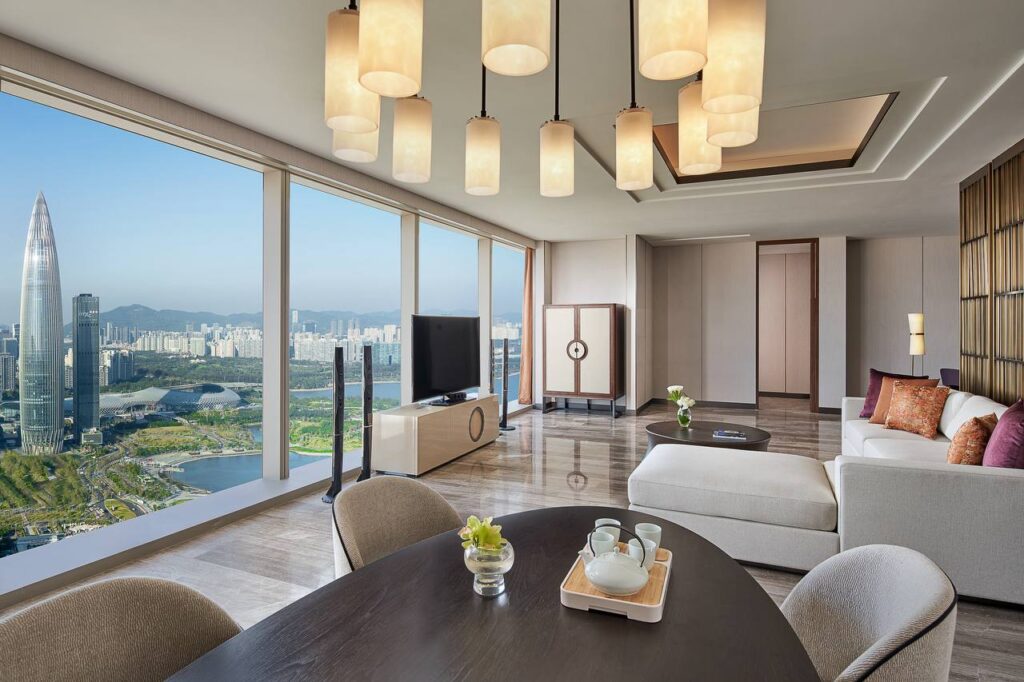
Park Hyatt Shenzhen opened on 29 July 2019, so this stay landed on the hotel’s sixth anniversary, 195 rooms and 24 suites set across floors 36 to 44 of the Ping An Finance Centre’s South Tower, a 48-storey Kohn Pedersen Fox building shaped like a dynamic glass-and-steel butterfly with its wings spread against the Futian skyline. Yabu Pushelberg’s interiors read as the calmer counterpoint to that architecture, a botanical oasis suspended above one of Shenzhen’s busiest business districts, with direct underground access to the metro and the Futian high-speed rail station and the Shenzhen Convention and Exhibition Centre close enough to walk to, corporate offices and luxury shopping filling the streets below. Garden Pavilion carries the Chinese dining, a pavilion-like room across four private dining spaces serving Cantonese cuisine with Lingnan influences, and the kitchen backed up the setting on a night when both the food and the room’s height over the district earned the booking. The wellness floor matched it: a spa built around a 25-metre indoor pool, dry and wet steam rooms and warm and hot pools, the kind of proper hydrotherapy circuit that’s rarer in city hotels than it should be. The Attic, a speakeasy-style bar tucked at the hotel’s apex with a deep collection of gins and curated spirits and a private KTV room off to the side, is worth a stop even on a night anchored elsewhere in the hotel.
Highlights:
- Garden Pavilion, Cantonese cuisine with Lingnan influences across four private rooms.
- A spa built around a 25-metre pool, steam rooms and hot and warm pools.
- Floor-to-ceiling views over Futian from a Yabu Pushelberg-designed room, 36 floors up.
Raffles Shenzhen
The month’s best meal, seventy floors above Shenzhen Bay.
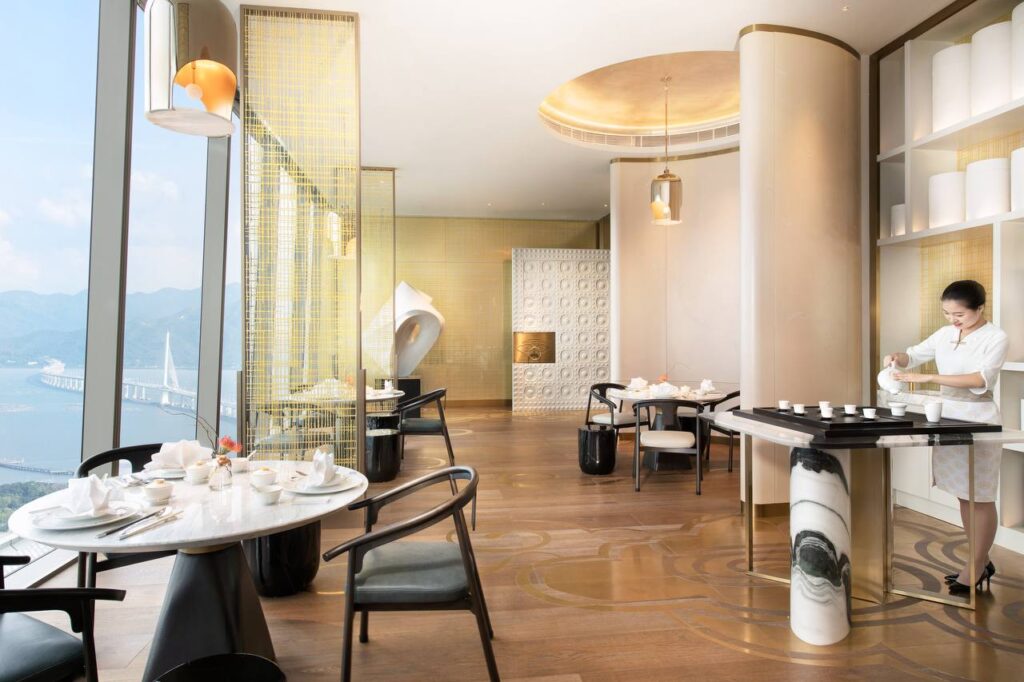
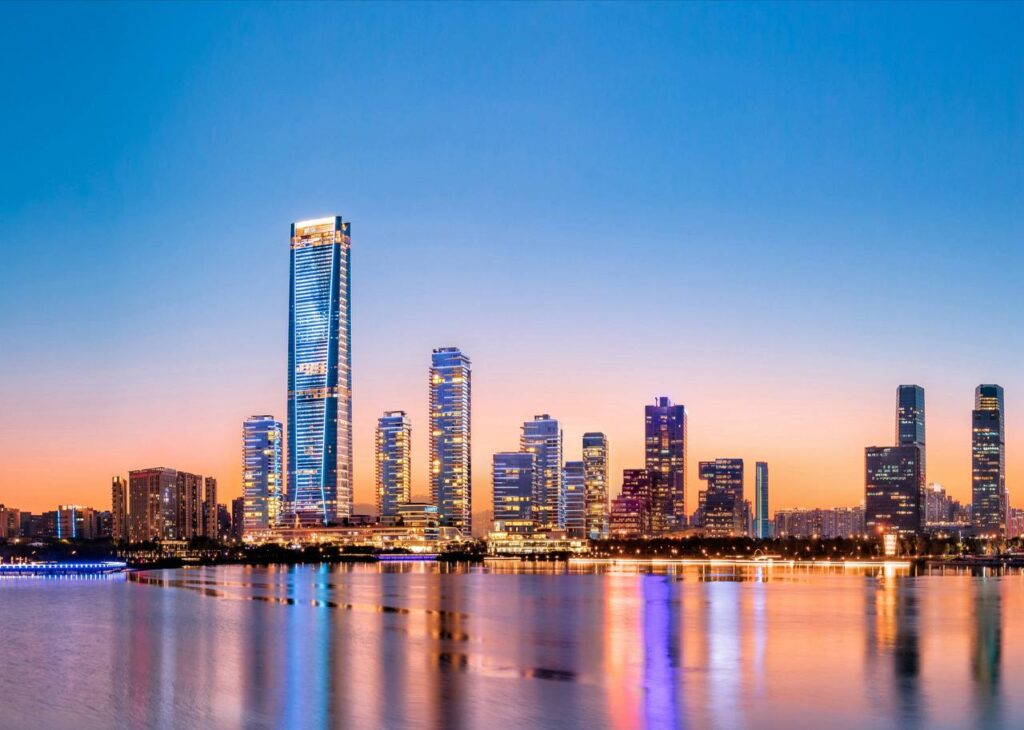
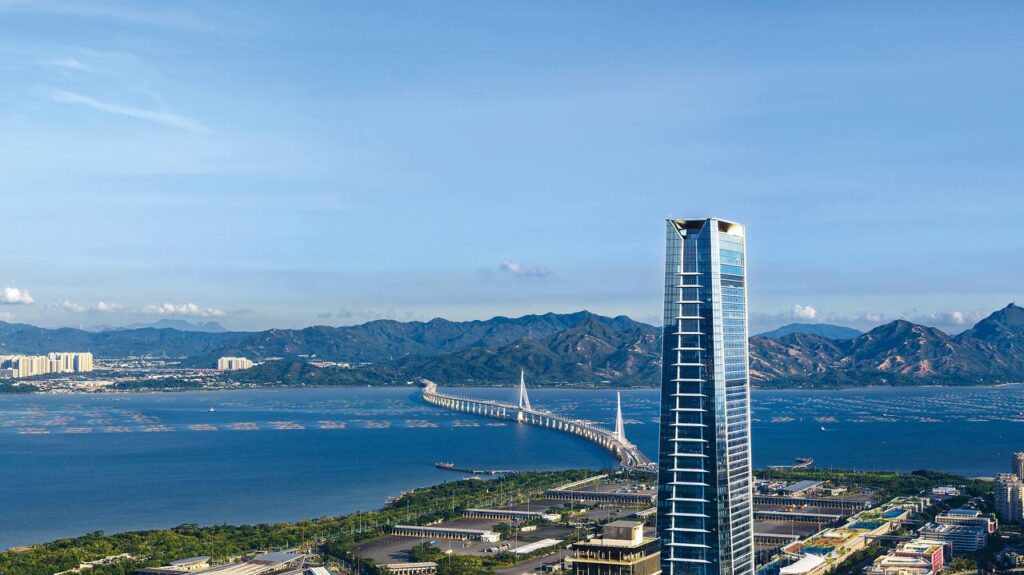
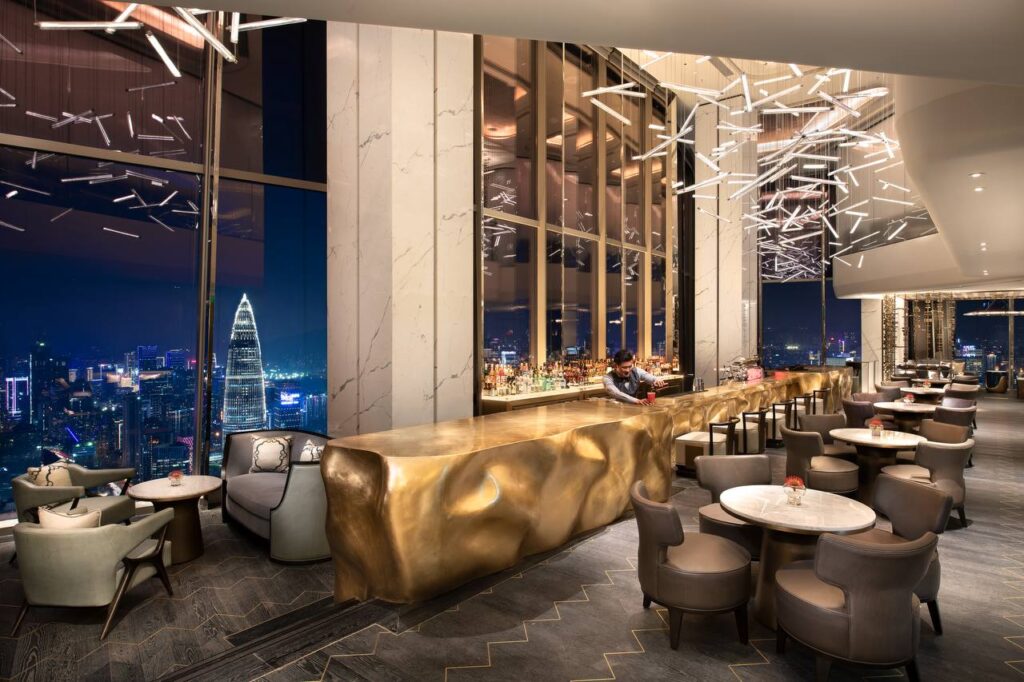
Raffles Shenzhen opened in 2019 inside One Shenzhen Bay, an 80-storey Kohn Pedersen Fox tower at the centre of a mixed-use development of six residential towers and an elevated green promenade running down to Shenzhen Bay Park, its balconies angled to echo the soft waves of the bay below. LW Design’s Pia Sen led the interiors, a contemporary take built with a deliberate respect for the Chinese culture the hotel sits inside, spread across 168 rooms and suites from floors 33 to 45 and again at 70 and 71, sized from 60 to 434 square metres with the city and bay filling the windows throughout. Yun Jing was the trip’s standout meal by a clear margin, occupying the entire 70th floor with Cantonese fine dining across ten private rooms, each themed to a different gemstone, and food that justified every one of those seventy floors. Long Bar, the Raffles signature reworked one level up on 71, is worth a mention for a pre-dinner drink, open from 2pm daily and until 1am on Fridays and Saturdays, though Yun Jing is what carried the stay. Developer Parkland Group built the tower into the Houhai district’s waterfront identity, an elevated promenade tying the hotel back to Shenzhen Bay Park, so the sense of water carries through from the lobby all the way up to the 70th floor.
Highlights:
- Yun Jing: Cantonese fine dining across the entire 70th floor, ten gemstone-themed private rooms.
- Long Bar, the Raffles signature bar reworked on the 71st floor.
- Uninterrupted Shenzhen Bay views from rooms among the most generous footprints in the city.