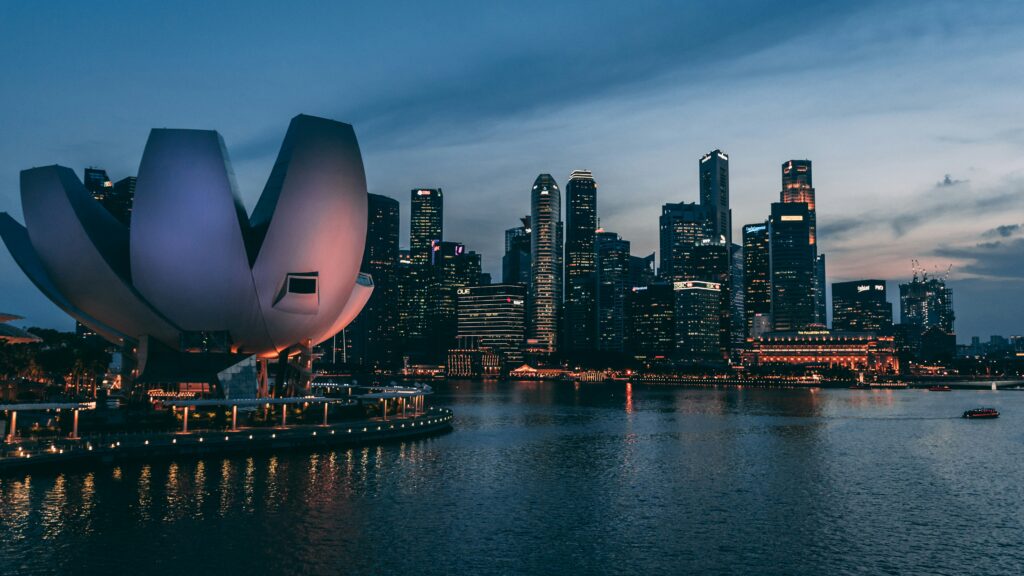
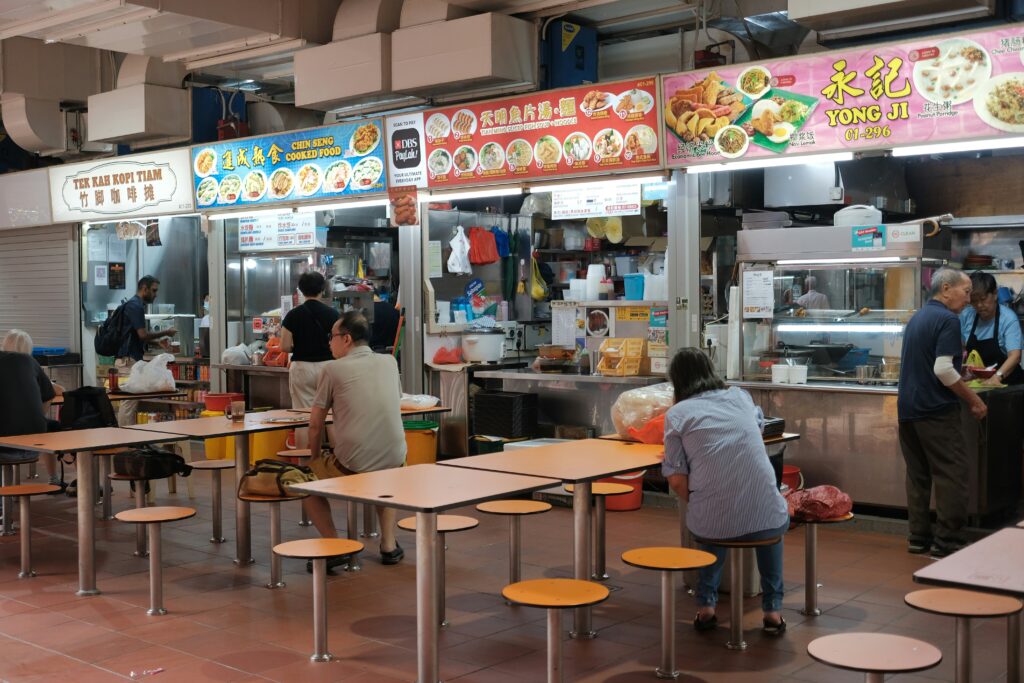
At six in the evening on Amoy Street, a hawker is portioning out zi char under fluorescent tubes three doors down from a dining room where a tasting menu will run past midnight and through a dozen courses. Neither business considers itself the exception. This is the basic fact that organises pleasure in Singapore, and it is different from how most cities do it. London separates its Michelin rooms from its caff by postcode. Tokyo hides its best counters behind unmarked doors in different districts entirely. Singapore instead stacks its registers, hawker centre, heritage shophouse, restored colonial museum, two-Michelin-star kitchen, World’s 50 Best bar, onto the same five or six streets, sometimes the same block, and judges all of them by one shared, exacting local standard, whether it’s the best version of the thing it claims to be. A guide to this city has to move the way locals actually experience it, not upward through price tiers or neighborhoods, but sideways across a compressed grid of civic monuments, heritage quarters, hawker centres, dining rooms, and bars that all answer to the same standard.
Singapore Sights: Supertree Gardens, National Gallery and Sentosa
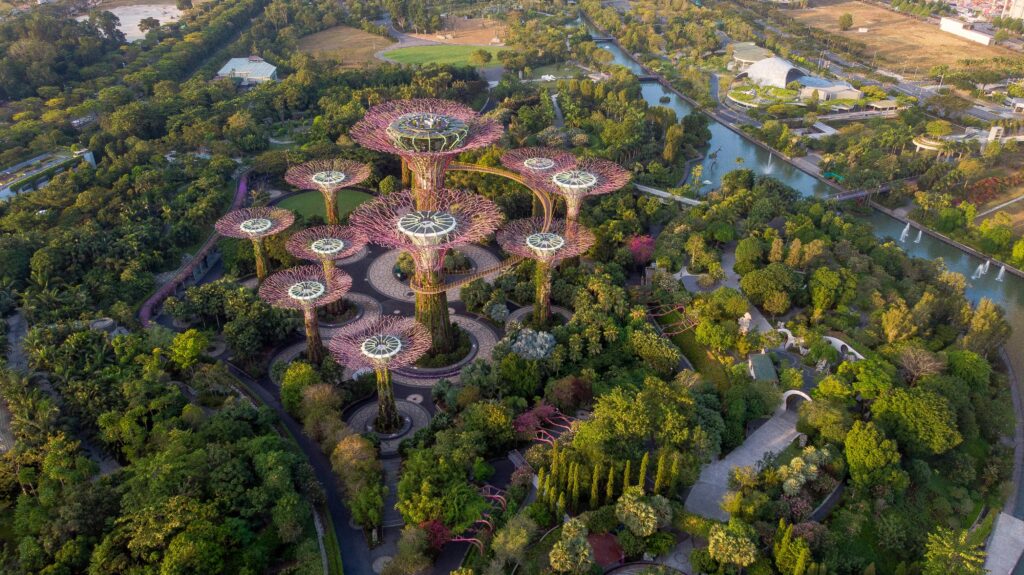
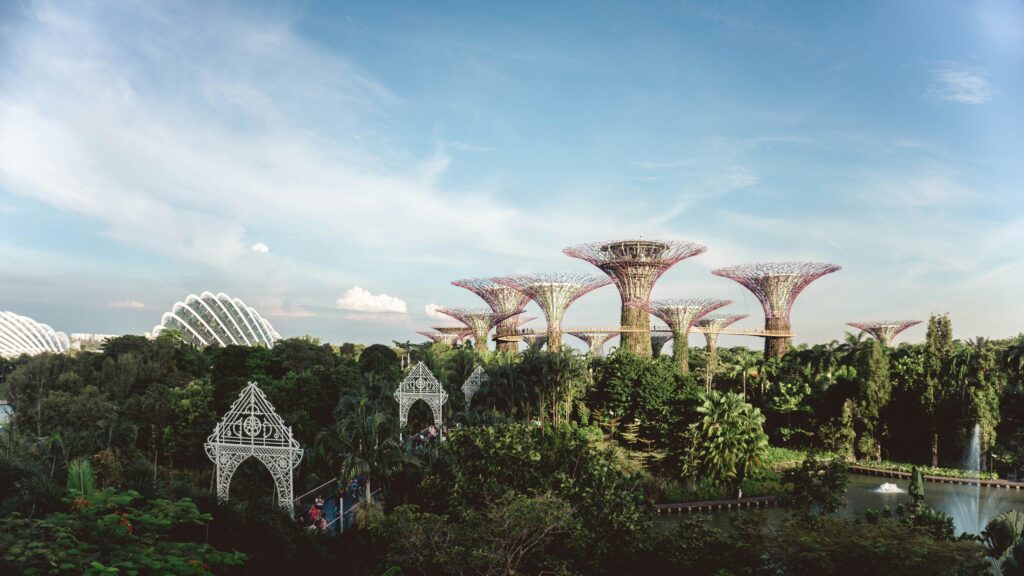
Singapore’s most photographed attraction and its most serious art museum sit inside the same civic district, and visiting both back to back says more about how the city treats culture than either does alone. Gardens by the Bay and the Marina Bay waterfront are Singapore’s clearest statement that nature here is not preserved so much as engineered. The Supertree Grove’s steel structures double as vertical gardens and solar collectors, the Cloud Forest packs a misted mountain and a 35-metre waterfall under one dome, and the OCBC Skyway walkway across the treetops empties into a nightly light show over the bay. A ten-minute walk away, two former colonial landmarks, the old Supreme Court and City Hall, were fused into a single museum beneath a vast latticed canopy to create National Gallery Singapore, now home to the world’s largest public collection of Singaporean and Southeast Asian art, more than 8,000 works spanning the 19th century to the present. The DBS Singapore Gallery traces the nation’s own art history room by room, the UOB Southeast Asia Gallery widens the lens regionally, and Odette and Milli both operate out of the same building, so a single visit can move from a survey of Southeast Asian modernism to a rooftop cocktail without leaving the block. Push that same instinct for engineered spectacle into pure leisure and you land on Sentosa, a whole island reached by cable car, monorail, or a free walk-in boardwalk, holding the Singapore Oceanarium (the rebuilt, three-times-larger successor to the old S.E.A. Aquarium), a casino resort, beach clubs, and Fort Siloso, a restored 1880s coastal gun battery where the Surrender Chambers stage the British capitulation to Japan in 1942 and the reverse surrender in 1945 through preserved tunnels and life-sized dioramas.
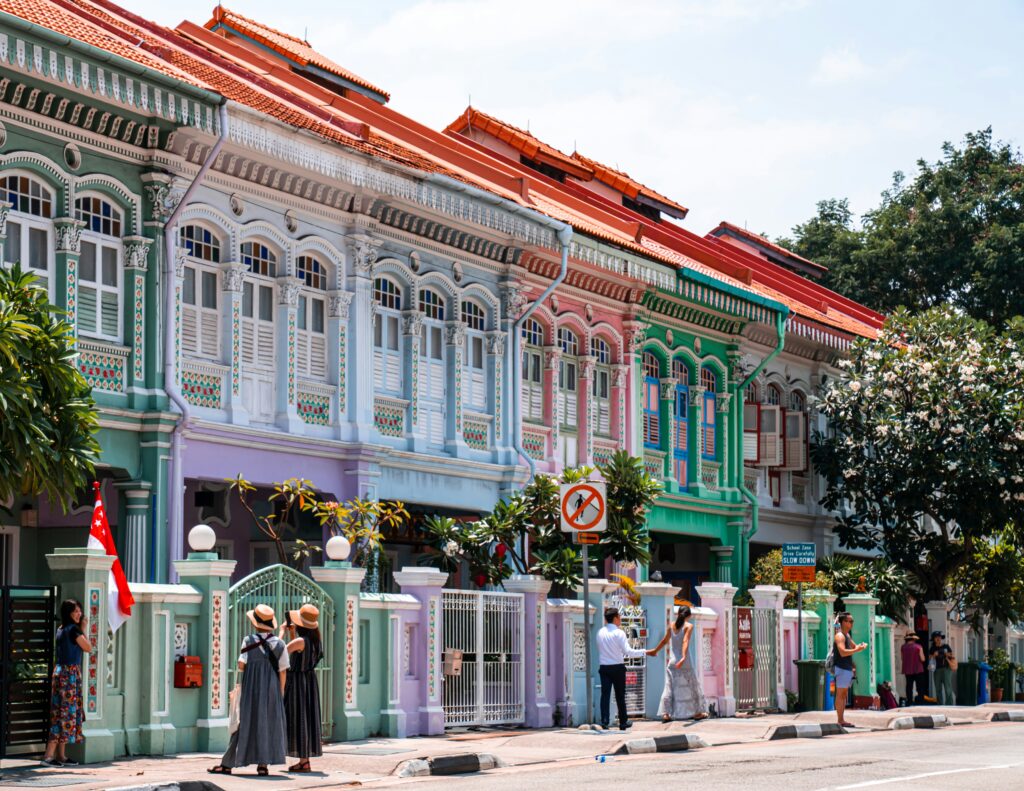
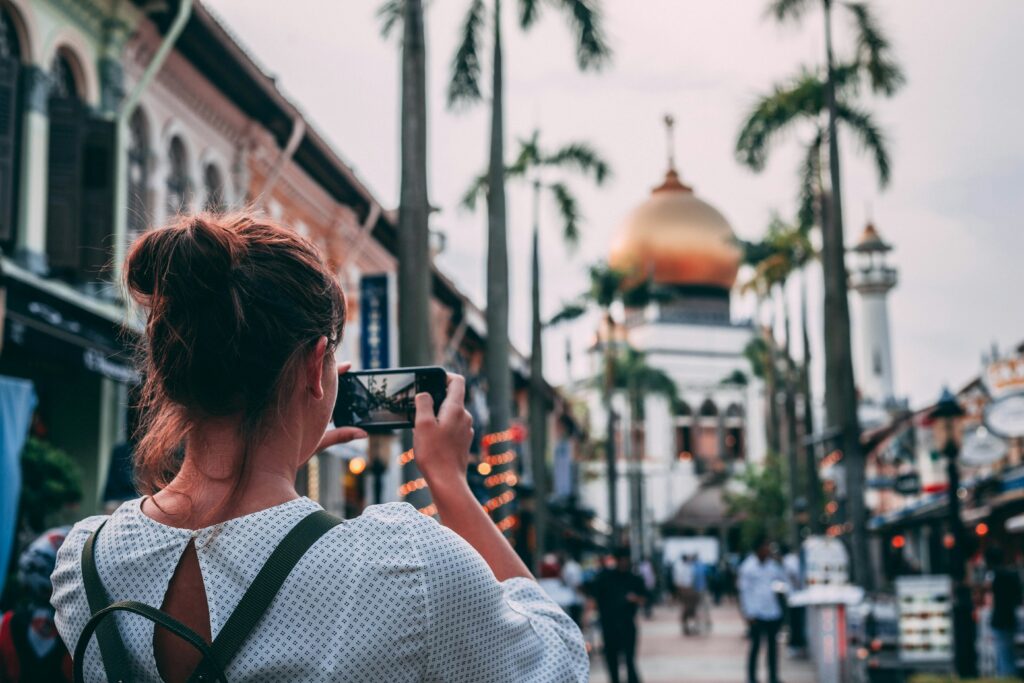
Not everything in the city is built new. Kampong Glam keeps its ground rather than reinventing it. The gold-domed Sultan Mosque (Masjid Sultan) anchors a quarter where Arab Street’s textile and rug shops still trade from the same low shopfronts they’ve occupied for decades, while Haji Lane, one block over, has become the city’s most concentrated stretch of independent boutiques and mural-covered walls. Singapore’s oldest housing estate does something similar a few kilometres south. Tiong Bahru is a genuinely intact piece of 1930s Streamline Moderne architecture, curved corners and horizontal lines built for tropical airflow, its horseshoe-shaped Block 78 the only one of its kind on the island, and it’s since become the city’s specialty coffee and indie bookshop district, anchored by Tiong Bahru Bakery’s croissants and the browsable, cat-resident shop Cat Socrates.
Practical Notes:
- Gardens by the Bay: 18 Marina Gardens Drive, Singapore 018953; outdoor gardens free, Flower Dome and Cloud Forest S$32 to S$46 for non-residents depending on combination; open 5am to 2am, conservatories 9am to 9pm, no booking required but pre-purchasing online avoids queues.
- National Gallery Singapore: 1 St Andrew’s Road, Singapore 178957; adult tickets from S$14, free for Singapore citizens and PRs; open daily 10am to 7pm, last entry 6.30pm, with extended hours some Friday to Sunday evenings; book timed-entry tickets online for special exhibitions.
- Sentosa Island: reached via the Sentosa Express monorail from VivoCity (S$4 island entry, covers monorail rides all day), the Singapore Cable Car Sky Pass (from around S$33), or free on foot via the Sentosa Boardwalk; Singapore Oceanarium tickets from S$50, Fort Siloso is free entry; the island bus and Beach Tram are free once you’re on Sentosa.
- Sultan Mosque (Masjid Sultan): 3 Muscat Street, Singapore 198833; free entry, donations welcome; open to visitors roughly 10am to noon and 2pm to 4pm daily except Friday, when prayer times restrict access between 11am and 2pm; modest dress required, robes provided at the door.
- Tiong Bahru heritage estate: centred on Seng Poh Road and Moh Guan Terrace, Singapore 168898 area; free to walk, no booking; best visited weekday mornings before the market crowds and midday heat build up.
Singapore Eats: Chicken Rice, Katong Laksa and Zi Char Claypots
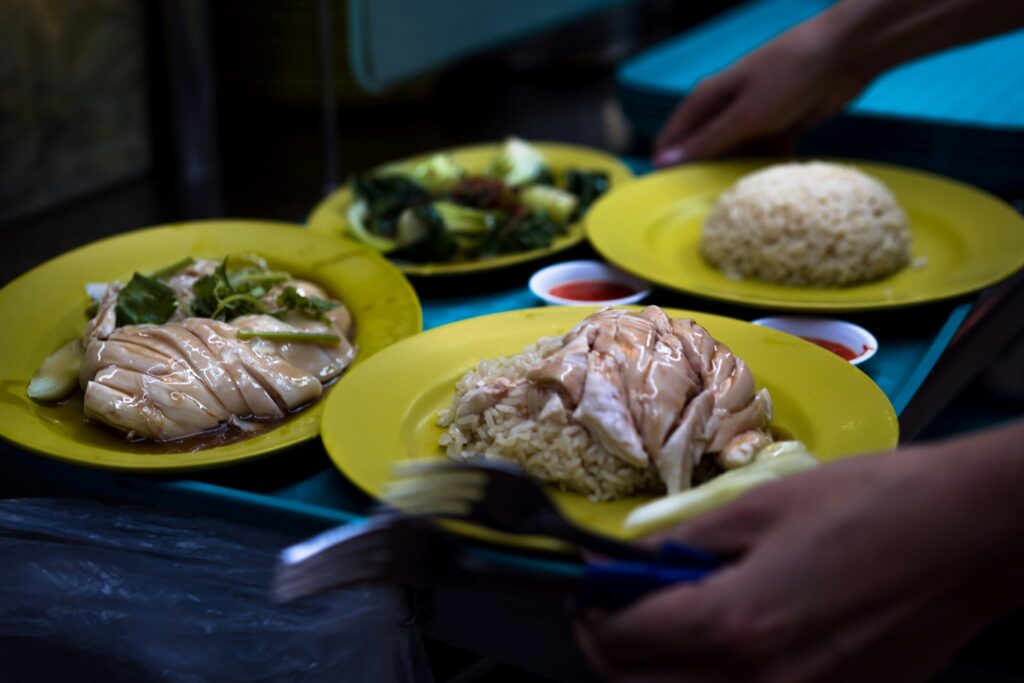
Ask a Singaporean where to eat and the answer rarely starts with a restaurant name, it starts with a dish and the one stall that does it properly. Chicken rice, for plenty of regulars, means Jew Kit Hainanese Chicken Rice, a Killiney Road institution built on the classic sous-vide method, chicken poached gently enough that a slick of collagen sets under the skin, rice cooked in the same stock so it tastes of chicken rather than just fat, and a chilli-ginger dip sharp enough to cut through both. For carrot cake, the answer is usually Kampong Carrot Cake (菜头粿) inside Tiong Bahru Market, which fries the black, soy-dark version of the dish over high heat until the edges char while the interior stays custardy, a contrast the paler steamed version never quite manages, and it reliably sells out well before its stall shutters for the day.
Laksa splits the city by neighbourhood as much as by recipe, and the clearest way to taste that is to put 328 Katong Laksa, on East Coast Road since 1998, side by side with the curry laksa served in coffeeshops everywhere else on the island. Both start from the same base, a coconut-rich curry broth built on dried shrimp and spice paste, thick rice vermicelli, prawns, fish cake, cockles, and a spoon of fermented taucheo, but Katong laksa’s defining trait is that its noodles are cut into short lengths so the entire bowl can be eaten with a spoon alone, no chopsticks or fork required, a format said to have started so Katong’s rickshaw pullers could eat one-handed between fares. Generic Singapore laksa, the version found in most hawker centres, keeps its noodles long and its gravy thinner and more sambal-forward; 328’s version leans thicker, sweeter, and more insistently coconut. It’s less a hierarchy than a dialect difference, and ordering both back to back, ideally within the same day, is the fastest way to hear it.
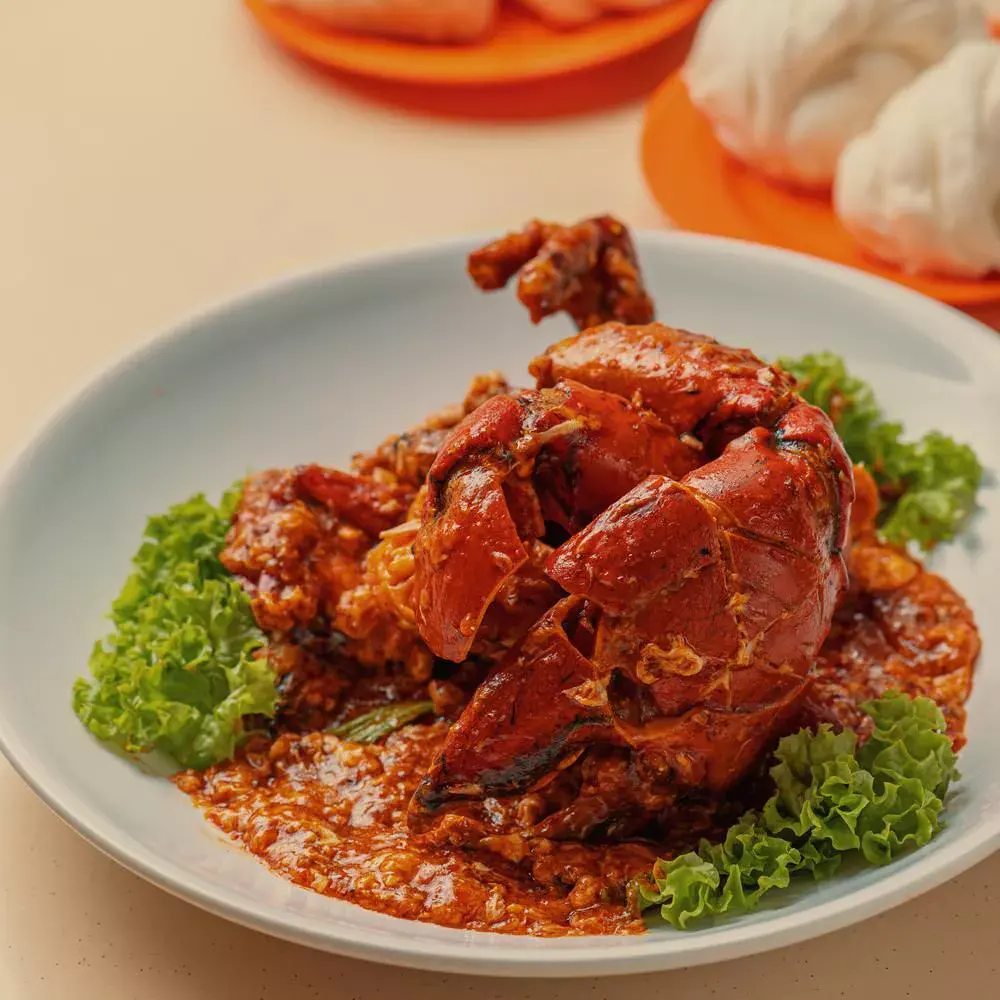
Where Jew Kit, Kampong Carrot Cake, and 328 Katong Laksa represent the hawker register at its purest, Keng Eng Kee Seafood (琼荣记海鲜) shows what happens when that same energy gets a wine list and a Michelin Bib Gourmand. Running since the 1970s and now spread across two blocks in Alexandra Village, its Moonlight Horfun, flat noodles finished with a raw egg cracked table side into dark sweet sauce, has drawn everyone from Anthony Bourdain to the Netflix Street Food crew, but regulars will tell you the claypot pig liver quietly steals the table, thin slices fried fast with ginger and scallion so the liver stays pink in the centre, then rested in a sizzling claypot until the rice underneath crisps against the sauce. Seafood done two very different upscale ways rounds out this next step up from the coffeeshop.
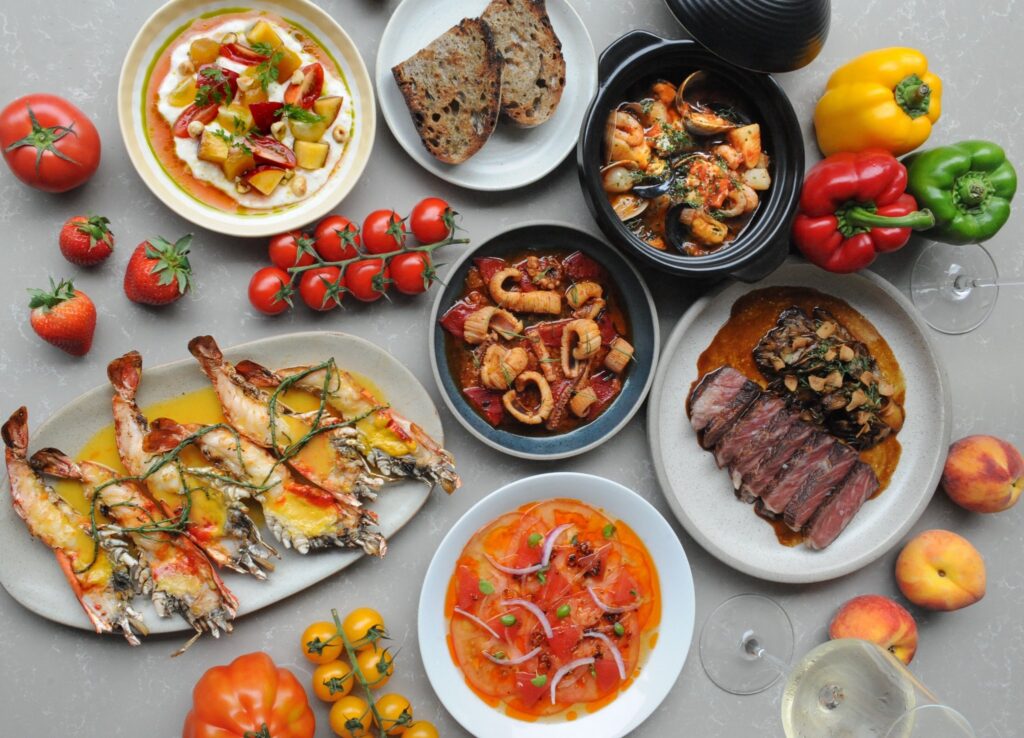
Humpback is a seafood-focused restaurant and oyster bar from the Jigger & Pony Group, its entire menu built around a rotating list of Pacific Northwest oysters shucked to order and other catch finished with European technique and Japanese touches. Kotuwa, chef Rishi Naleendra’s Sri Lankan project now settled into the New Bahru complex, works the same big-shared-plate, shellfish-forward instinct from a different angle, its crab curries cooked low and dark in a blend of roasted Sri Lankan spices widely considered the most convincing upscale Sri Lankan food on the island.
Practical Notes:
- Jew Kit Hainanese Chicken Rice: 105 Killiney Road, Singapore 239546; S$5 to S$15 per set depending on portion; walk-in only, open until midnight, quietest outside the 12pm to 1.30pm lunch rush.
- Kampong Carrot Cake: Tiong Bahru Market, 30 Seng Poh Road #02-53, Singapore 168898; under S$5 per plate; cash-friendly hawker stall, no booking, arrive before 11am as it regularly sells out ahead of its roughly 2pm close.
- 328 Katong Laksa: 51 East Coast Road, Singapore 428770; S$6 to S$8 per bowl; walk-in only, cash-friendly, expect a queue at weekend lunch.
- Keng Eng Kee Seafood: Blk 124 Bukit Merah Lane 1 #01-136, Singapore 150124; S$15 to S$30 per person for a shared zi char meal; booking strongly recommended for dinner, especially weekends.
- Humpback: 18 Bukit Pasoh Road, Singapore 089832; mains S$27 to S$38, roughly S$60 to S$80 per person with sides and drinks; open Mon, Wed to Fri 5pm to 11pm, Sat noon to 11pm, Sun noon to 9pm, closed Tuesday; reservations recommended.
- Kotuwa: 46 Kim Yam Road #01-03, New Bahru, Singapore 239351; mains S$22 to S$68, roughly S$60 to S$90 per person; reservations recommended, especially for weekend dinner.
Michelin Singapore Stars: French, British and Italian Imports
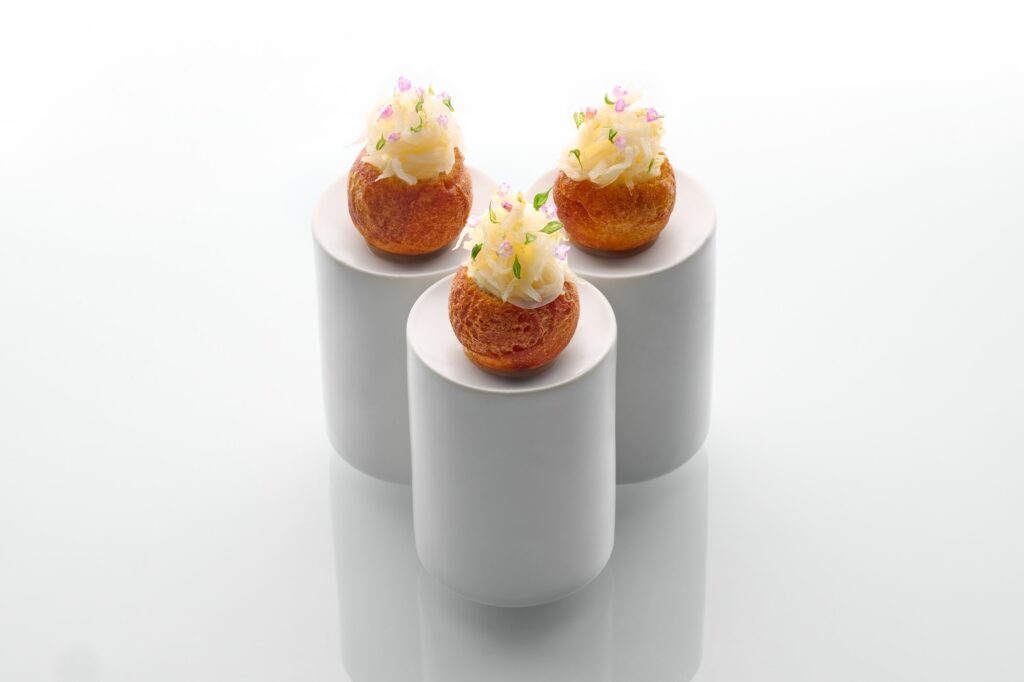
Singapore’s fine dining scene splits cleanly into two lineages, and the first is the European transplant, chefs who’ve built their reputations elsewhere and brought a fully formed technique to the tropics. Three Michelin stars still belong to Odette, chef Julien Royer’s benchmark for modern French cooking threaded with Asian ingredients. The menu draws on ingredients flown in from Royer’s own network of small French producers, worked alongside local seafood and produce, in a room refreshed since its late-2025 reopening inside the National Gallery. Sixty floors up, at the top of Swissôtel The Stamford, Jaan by Kirk Westaway applies the same rigor to modern British cooking, threading childhood-memory dishes like a reworked treacle tart or a Cornish crab course into a tasting menu delivered with a view over the Padang that few dining rooms in the world can match.
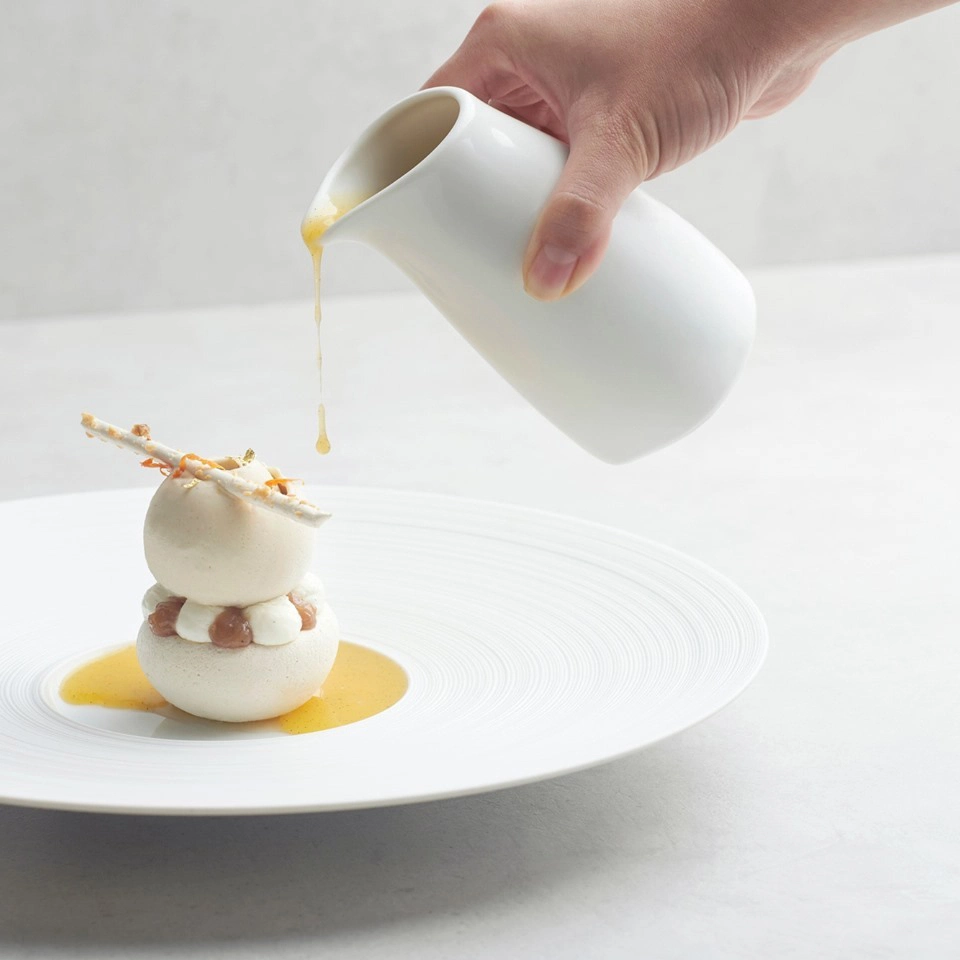
Two newer arrivals extend that European lineage without matching it star for star, at least not yet. Puglian chef Mirko Febbrile treats Italian regional cooking as raw material for something more theatrical at Somma, set inside a converted 1930s school library at New Bahru. Expect a ceremonial opening at the kitchen counter, live-fire technique carried over from his time at Michelin-starred Braci, and a 750-label wine list organised by mood rather than region. Somma holds Michelin Selected status without a star as of the 2025 guide. Dutch chef Sergio Herman’s first Southeast Asian outpost, Le Pristine, carries the same New Italian sensibility that earned his Antwerp original a star within its first year, and does something few fine-dining kitchens attempt, a Sunday brunch that reworks the buffet format into a staffed, plated a la carte spread rather than a self-service one. Neither restaurant has been rated by Michelin here yet; the 2026 guide, due 4 August, falls after this piece’s publication, so all star counts above reflect the 2025 edition.
Practical Notes:
- Odette: 1 St Andrew’s Road, National Gallery Singapore, Supreme Court Wing #01-04, Singapore 178957; tasting menus S$368 to S$498 per person before drinks; book 30 days ahead via the restaurant’s website, S$200 per person deposit required.
- Jaan by Kirk Westaway: 2 Stamford Road, Level 70, Swissôtel The Stamford, Singapore 178882; tasting menu S$388, shorter lunch menus from S$198; reservations essential, book several weeks ahead for weekend dinner.
- Somma: 46 Kim Yam Road #04-02, New Bahru, Singapore 239351; tasting menu pricing available on request via the restaurant’s site, expect S$200 plus per person; book online, especially for weekend seatings.
- Le Pristine: Grand Hyatt Singapore, 10 Scotts Road, Singapore 228211; a la carte and tasting menus expect S$150 to S$300 per person, Sunday brunch buffet around S$138++ per person; reservations recommended given the hotel’s recent reopening and demand for new tables.
Singapore Reinvented: Chilli Crab, Cantonese and Sri Lankan Tasting Menus
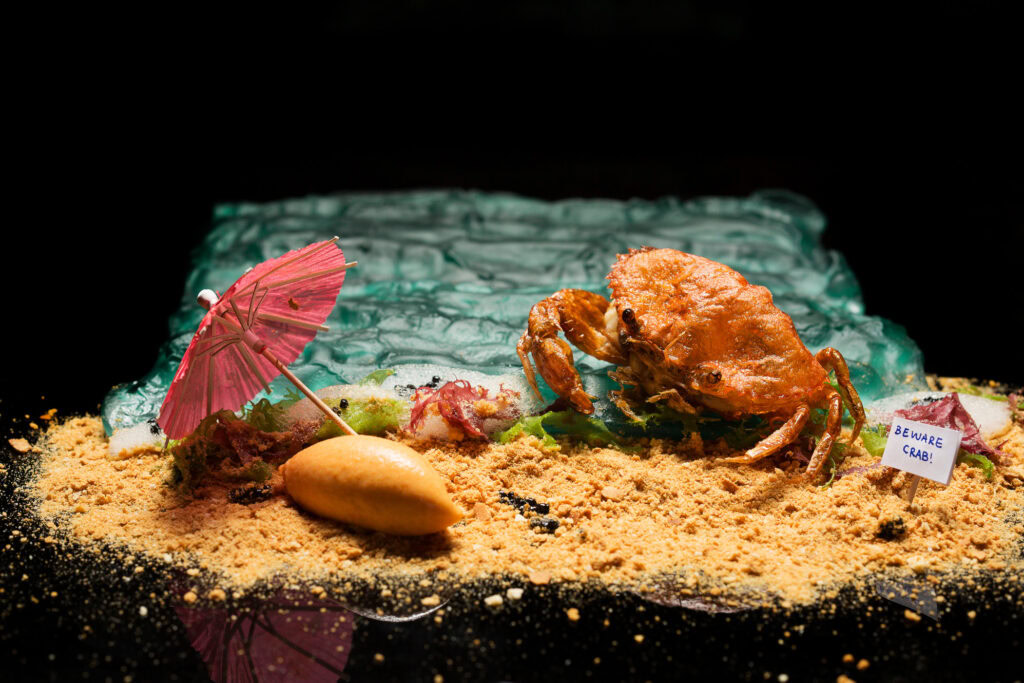
The second lineage runs the opposite direction, chefs using Michelin-grade technique to excavate Singaporean and regional identity rather than import a foreign one. Chef LG Han has spent a decade doing exactly that at Labyrinth, his one-star dining room at Esplanade Mall, reworking chilli crab into a dessert course and chicken rice into a donabe centrepiece, treating hawker dishes as source material rather than nostalgia. Inside the 1903 Jinrikisha Station rickshaw depot on Neil Road, chef Zor Tan’s Born does something structurally similar with a nine-course menu built around his own life story, French technique folded into Chinese cooking beneath a glowing double-arch ceiling and a suspended paper sculpture, earning a Michelin star and a spot on Asia’s 50 Best within its first year of opening. A few doors down, Nouri widens the lens further. Chef Ivan Brehm’s one-star “crossroads cooking” restaurant builds menus around the argument that ingredients and techniques have always migrated between cuisines, with counter seating at a marble table that puts diners a few feet from the pass.
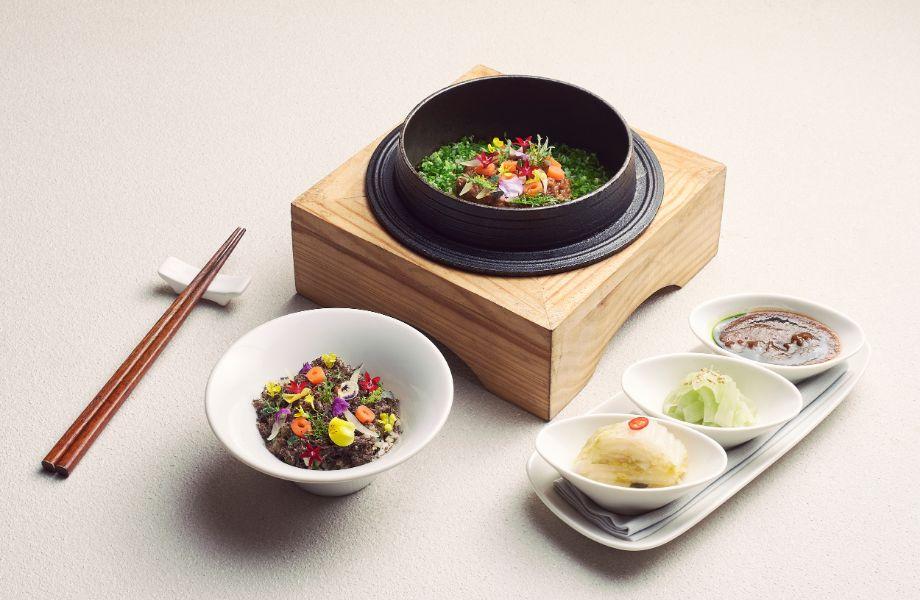
Two more restaurants complete the picture from opposite ends of the region. Reopened in 2025 with a modern hanok-inspired room, Nae:um treats contemporary Seoul cooking the way Odette treats France, refined Western technique layered onto Korean heritage flavors and chef Louis Han’s own childhood memories, and holds one star of its own. Cantonese cooking gets the same treatment at Peach Blossoms, where chef Edward Chong reworks double-boiled soups and roast meats with a modern, lighter hand, enough to earn both a Michelin star and a Black Pearl Guide diamond. And Sri Lankan flavour finds its most ambitious local expression at Cloudstreet, where chef Rishi Naleendra folds his own upbringing into an ever-evolving two-star tasting menu that mixes Australian and European technique with the spice work of his childhood, one of the most talked-about seats in the city since it opened in 2022.
Practical Notes:
- Labyrinth: Esplanade Mall #02-23, 8 Raffles Avenue, Singapore 039802; lunch S$208, dinner S$298; open Wed to Sun, closed Mon and Tue, book several weeks ahead.
- Born: #01-01, 1 Neil Road, Singapore 088804; eight-course dinner S$368, five-course dinner S$288 (Tue to Thu), five-course lunch S$288 (Fri only); reservations essential, book well ahead given its Asia’s 50 Best profile.
- Nouri: 72 Amoy Street, Singapore 069891; lunch tasting from S$168, dinner tasting priced on request; book online several weeks ahead for dinner.
- Nae:um: 161 Telok Ayer Street, Singapore 068615; tasting menu S$258; reservations recommended two to three weeks ahead.
- Peach Blossoms: Level 5, PARKROYAL COLLECTION Marina Bay, 6 Raffles Boulevard, Singapore 039594; lunch sets from S$108, dinner tasting S$208 to S$248; booking recommended, walk-ins possible on weekdays.
- Cloudstreet: 84 Amoy Street, Singapore 069903; dinner tasting S$398, Friday and Saturday lunch S$248 to S$398; book at least a month ahead, this is one of the hardest tables in the city.
Singapore Nightlife: Cocktails, the World’s 50 Best Bars and the Singapore Cocktail Crossover
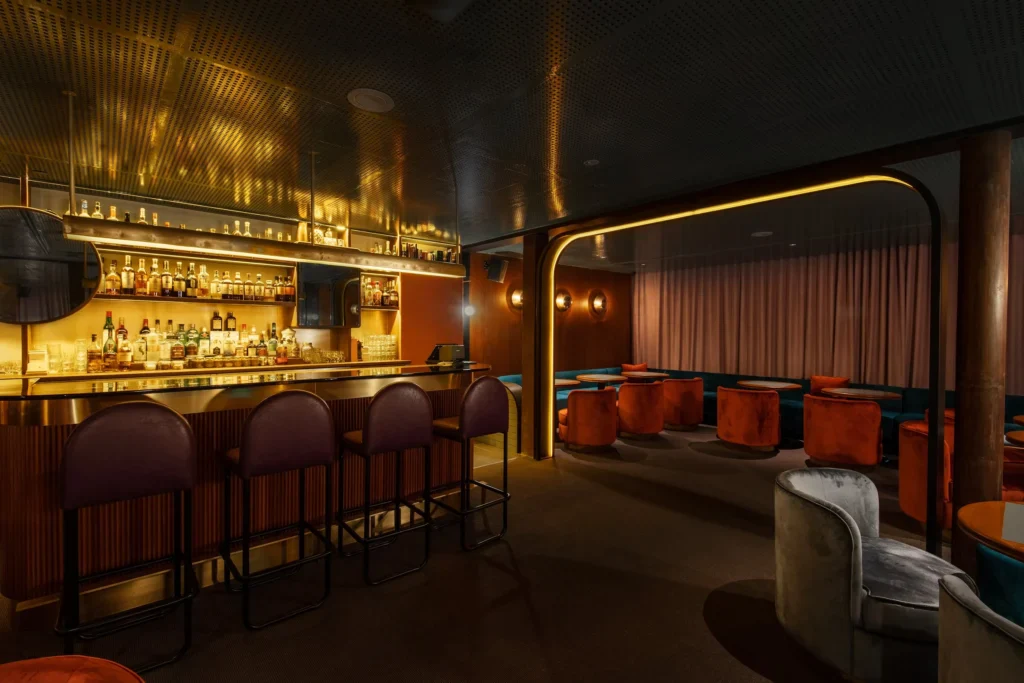
Bukit Pasoh Road and the streets around it belong, in large part, to one company. Ranked ninth in the World’s 50 Best Bars 2025, Jigger & Pony remains the anchor out of the Amara Hotel. Its cocktail programme rotates seasonally around a house philosophy of classic technique and rigorous sourcing, service is drilled to a near-military standard, and it’s the reason the surrounding blocks now hold half a dozen related concepts. Its Ginza-inspired sister bar, Live Twice, strips the room down to mid-century Japanese minimalism and pours from a shorter, more serious list built for slow sipping over social hopping. The group’s most playful outpost, BOP (Bartenders of Pony), is a Korean-inflected bar from bartender Uno Jang built around soju bombs, dalgona-topped cocktails, and fried chicken meant to be shared loudly. Tucked above Cecil Street, Pop City leans into Japanese City Pop nostalgia with hojicha, dashi, and yuzu worked into drinks split into a “Pop” menu (spirited and playful) and a “City” menu (sleek and stylish).
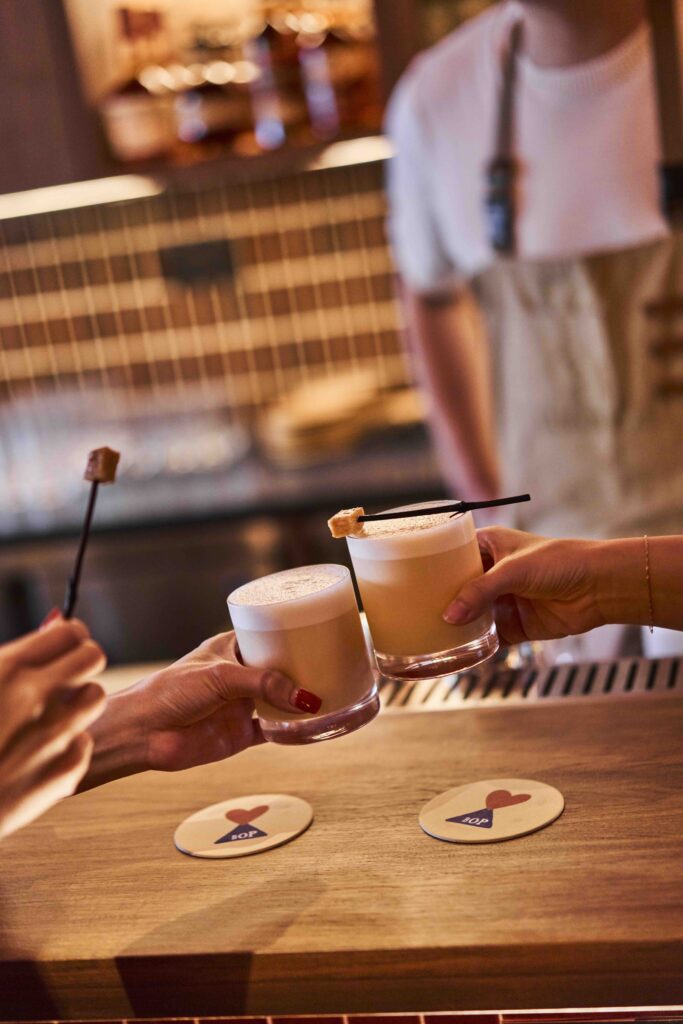
The independent scene around that cluster holds its own on rankings and range, and increasingly on home turf too. Offtrack pairs a tight cult-classics cocktail list with Pan-Asian food and a music-first booking policy, and placed No. 23 on Asia’s 50 Best Bars 2025. Three storeys on Amoy Street, Native has built its reputation on zero-waste, hyper-local sourcing since 2016, a restaurant on the ground floor, a bar above it, and a fermentation lab on top. A 22-seat speakeasy styled after Edward Hopper’s painting, Nighthawk placed No. 16 on Asia’s 50 Best Bars 2024 for its riffs on the Manhattan and the espresso martini built with bespoke syrups, while Stay Gold Flamingo, a dual coffee-bar-by-day, cocktail-bar-by-night concept, trades ranked-list polish for a rock-and-roll, community-bar feel behind its velvet-curtained back room. Milli Lounge, the National Gallery’s sprawling rooftop lounge from chef LG Han and bartender Vijay Mudaliar, closes out the night with a skyline view few of the shophouse bars can offer.
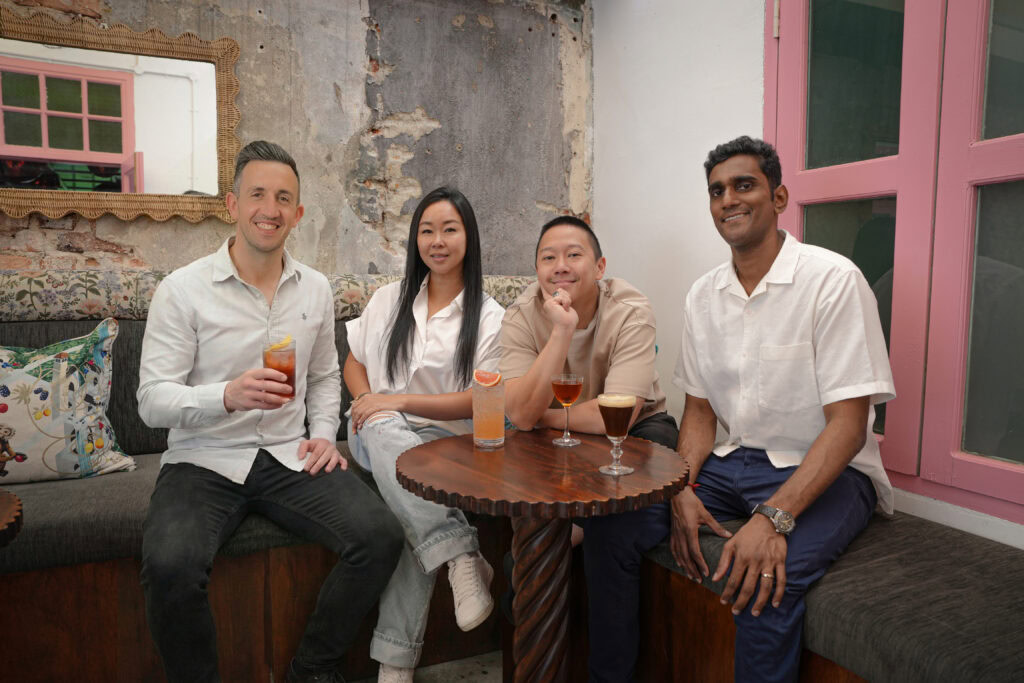
That local-versus-international tension came to a head in June 2026, when Native’s Vijay Mudaliar and Nighthawk’s Peter Chua co-founded Singapore Cocktail Crossover (SGCX), a six-day citywide festival that brought guest shifts and takeovers from more than fifteen internationally ranked bars, including Hong Kong’s Bar Leone and Barcelona’s Paradiso, into Bugis, Tanjong Pagar, Amoy Street, and Robertson Quay before closing out with a festival weekend at Mett in Fort Canning. Its inaugural SGCX 30 Best Bars list, voted on by a local industry academy, named Offtrack, BOP, and Jigger & Pony among its top five, alongside newcomer Side Door, a homegrown counterpoint to the international rankings that otherwise dominate how the city’s bars get talked about.
Practical Notes:
- Jigger & Pony: 165 Tanjong Pagar Road, Amara Hotel, Singapore 088539; cocktails from S$28; reservations recommended, especially weekend evenings given its 50 Best ranking.
- Live Twice: 20 Bukit Pasoh Road, Singapore 089834; cocktails from S$28; open Sun to Tue 6pm to midnight, Wed and Thu until 1am, Fri and Sat until 2am; happy hour 6pm to 8pm daily.
- BOP (Bartenders of Pony): 76 Tras Street, Singapore 079015; cocktails a flat S$23; walk-ins welcome, reservations advised on weekends.
- Pop City: 19 Cecil Street, Level 2, Singapore 049704; cocktails from S$24; open Tue to Sat 5.30pm to midnight, happy hour 5.30pm to 8pm.
- Offtrack: 34 North Canal Road, Singapore 059292; cocktails around S$22; open Mon to Thu 6pm to midnight, Fri and Sat 5pm to 1am, reservations recommended.
- Native: 52 Amoy Street, Singapore 069878; cocktails from S$17; walk-ins possible, reservations advised on weekend nights.
- Nighthawk: 43 Tanjong Pagar Road #01-02, Singapore 088464; cocktails from S$25; open Mon to Thu 5.30pm to midnight, Fri and Sat until 1am, book ahead for the 22-seat room.
- Stay Gold Flamingo: 69 Amoy Street, Singapore 069888; cocktails a flat S$26; walk-ins fine early evening, reservations advised after 9pm.
- Milli Lounge: National Gallery Singapore, 1 St Andrew’s Road, Level 5 and 6, Singapore 178957; cocktails from S$26; reservations recommended, particularly for sunset seating.
- Singapore Cocktail Crossover (SGCX): citywide across Bugis, Tanjong Pagar, Amoy Street, and Robertson Quay, with a festival weekend at Mett in Fort Canning; free to wander, individual guest-shift and takeover tickets vary by event; next edition dates unconfirmed at time of writing, check sgcx.sg.
Singapore Hotels: Fort Canning, Bugis and Orchard Road
Where you sleep in Singapore says as much about your trip as where you eat. Mett, a boutique 84-room hotel inside Fort Canning Park, reopened in October 2025 in what was formerly Hotel Fort Canning, trading scale for setting, hilltop, colonial-era architecture, and a quiet green buffer around Orchard Road’s shopping district without sitting inside it; its grounds hosted the festival weekend of the inaugural Singapore Cocktail Crossover in June 2026, a sign of how quickly it’s become part of the city’s cultural circuit rather than just a place to sleep. Frasers House, a Luxury Collection Hotel is the opposite bet, a 30-year Bugis institution that operated for decades as the InterContinental Singapore before Frasers Hospitality moved the property to Marriott’s Luxury Collection in January 2026, layering Peranakan-inspired design into a building locals already knew by a different name. The scale play belongs to Grand Hyatt Singapore, 699 rooms across two wings, fully reopened in August 2025 after a renovation that closed the property for nearly two years, now positioned as much around wellness and garden space as around its Orchard Road address, with Le Pristine as its dining anchor.
Practical Notes:
- Mett: 11 Canning Walk, Singapore 178881; entry rates typically from around S$330 to S$450 per night, rising for suites, based on current OTA listings; book direct or through major OTAs, request a park-view room for the hilltop setting.
- Frasers House, a Luxury Collection Hotel: 80 Middle Road, Singapore 188966; the hotel’s own Signature Stay package starts at S$499 per room per night, with standard rates ranging higher for suites; book via Marriott Bonvoy for status benefits, the property is mid-refresh through 2027 so ask about renovated wings at booking.
- Grand Hyatt Singapore: 10 Scotts Road, Singapore 228211; entry rates typically from around S$400 to S$480 per night based on current listings, rising for Terrace Wing and suite categories; book via World of Hyatt, Terrace Wing rooms offer a more resort-like, garden-facing stay than the Grand Wing.
Frequently Asked Questions
How many days do you need in Singapore?
Three full days covers the essentials, one for Marina Bay, Gardens by the Bay, and National Gallery Singapore, one for a heritage district like Kampong Glam or Tiong Bahru paired with hawker eating, and one built around a fine-dining or bar-hopping evening. Add a fourth day for Sentosa or a Pulau Ubin day trip.
What is the best area to stay in Singapore?
Tanjong Pagar and the surrounding Chinatown-Amoy Street corridor put you within walking distance of most of the restaurants and bars in this guide, plus MRT access to everywhere else. Orchard Road suits shoppers and those prioritising hotel scale, while Bugis and Kampong Glam suit travellers who want heritage streets outside their hotel door.
Is Gardens by the Bay worth visiting?
Yes, though the paid attractions (Flower Dome, Cloud Forest, Skyway) matter more than the free outdoor gardens for a first-time visitor. Go around 6pm to catch daylight, sunset, and the evening light show over Marina Bay in one visit, and pair it with National Gallery Singapore, a ten-minute walk away, earlier in the day.
Is Sentosa worth a day trip from Singapore?
Yes, treated as a half-day rather than a full one. The Singapore Oceanarium and Fort Siloso’s WWII tunnels and Surrender Chambers justify the trip alone, and walking in via the free Sentosa Boardwalk avoids the island’s entry charge. Skip it if beach clubs and theme parks don’t interest you; the mainland has plenty else to fill that half-day instead.
Do restaurants in Singapore require advance booking?
Yes, for anything in this guide’s fine-dining sections. Restaurants like Odette, Born, and Cloudstreet book out weeks ahead, especially for weekend dinners, and several require deposits. Hawker stalls and casual eateries are walk-in only, but arrive before the lunch rush or before stock runs out for popular items.
Is Singapore’s cocktail bar scene worth building a night around?
Yes. Singapore holds more World’s 50 Best and Asia’s 50 Best Bars entries than almost any city in the region, concentrated around Amoy Street, Bukit Pasoh Road, and Tras Street, all walkable from one another, and its homegrown Singapore Cocktail Crossover festival, launched in 2026, add a local layer worth following too.
What is the best way to get around Singapore?
The MRT covers most of this guide’s neighbourhoods directly and is the fastest option during peak hours; get an EZ-Link card or use contactless payment at the gates. Grab (the regional ride-hailing app) covers everything else, including late-night transit between bars, and most hotels can arrange a private chauffeur for a full day of sightseeing.
Back on Amoy Street, past midnight now, the zi char stall has closed its shutters and the tasting menu three doors down is still seating its last cover, while upstairs a bartender pours something involving hojicha to a couple who walked over from dinner at Nouri. Nothing about that sequence reads as strange to anyone who lives here, because it isn’t. Singapore never asked its hawker centres to get out of the way of its ambitions, it just built the ambitions on the same block. That compression, five streets holding every register the city has to offer, is the through-line of this guide and the reason a single evening here can move from a hawker plate of chicken rice to a ranked cocktail bar without ever changing postal code.
Note: Hours, prices, and reservation policies change frequently in Singapore’s fast-moving dining and bar scene, and should be confirmed directly with each venue before visiting, particularly for newly opened, recently rebranded, or not yet Michelin-rated venues flagged above.