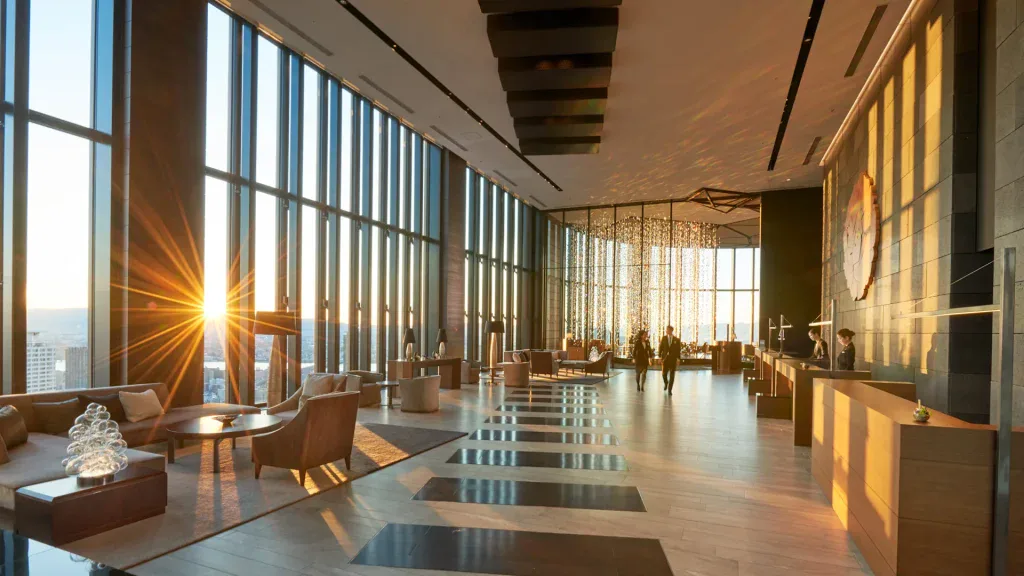
January is when travel decisions become less about novelty and more about how well a hotel supports the body after long flights, packed itineraries, and heavy eating. Cooler temperatures across North and Southeast Asia change the rhythm of travel, making sleep quality, spa access, and dependable dining far more valuable than rooftop drama or trend-driven concepts. Hanoi and Xiamen settle into dry, crisp conditions, Bengaluru becomes comfortably mild, Bangkok is at its most breathable, Shenzhen loses its humidity, and Osaka’s winter chill sharpens the need for proper recovery. These picks reflect that shift, favouring hotels where comfort is engineered deliberately and where food, drink, and wellness justify staying in rather than pushing out.
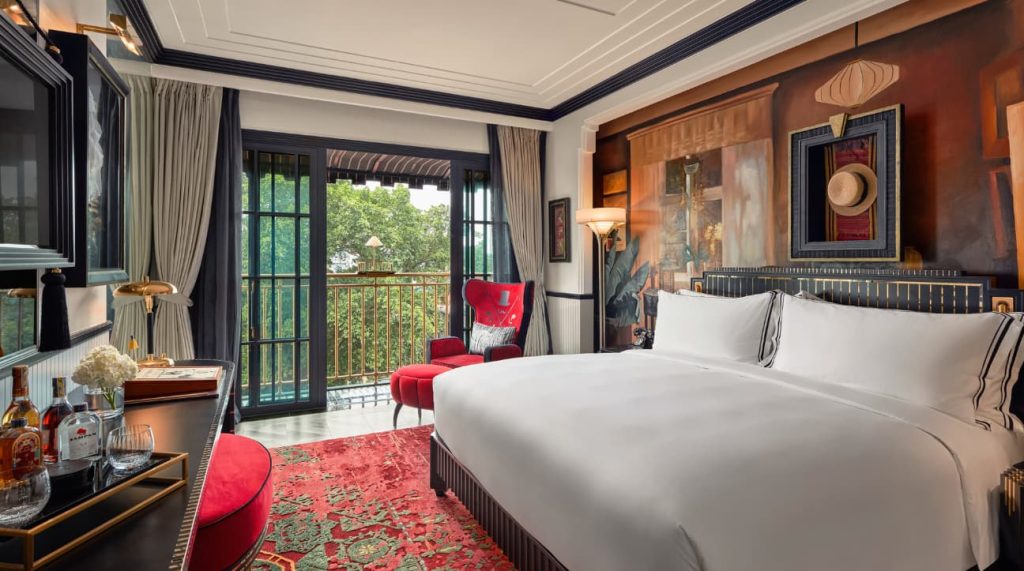
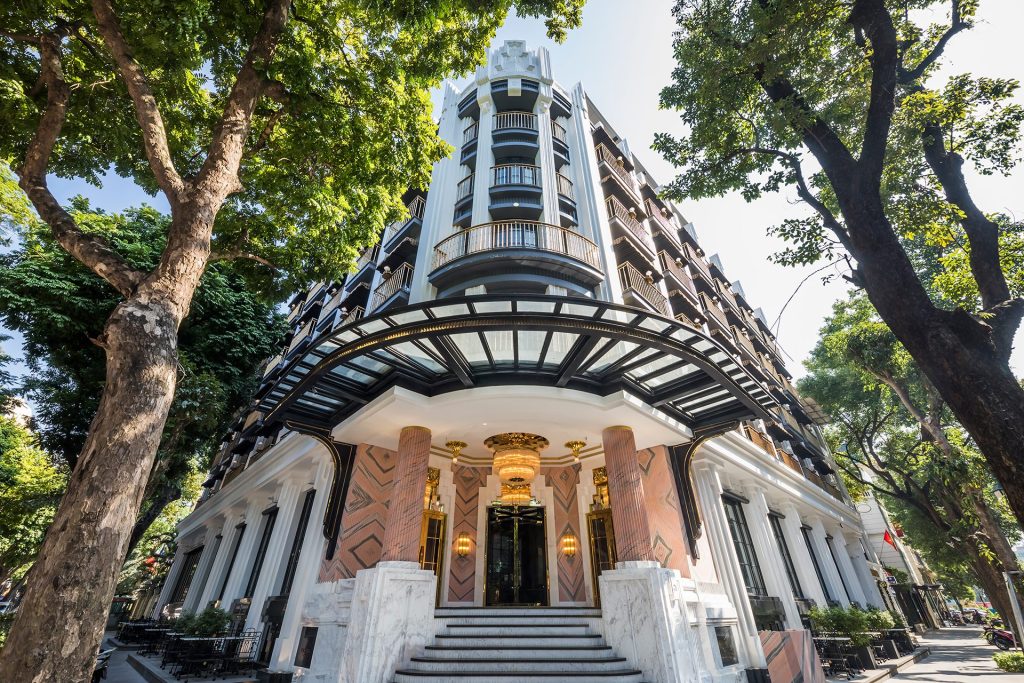
Capella Hanoi
Where social spaces give the hotel its rhythm.
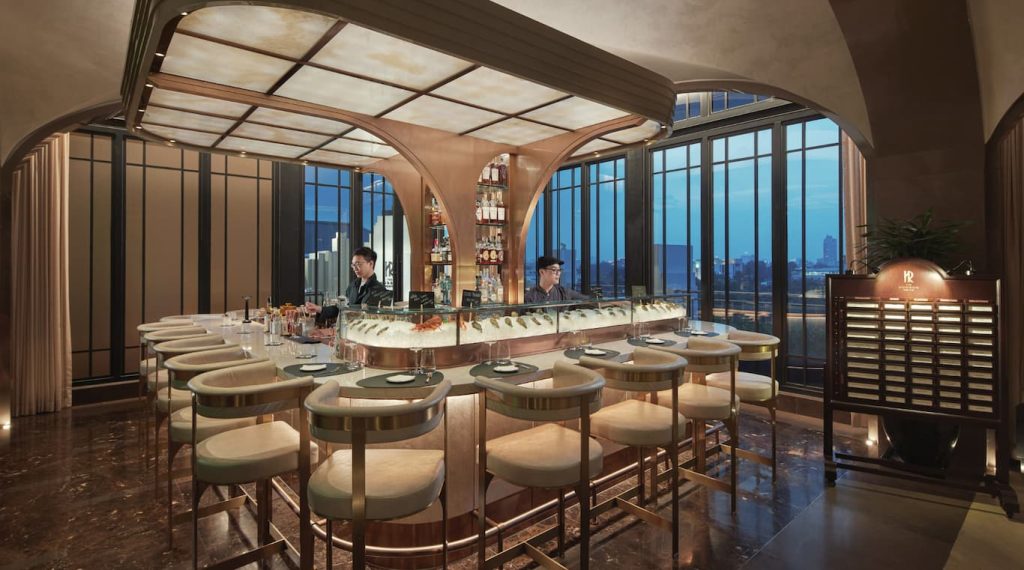
January suits this property particularly well, as cooler evenings encourage guests to slow down and use the hotel as a destination rather than a base. The bar becomes a natural landing point after time in the Old Quarter, operating with a classic, measured approach that favours balance over experimentation. It is confident without being showy, and works best when visits are unhurried. The Sunday brunch introduces a different energy, pairing indulgent pacing with disciplined execution and a live band that keeps the room engaged rather than distracted. The crowd extends beyond in-house guests, giving the experience credibility and momentum. This is a stay that rewards lingering, especially for travellers who treat food and drink as anchors to the day rather than optional extras.
Highlights: Hudson Rooms for its ambience and assured cocktails, speakeasy Track 61 and the Sunday champagne brunch with free-flow oysters and a live band that takes requests.
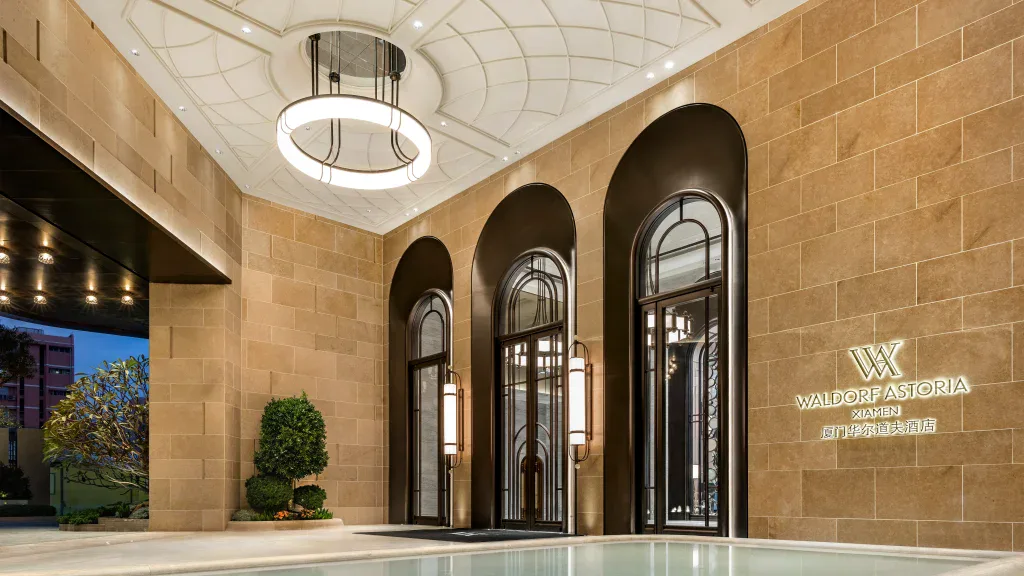
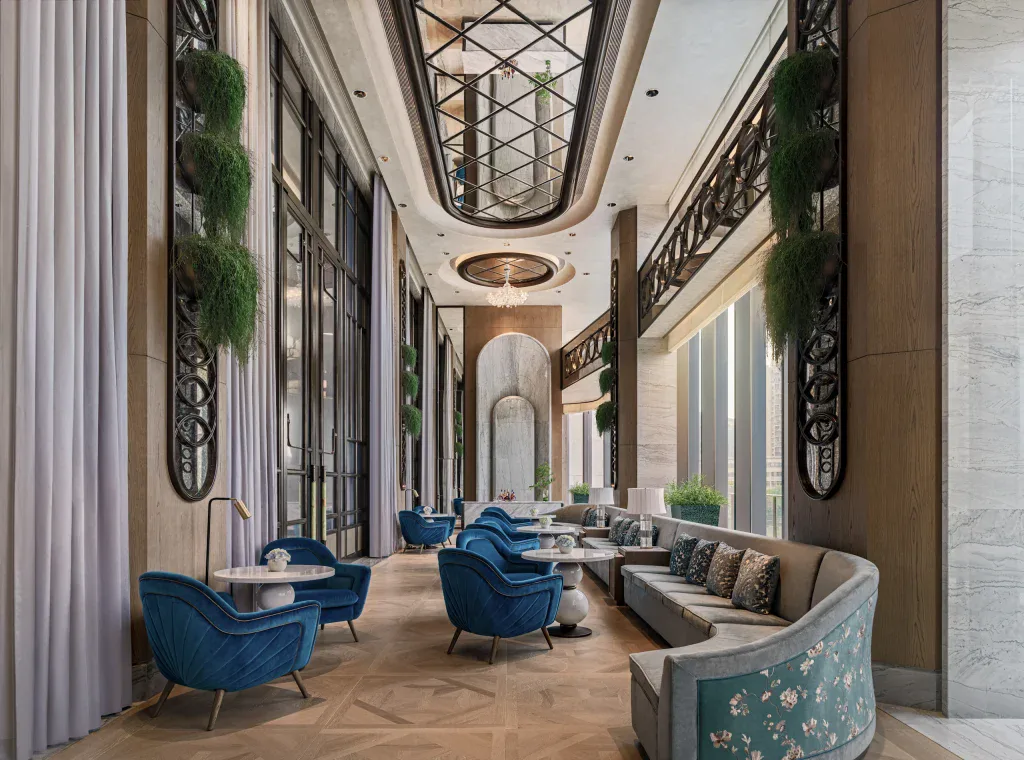
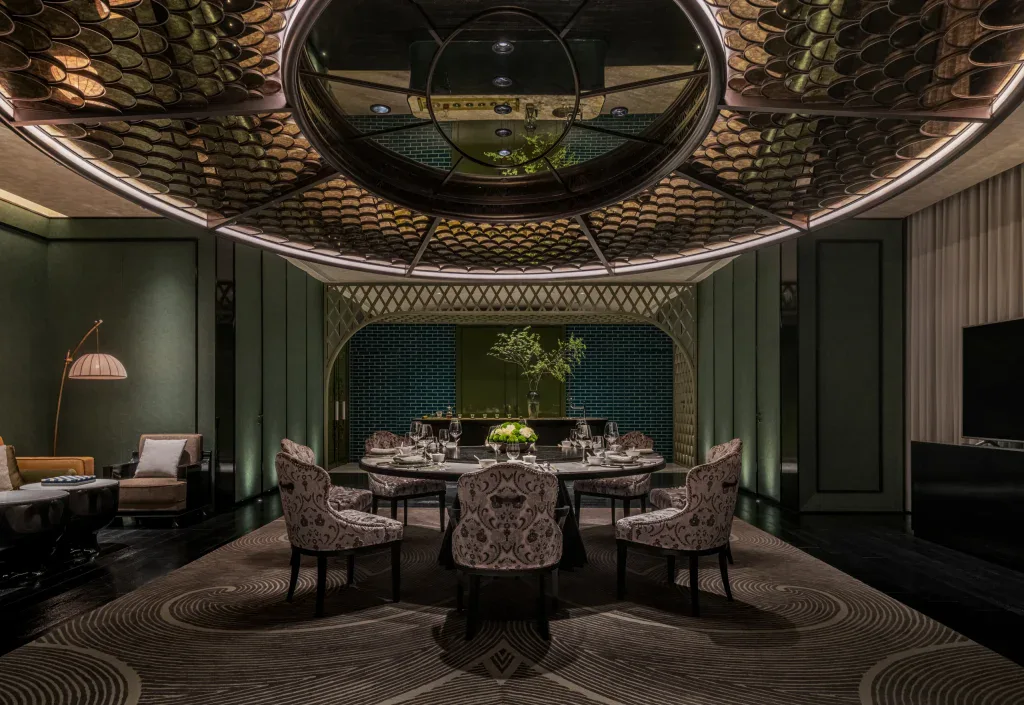
Waldorf Astoria Xiamen
A calm dining-led stay overlooking the water.
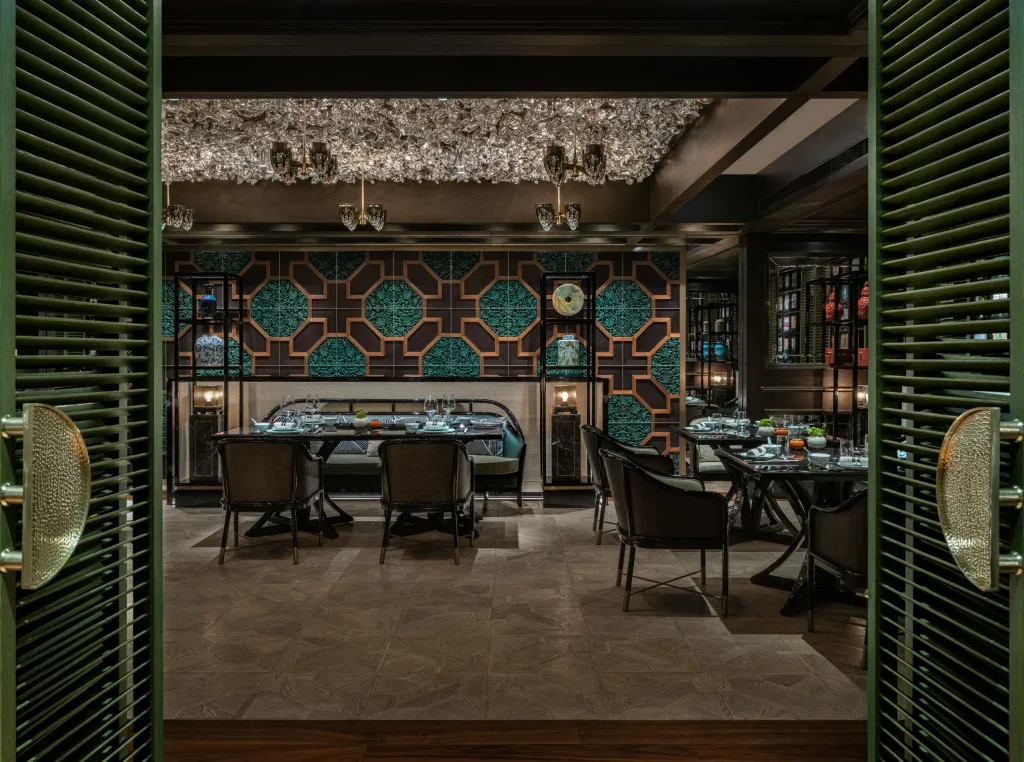
January is one of the best times to be in Xiamen, with cooler coastal weather making dining-focused stays more appealing, and this property leans fully into that strength. Hokklo becomes the centre of the experience, prioritising Hokkien cuisine clarity, comfort, and consistency rather than culinary theatrics. Dishes are designed to satisfy without fatigue, allowing meals to stretch naturally, supported by polished service that keeps the pace relaxed and controlled. The setting encourages longer sittings, which suits travellers looking to retreat from the city without disengaging entirely. There is little attempt to impress through excess, and that restraint becomes its appeal during winter travel. It is a hotel that offers reassurance through reliability, making it easy to settle in for a quieter, food-led stay.
Highlights: Hokklo for refined Hokkien cuisine restaurant and the speakeasy bar that makes decent martinis.
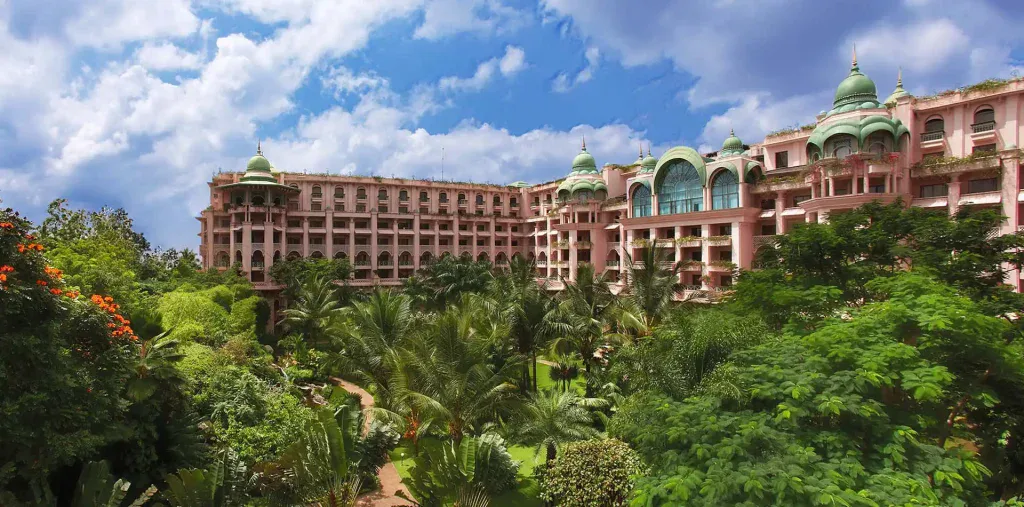
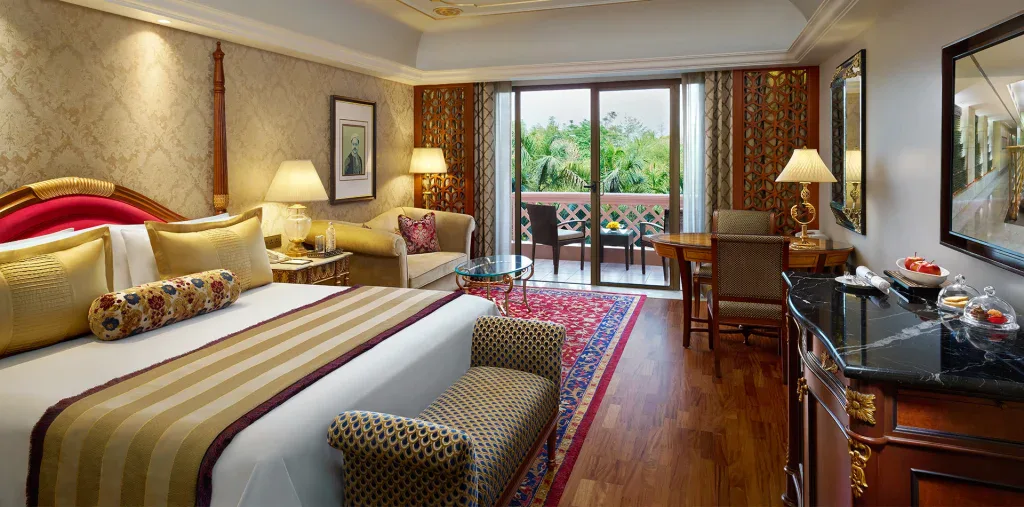
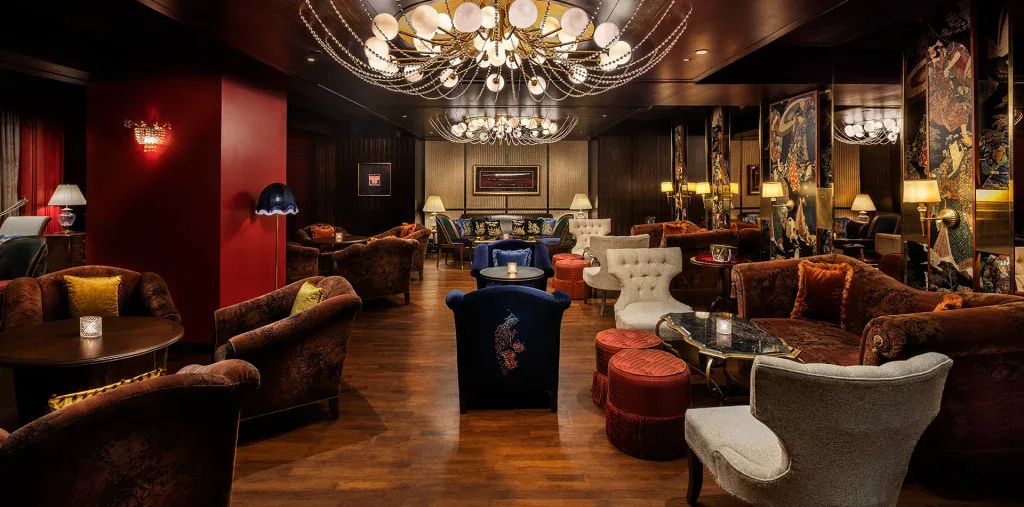
The Leela Palace Bengaluru
A restorative pause in a high-energy city.
Bengaluru’s January weather is mild and forgiving, and this is when the hotel’s spa-led appeal makes the most sense. Jamavar offers northern Indian cuisine while Japanese cocktails at speakeasy ZLB23 makes you feel like you don’t need to leave the place. Recovery is treated as a priority rather than a side benefit, with treatments focused on precision, pressure, and outcome instead of indulgent spectacle. This makes time spent here feel complete rather than squeezed between meetings or meals. The overall experience suits travellers arriving worn down from flights or full itineraries, offering a genuine reset before moving on. Comfort is delivered quietly, without needing to announce itself.
Highlights: The journey in finding your way to ZLB23 and the a la minute breakfast dosas with a masala chai.
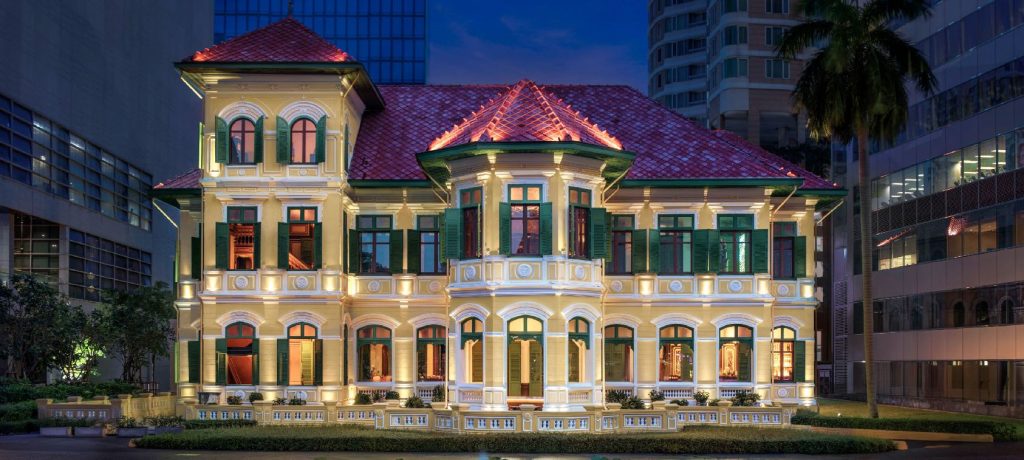
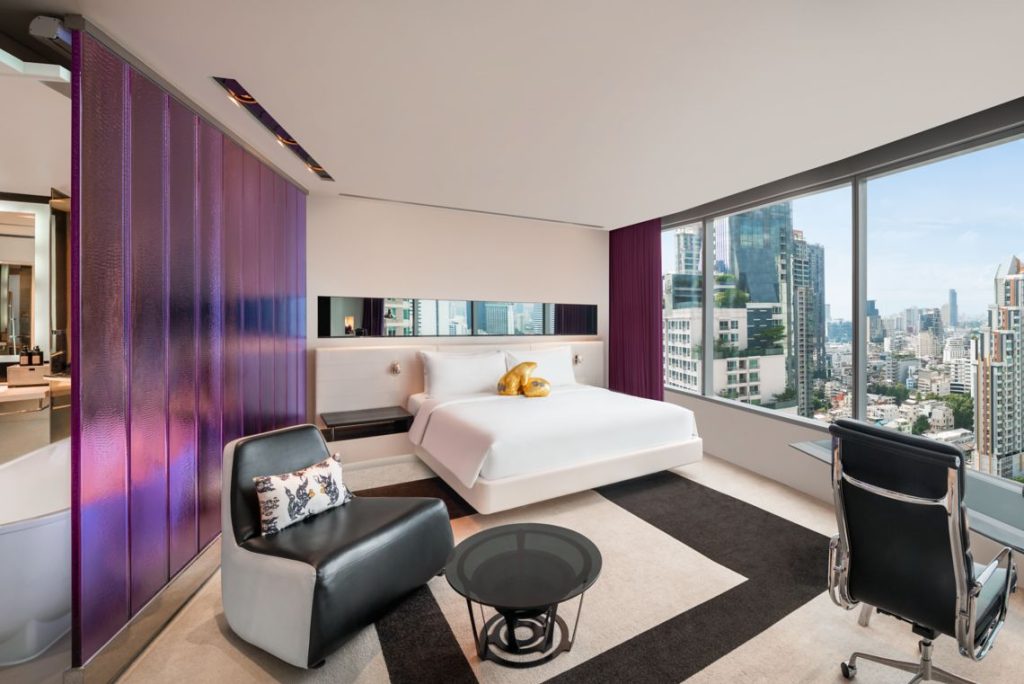
W Bangkok
High energy softened by strong food and drink.
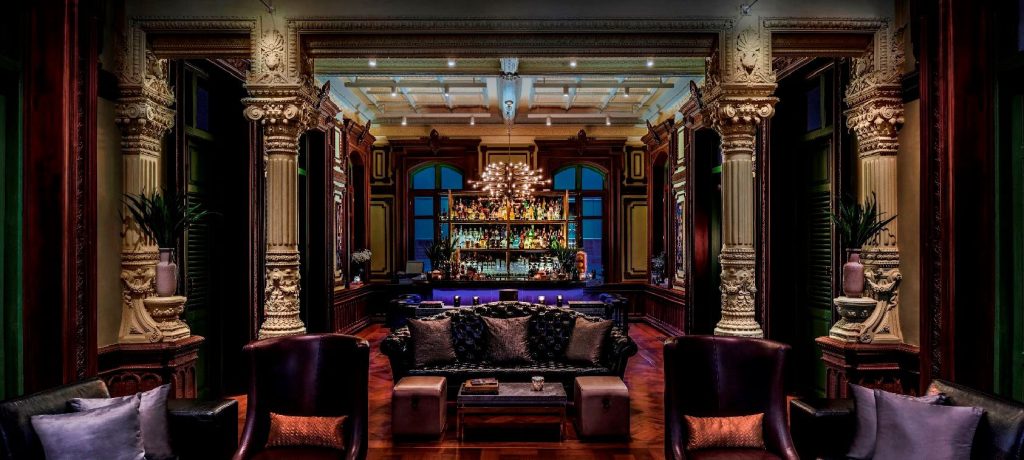
January is when Bangkok feels most liveable, with lower humidity and clearer evenings allowing the stay to lean into its food and drink strengths. Paii delivers Thai seafood with polish and consistency, offering dishes such as crab fried rice that feel generous yet controlled, making it easy to stay in rather than navigate traffic again. Evenings settle naturally into Bar Sathorn, where cocktails are structured and balanced, including the Bangkok Brunch cocktail that carries both familiarity and lift without excess sweetness. The atmosphere remains social but measured, giving energy without tipping into noise. Instead of pushing guests outward, the rhythm encourages return, creating a loop between dining and drinking that supports long days without draining them.
Highlights: The Bangkok Brunch cocktail at Bar Sathorn as well as the crab fried rice at Paii.

Conrad Osaka
A winter-friendly reset above the city.
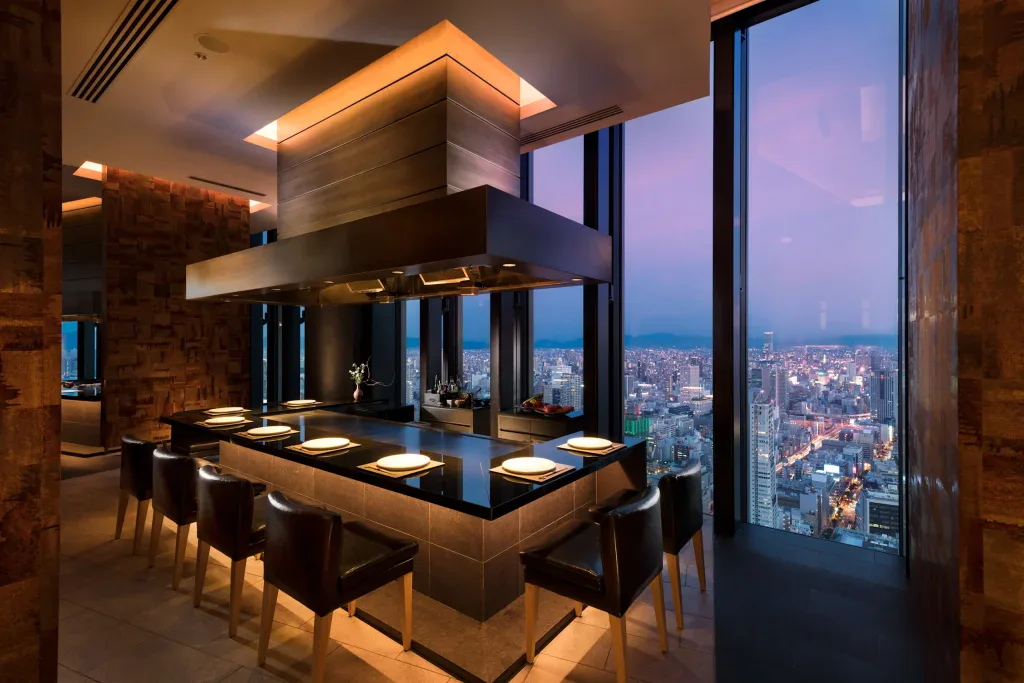
Osaka in January is cold enough to make recovery non-negotiable, and this is where the stay proves most effective. Dining moves comfortably between range and refinement, with Kura offering teppanyaki and sushi omakase that prioritise control and product integrity rather than theatrics. The Mudae by Justin Lee pop-up shifts the rhythm towards a more elevated, dessert-led tasting experience, bringing structure and progression to sweets in a way rarely seen within hotel dining. After long days navigating winter streets, the hot whirlpool and sauna become essential rather than optional, delivering sustained heat and genuine relief instead of a brief wellness gesture. Facilities are immaculately maintained and intuitively designed, allowing guests to decompress without friction. The overall experience suits travellers balancing heavy eating, extended walking, and work commitments, offering a base that restores without demanding attention.
Highlights: A properly heated sauna and hot whirlpool, Kura’s disciplined teppanyaki and sushi, and the refined dessert progression at Mudae by Justin Lee.