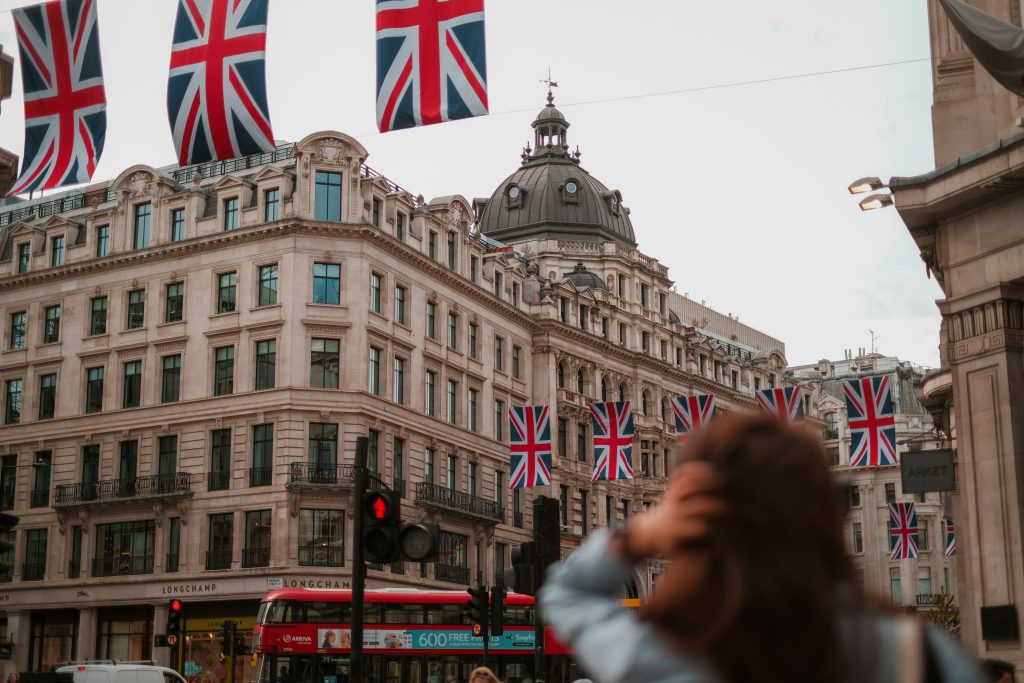
They say if you run out of things to do in London you’re not doing London right. London is often described as a city of excess, but that framing collapses its complexity into volume. What London actually rewards is not appetite, but judgement, and the ability to read the city through more than one lens at a time. For travellers who already understand luxury, London does not reveal itself through endless choice or spectacle, but through contrast, between polish and process, inheritance and authorship, rooms built to endure and rooms still being shaped. Seeing London properly requires holding these opposing ideas together, moving between them with intent rather than choosing one at the expense of the other.
Arriving in the city makes this logic tangible almost immediately, not through landmarks or history, but through movement. Taking the Elizabeth line from Heathrow remains the fastest and most intelligent way into the city centre, not because it is economical, but because it respects time, which remains the only currency that truly matters to frequent travellers.
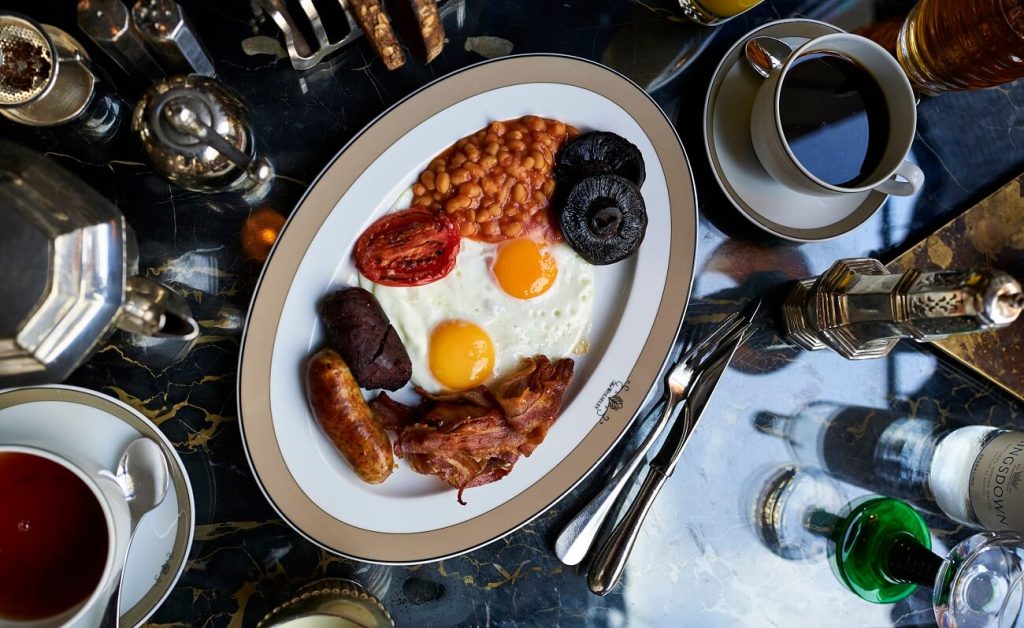
There Are Two Ways To Do Breakfast In London
Breakfast offers an unexpectedly precise insight into London’s traditional sensibility. In West London, sitting down at Hide in the morning establishes a sense of order, where excellent pastries anchor the experience and ingredients are handled with restraint rather than indulgence. The Wolseley continues to function as a civic institution rather than merely a restaurant, and ordering lamb kidneys for breakfast, while unconventional, makes complete sense once tasted, offering depth and comfort without novelty. Fallow brings a contemporary edge into this rhythm, and its croissant royale captures the kitchen’s confidence, indulgent without excess and modern without abandoning structure.
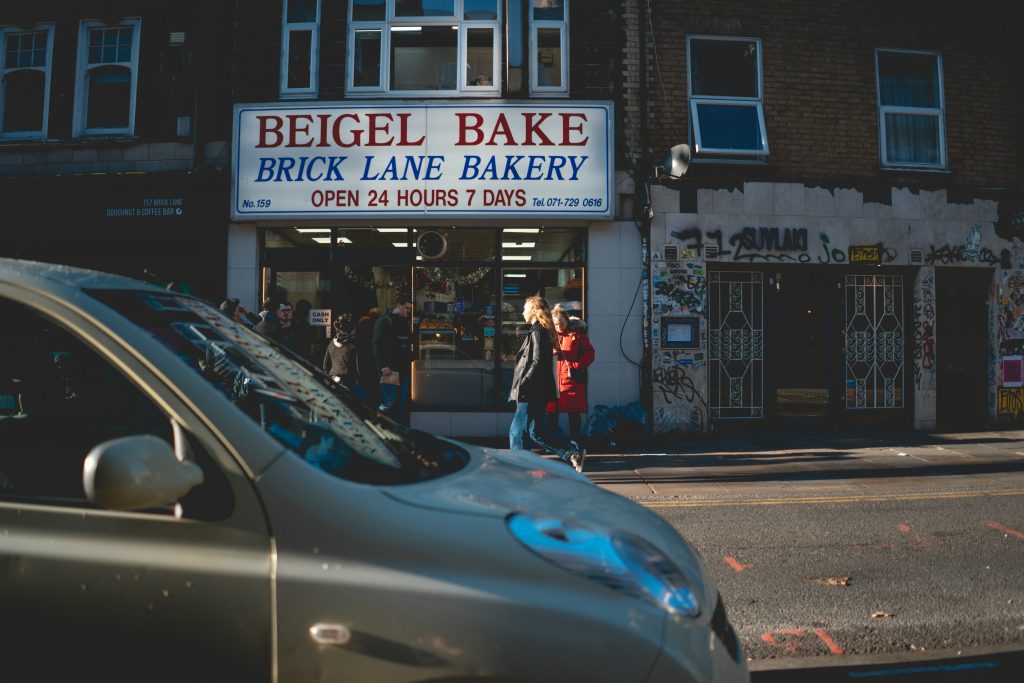
East London in the morning operates on a different frequency altogether, shaped by cafés and bakeries that prioritise process over presentation. Money exists here, but quietly, a place where coffee is often roasted on site, kitchens remain visible, and pastries embrace imperfection as a marker of intent rather than flaw. Dishoom remains one of the city’s most dependable breakfast destinations, delivering a twist with consistency in their Bombay breakfast, with warmth rather than performance. E Pellici sits at the opposite end of the spectrum, a greasy spoon in the purest sense, where comfort is delivered with an absence of pretence. Beigel Bake on Brick Lane belongs firmly in this landscape, not as a novelty, but as ritual, where the salt beef sandwich speaks clearly about London’s cultural layers than any curated menu.
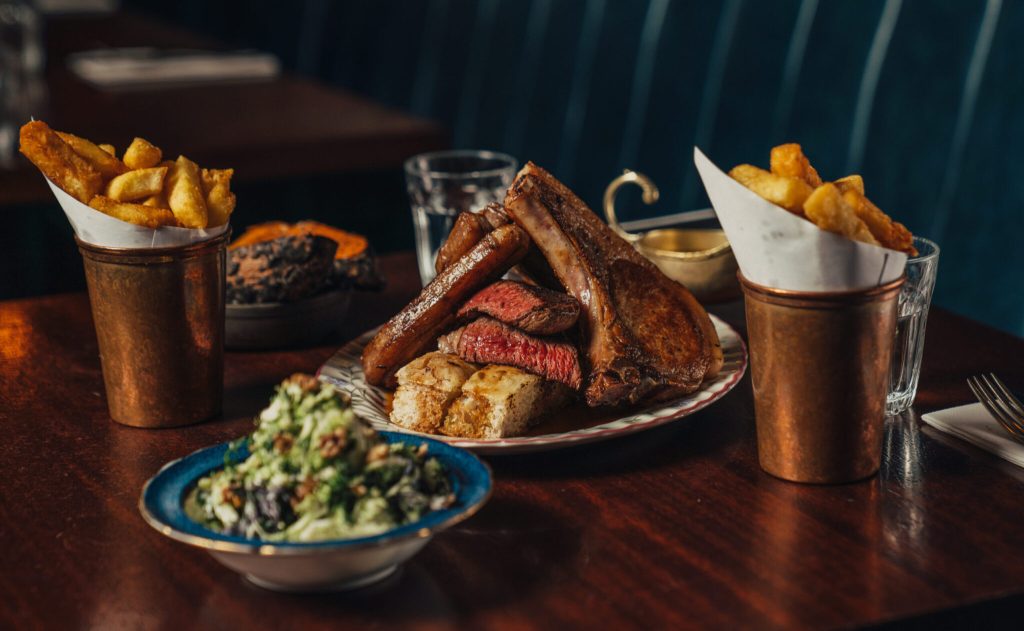
The British Institution of the Sunday Roast
As the week turns toward its most familiar pause, London’s relationship with food becomes less about invention and more about continuity, and nowhere is that more visible than in the Sunday roast. This is not simply a meal, but a social structure that cuts across neighbourhoods, classes and dining styles, reinforcing the idea that tradition here is something lived rather than preserved.
At Blacklock, the focus on dry-aged beef gives the roast a seriousness rooted in contemporary respect for butchery, producing depth and structure rather than softness alone. Quality Chop House offers one of the city’s most complete expressions of the format, where meat, vegetables and gravy are treated with equal care, reinforcing balance over bravado. The Devonshire anchors the ritual firmly in pub culture, where atmosphere matters as much as the plate and familiarity is handled with confidence rather than nostalgia, while The Cadogan Arms adds a layer of polish without dilution, serving the crispiest Scotch eggs and roasts alike showing how technique and comfort can coexist without tipping into affectation.
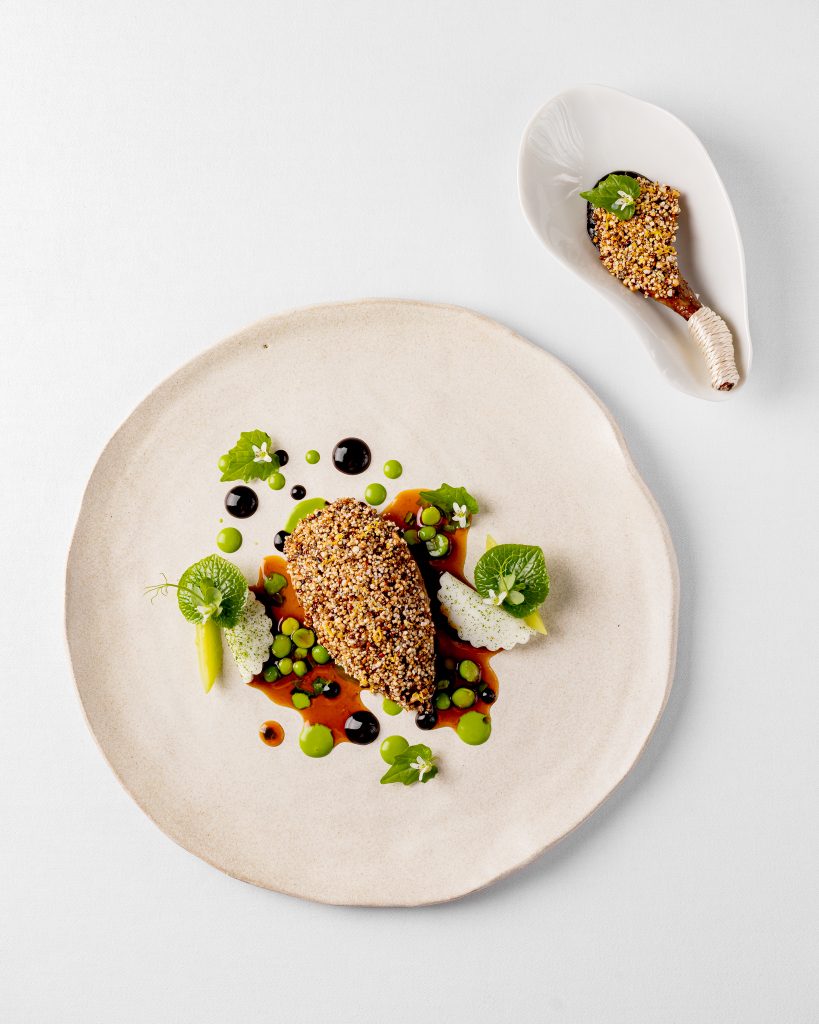
Contemporary Europe, redefined
At the luxury end of London’s dining spectrum, Hélène Darroze at The Connaught shows how contemporary European cooking can still accommodate scale and generosity without losing control. As a three-Michelin-starred restaurant, grandeur is part of the language, but it is exercised with authority rather than indulgence, allowing depth to build through structure and proportion rather than escalation. The cooking prioritises clarity and precision, and the baba au rhum, so often reduced elsewhere to spectacle, is handled with restraint and balance, rich yet composed, reinforcing the idea that luxury in London is less about denial and more about knowing exactly where to stop. That same sense of judgement carries through more contemporary expressions, with OMA presenting modern Greek cooking through confidence and restraint, where its much-discussed spinakopita succeeds not because it is clever, but because it understands texture, seasoning and timing. Mountain brings a similar discipline to Basque-inspired cooking, favouring fire, produce and proportion over embellishment, and reinforcing how London’s luxury dining has matured into something quieter, assured, and governed by control rather than excess.
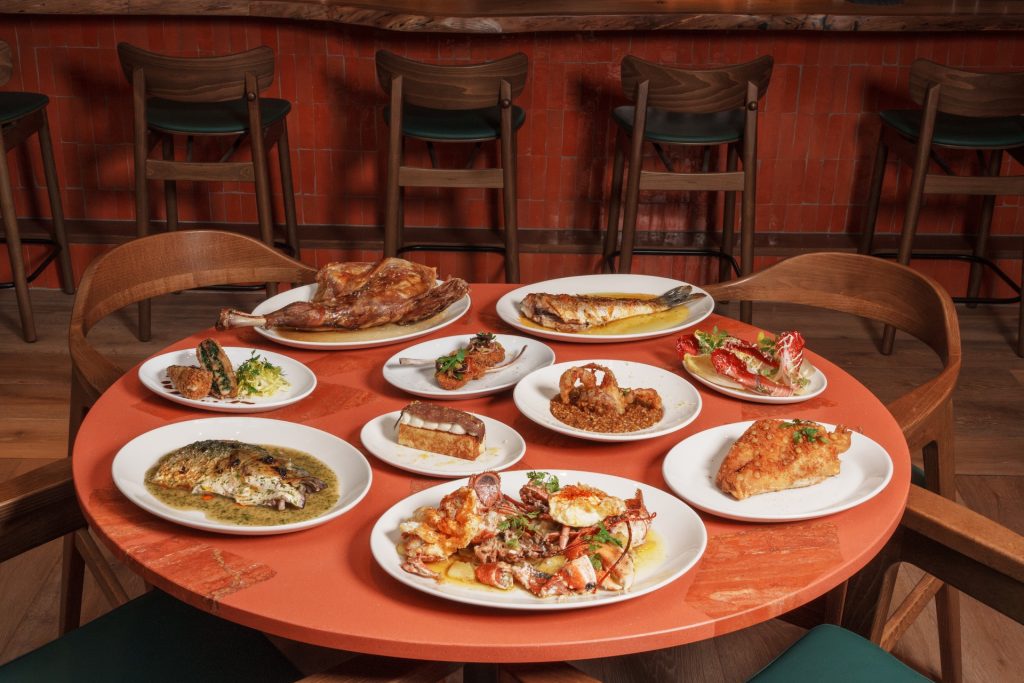
On the other side of the city, contemporary Europe is expressed through touch, confidence and an absence of sentimentality. Manteca treats modern Italian cooking as a working craft, where pasta and whole-animal butchery are tools rather than nostalgia, and dishes like the pheasant Milanese use familiar forms to demonstrate restraint and judgement. Planque applies modern French technique with quiet precision, favouring balance and coherence over flourish, while Legado leans into Iberian generosity shaped by control, with dishes such as suckling pig head finished with jamón powder showing how depth can be achieved without heaviness. Together, these kitchens define an artisanal London where confidence replaces display, and where contemporary European cooking feels built rather than staged.
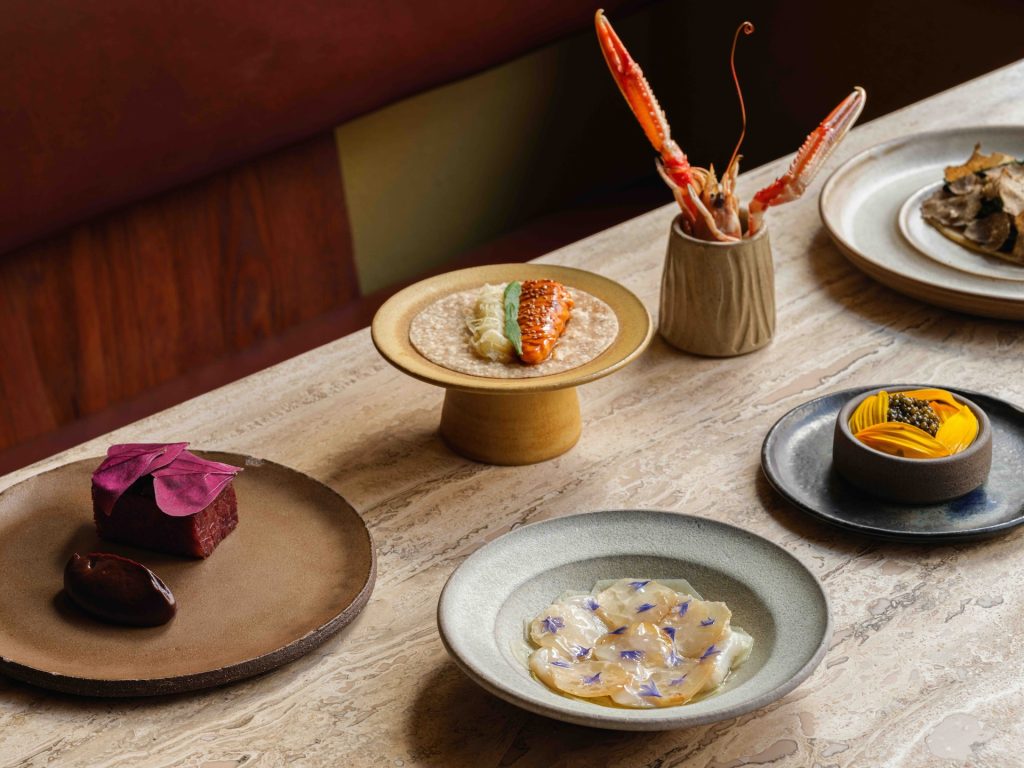
Spice Is Part Of London’s Grammar
At the more rarefied end of London’s dining landscape, Ikoyi sits slightly outside conventional categories, not because it rejects structure, but because it applies one with unusual discipline. Its identity is built around a highly personal understanding of spice, where heat functions as framework rather than provocation and fermentation extends flavour without dominating it. The cooking is resolved and rigorous, allowing dishes to linger through coherence rather than surprise. KOL approaches heat from a different direction, translating Mexican flavours through fine-dining technique without stripping them of warmth or emotion, and its treatment of langoustine consistently captures this balance, precise and expressive without tipping into display. This is luxury London at ease with intensity, confident enough to control it rather than amplify it. At a more grounded register, Akara expresses a similar confidence through intimacy rather than scale, focusing on West African flavours delivered with clarity and restraint. The cooking foregrounds spice as texture and warmth rather than force, allowing familiarity and craft to carry the experience.
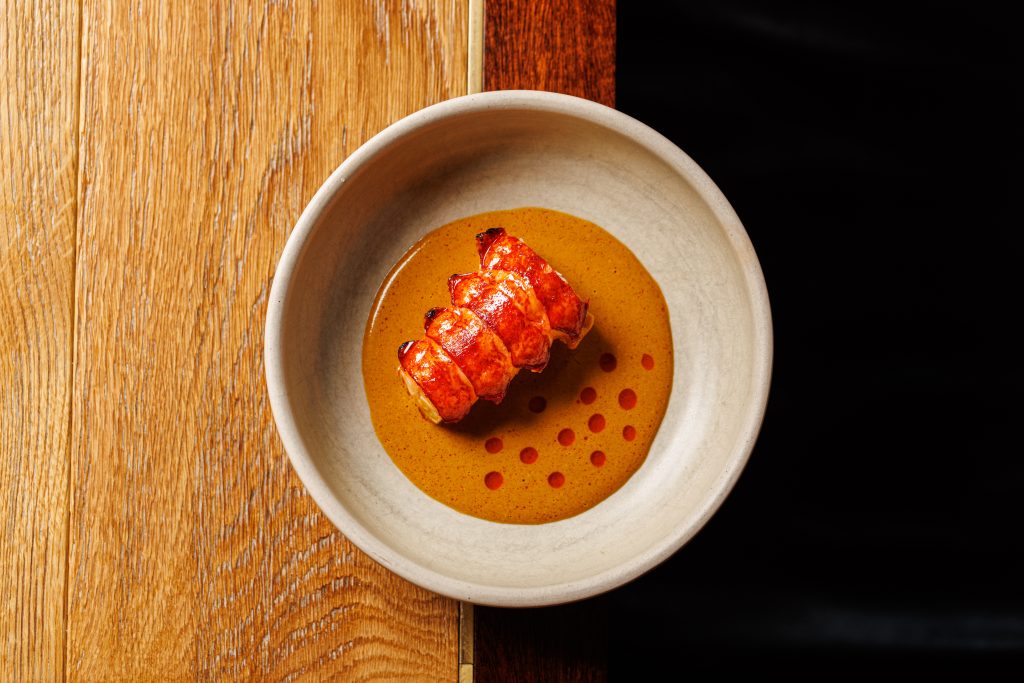
Further along the spectrum, heat becomes more conversational and intimate. Cocochine brings Sri Lankan flavours into focus through a distinctly French discipline, where structure, pacing and restraint allow spice to unfold gradually rather than announce itself, rewarding attention without demanding ceremony. BiBi is refined in both intent and execution, presenting Indian cooking with clarity and polish, where spice is measured, flavours are composed, and confidence replaces explanation. Together, they reflect an artisanal London that treats heat as something to be understood rather than performed.
It is no coincidence that Thai cooking now occupies a role once held by Italian food in London’s dining imagination, familiar enough to comfort yet expressive enough to sustain endless variation. In this more grounded register, Smoking Goat embraces intensity without apology, delivering Thai flavours with volume and confidence, especially in their fish sauce deep fried chicken wings, while Singburi remains one of the city’s most honest kitchens, where Thai flavours are used to intepret British produce. This is artisanal London at its clearest, building luxury through repetition, trust and the hands that make the food, and proving that heat, when handled with conviction, can feel as reassuring as it is compelling.
Modern British Cooking Comes of Age
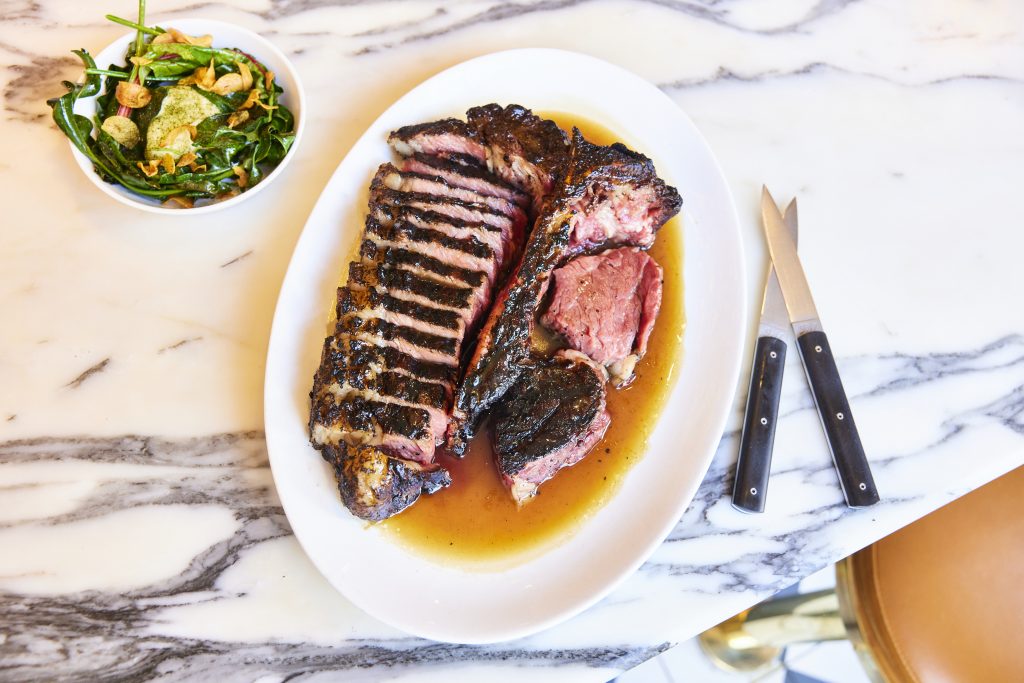
Modern British cooking in London only becomes legible once its foundations are acknowledged, and St. John’s remains the reference point that quietly underpins everything that followed. Its approach to nose-to-tail cooking was never framed as ideology or provocation, but as common sense, grounded in clarity, restraint and an unshowy respect for ingredient and process. In the same spirit, Dorian reflects refinement rather than rupture, shifting away from excess and decoration towards sourcing, restraint and precision. The cooking is ingredient-forward and assured, allowing quality produce to dictate the experience and signalling a moment where British cuisine feels confident enough to stop explaining itself.

From this lineage, modern British dining has expanded without needing to announce a break, and nowhere is that evolution more specific than in Britain’s own approach to Chinese cuisine. A. Wong treats Chinese cooking not as something to be transplanted or authenticated, but as a living cuisine shaped by British context, history and dining culture. The work is underpinned by academic seriousness and emotional intelligence, referencing regional traditions while engaging directly with the realities of cooking Chinese food in Britain today, resulting in an experience that feels reflective rather than imitative, and distinctly British in its clarity, structure and intent.
London Sets The Bar High
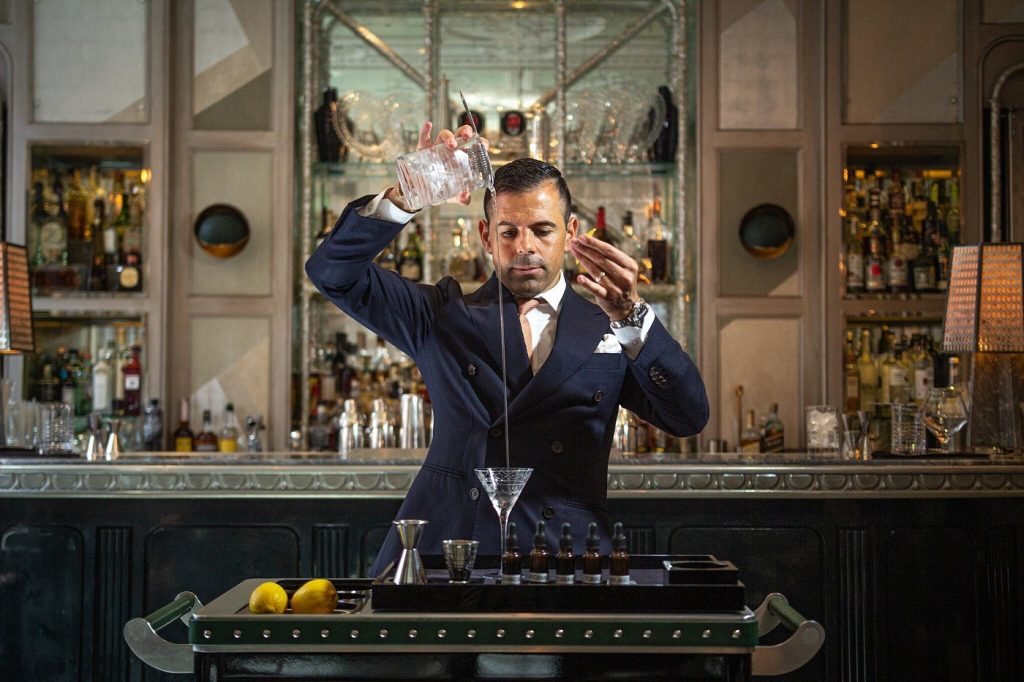
As night settles, London’s bar culture reveals the same split between inherited ritual and lived craft, with each side defined by what it values most. The Connaught Bar remains the city’s reference point for classic luxury, where the martini is still the benchmark not because it has been reworked, but because it has been protected, executed with consistency, restraint and an understanding of when improvement is unnecessary. The Spy Bar at Raffles at the OWO offers a contemporary extension of this world, pairing polish with discretion through its no-photos culture and a clientele that values privacy over performance, while Waltz channels Japanese bar discipline into an atmosphere of quiet focus, where precision matters more than spectacle.
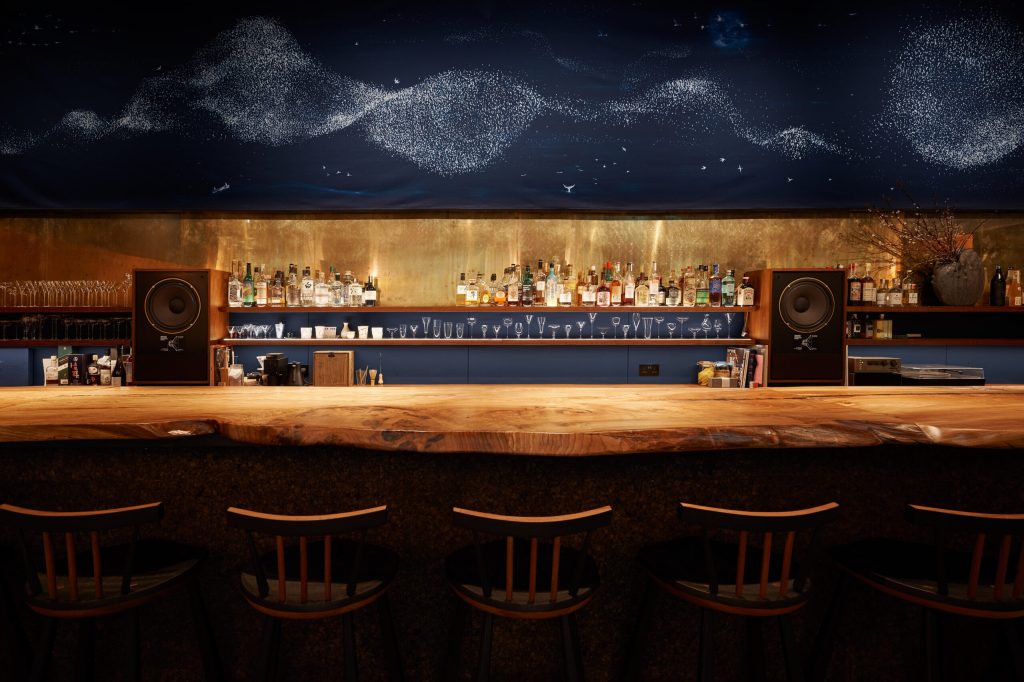
Elsewhere east, the centre of gravity shifts toward bars built through people rather than precedent, with Satan’s Whiskers proving that balance and seriousness require no theatre, Bar Termini standing as the city’s clearest example of hospitality done properly through repetition, warmth and clarity, and A Bar With Shapes For A Name pushing flavour forward with curiosity and restraint. Together, they show that London’s evenings are not defined by trends, but by judgement, whether expressed through ritual perfected or hospitality earned.

Living Between Two Londons
London does not reward those who arrive seeking spectacle, validation or a checklist of places to be seen. It rewards judgement, timing and the ability to recognise value when it appears quietly rather than announcing itself. Luxury here is neither inherited nor invented for effect, but revealed through restraint, repetition and the confidence to do things properly or build them honestly. For travellers who already know the difference, London stops performing and starts making sense, not as a city of excess, but as a city that assumes discernment and quietly insists upon it.