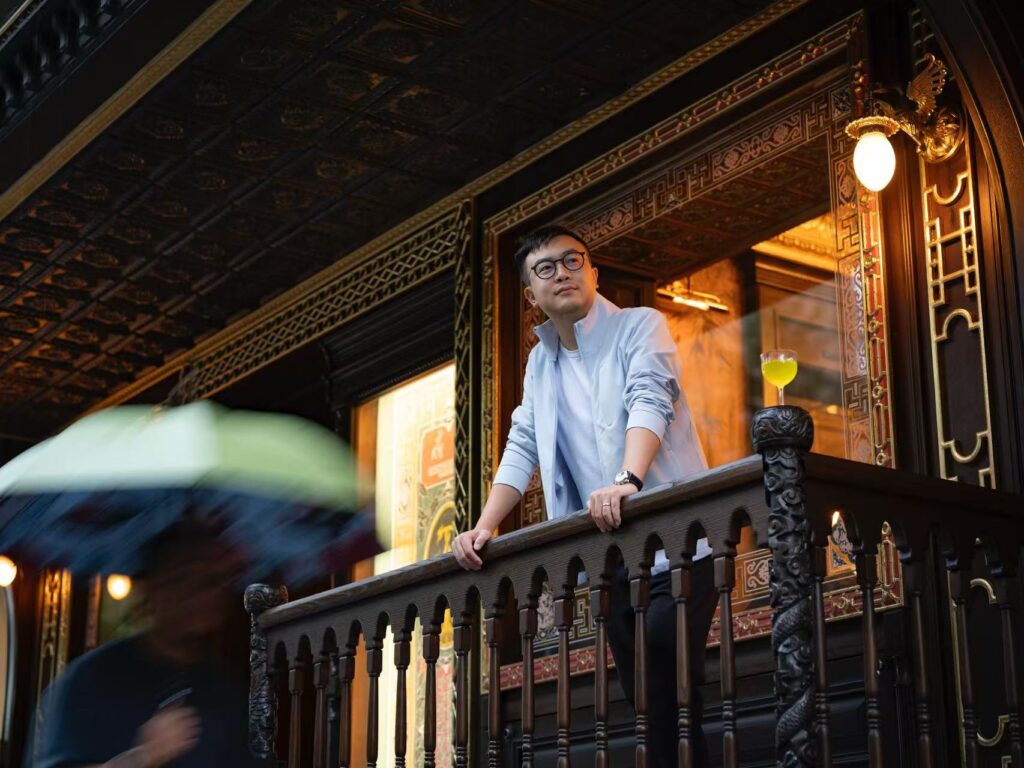
Chengdu rarely enters the global bar conversation with the same weight as Shanghai or Hong Kong, yet a quieter shift is taking place on the ground. At the centre of it is Peter Peng, the operator behind five distinct concepts including Chinese Room, each pushing a different reading of what a modern cocktail bar in China can be. This conversation looks at how those bars came to be, what Chengdu gets misjudged for, and why the city’s drinking culture is beginning to demand closer attention.
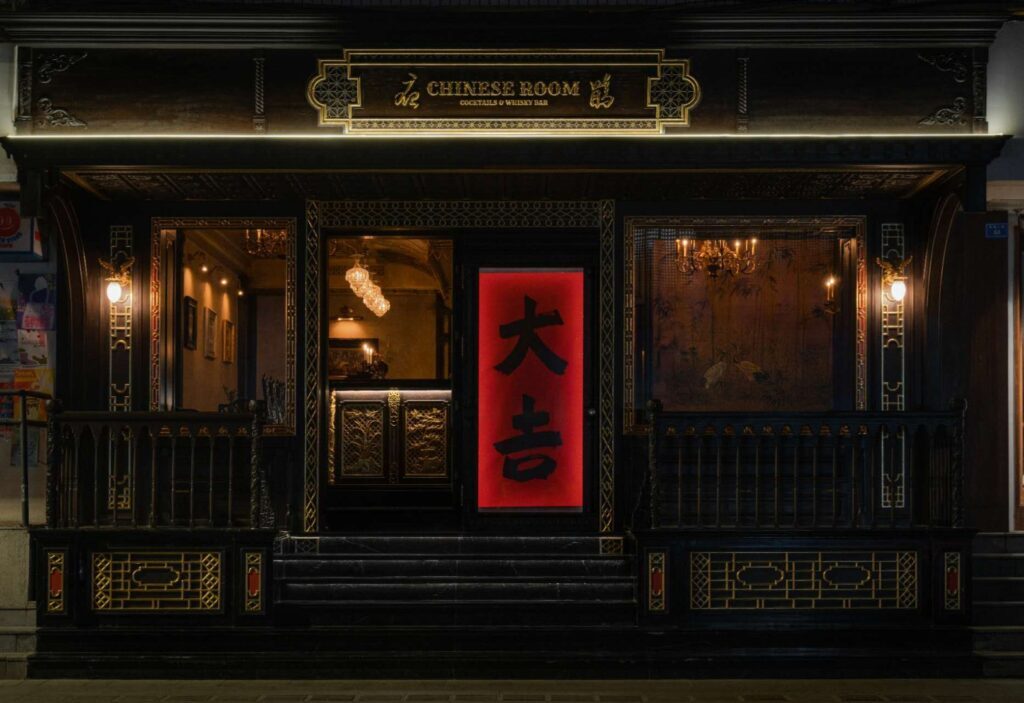
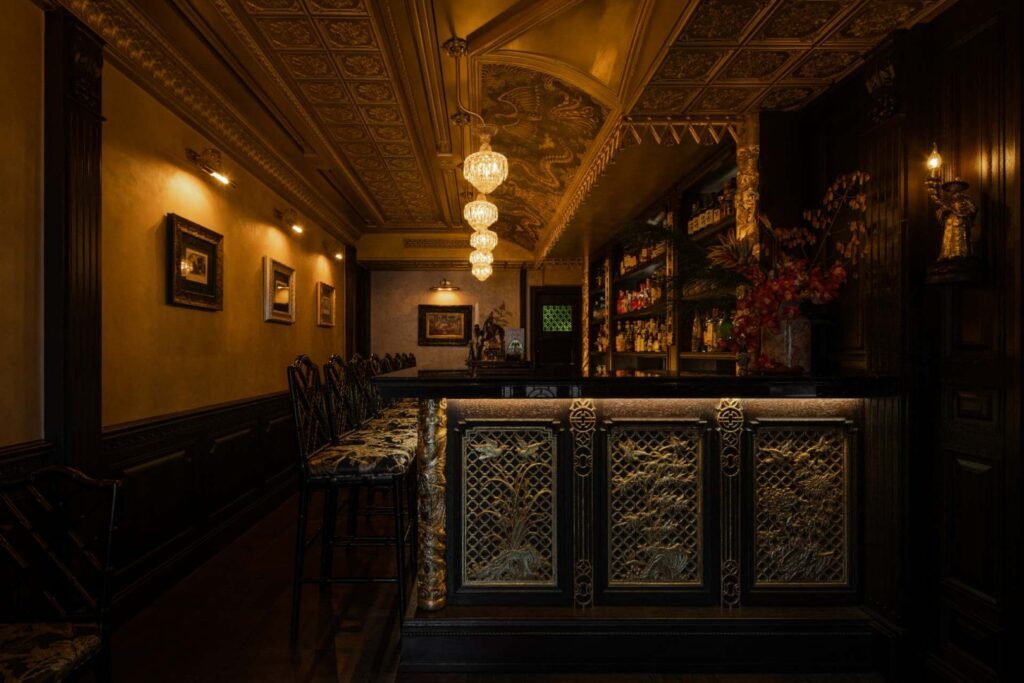
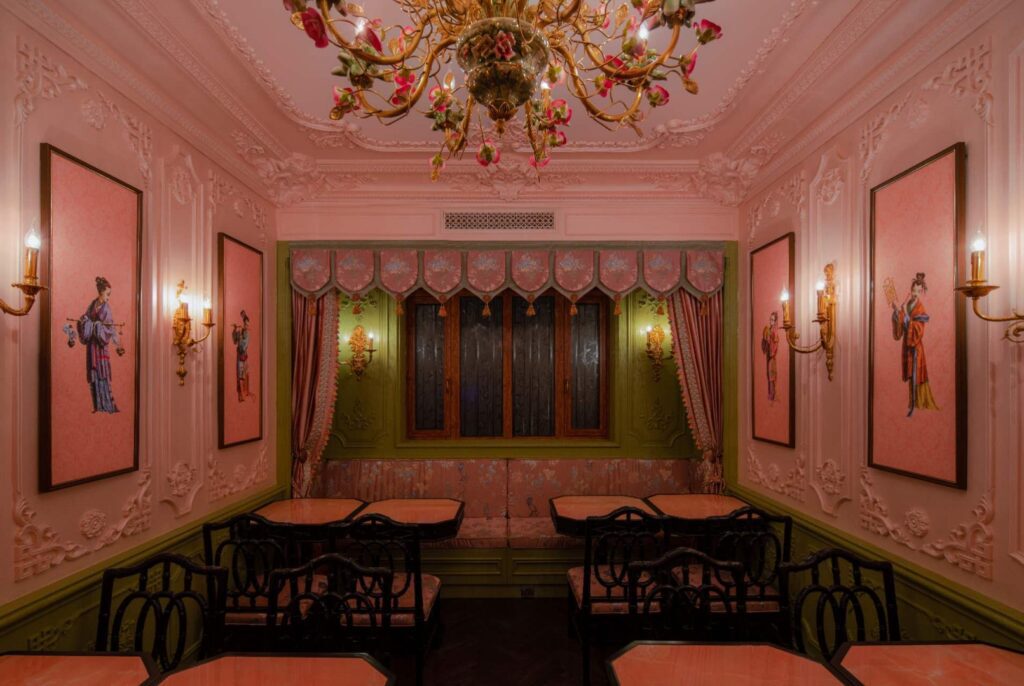
Chinese Room 夜鵑
For readers discovering your work for the first time, how would you introduce yourself and your journey into building a group of bars in Chengdu.
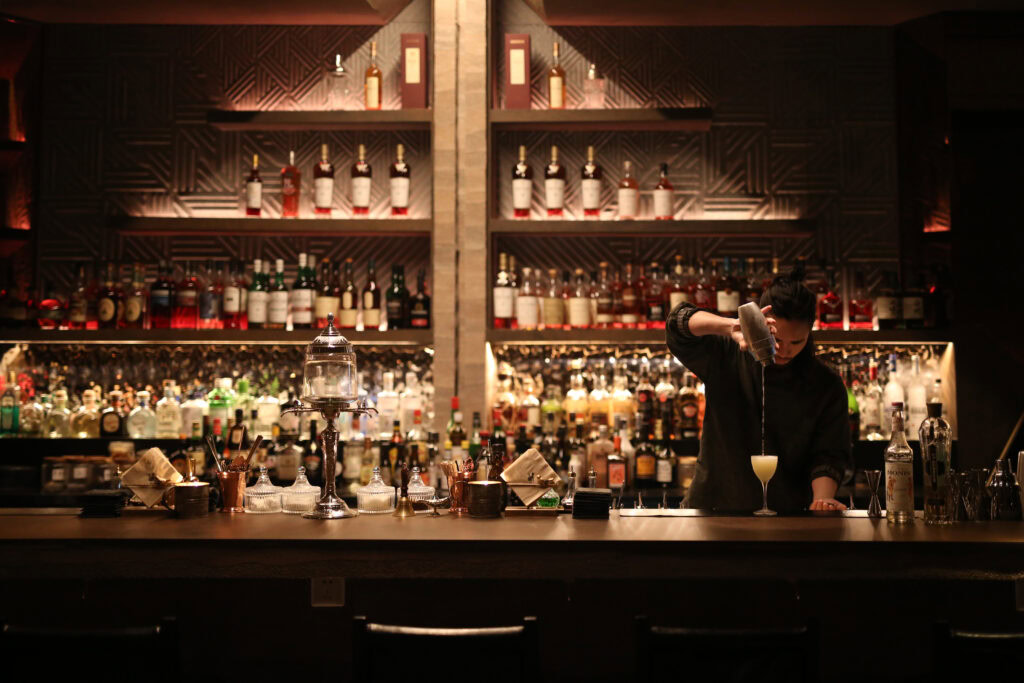
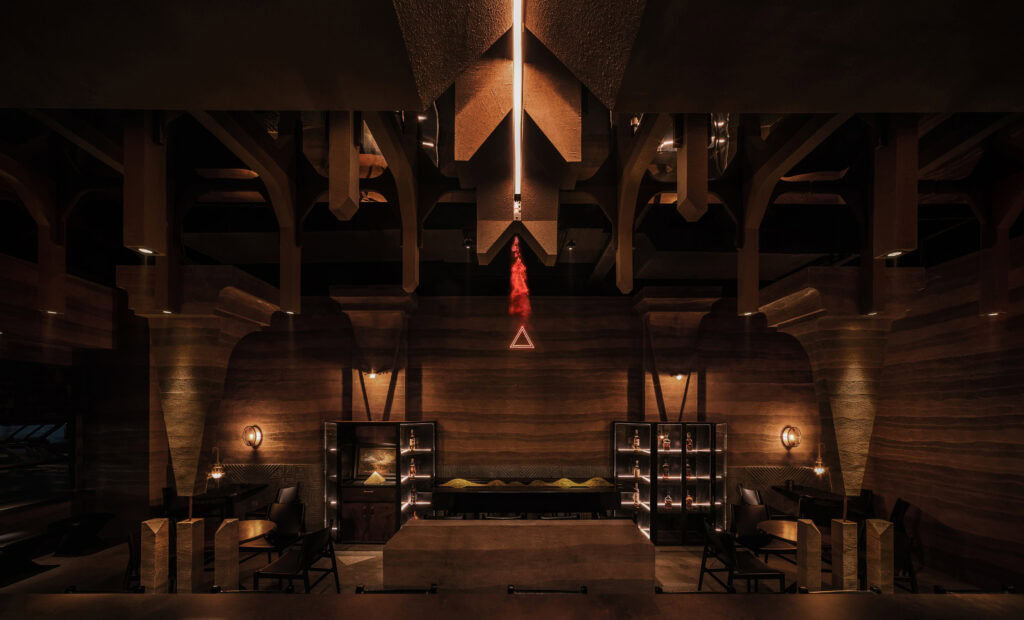
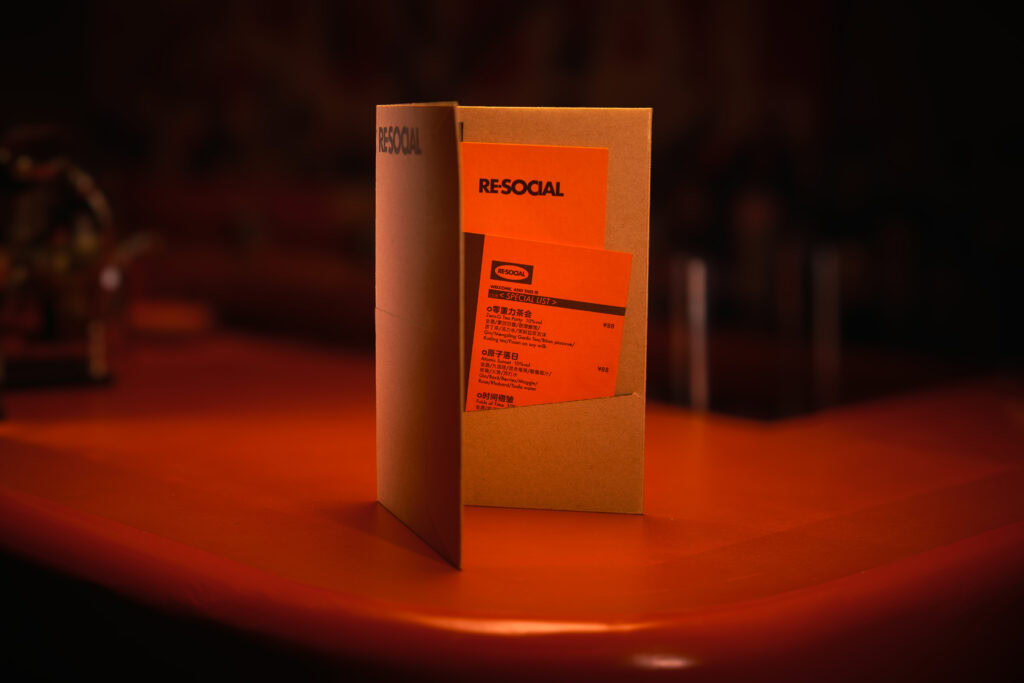
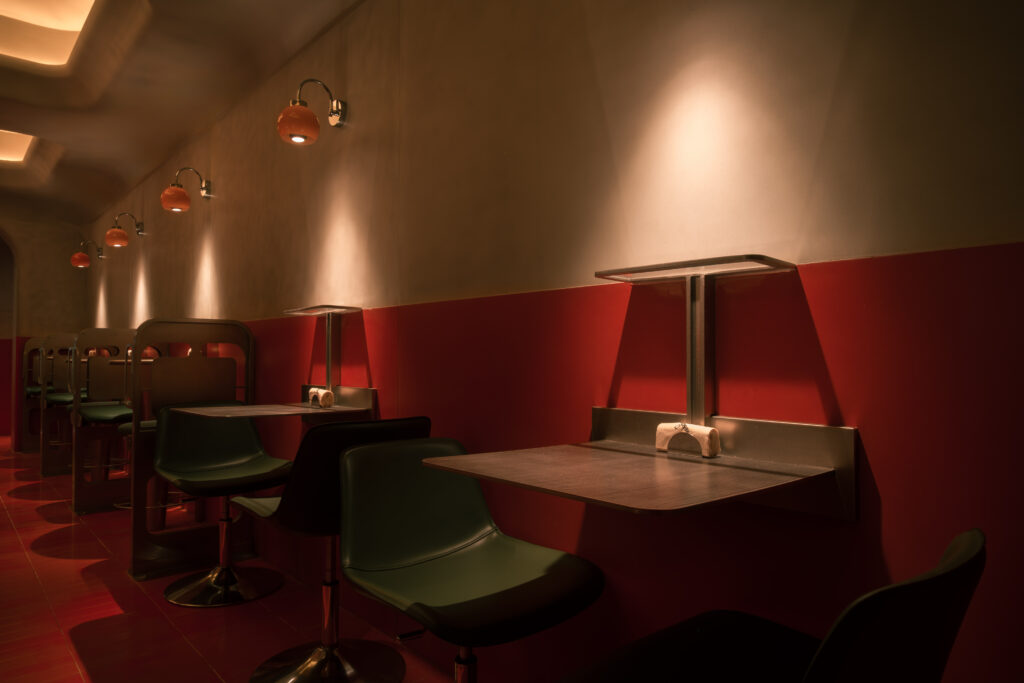
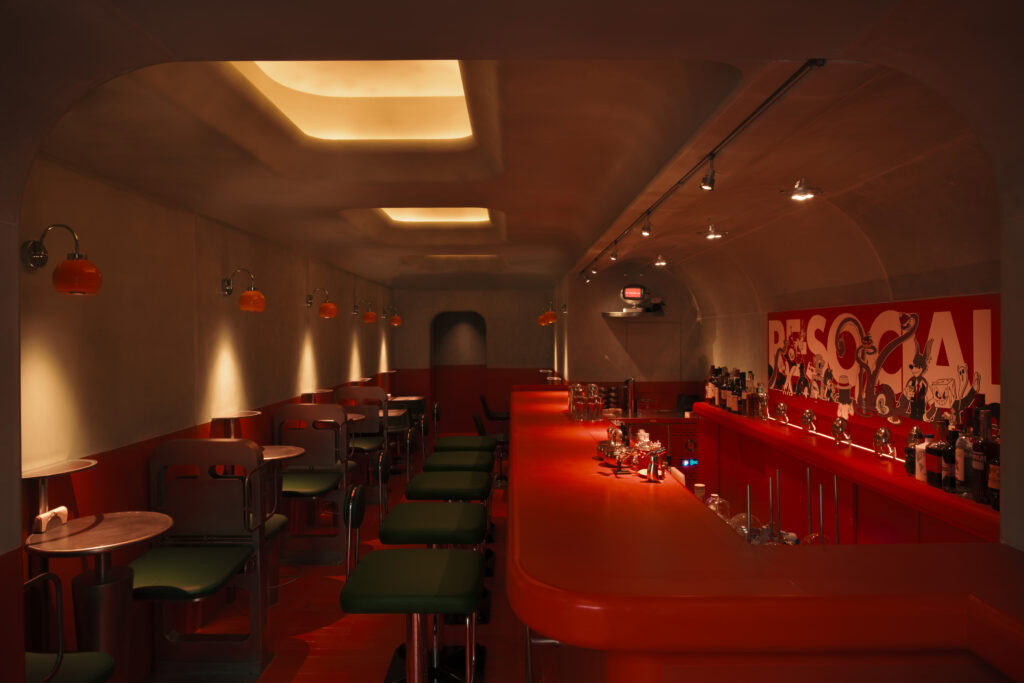
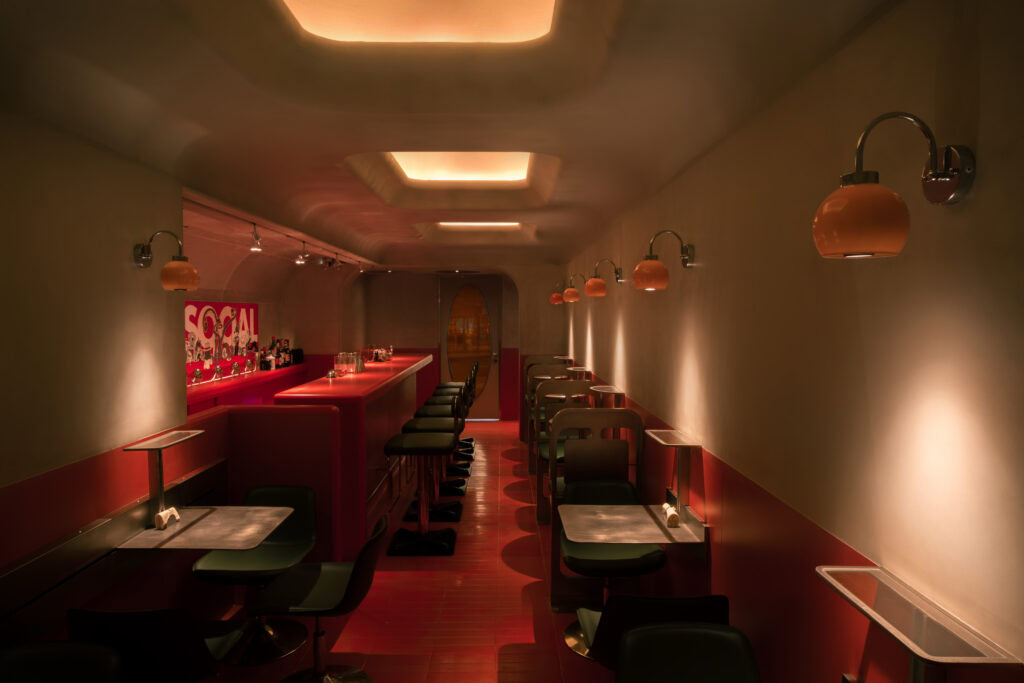
My entry into the bar business was not driven by a passion for bars or a desire to open a specific concept. I simply did not want to continue in my previous profession, so I chose an industry with reliable cash flow, which was bars. La Beato began with a clear rejection of what was already in the market. I told the designer I did not want a Japanese-style bar or an American vintage speakeasy. I wanted a “lost temple” concept. It was not initially Egyptian, but guests kept describing it that way, which led us to carry out a major visual identity upgrade. That shift in identity ultimately defined what La Beato is today. Chinese Room came after. Its designer CK, who is also a close friend, proposed building something entirely different. That became Chinese Room. Wiki Wiki grew out of a tiki event at La Beato with DJs, a pool, and tiki drinks. Shake Lab was created out of necessity. We needed a dedicated space for R&D and prep. If it was going to be a lab, it had to produce something distinctive, so it became a lab-style bar. Re-Social came from my partner Luca, who wanted something forward-looking. He chose a “Back to the Future” direction, centred on the evolution of classic cocktails. That is how the five bars came together.
Chinese Room 夜鵑 has become a defining bar in Chengdu. What was your original vision for it, and how has that vision evolved as the city’s drinking culture develops.
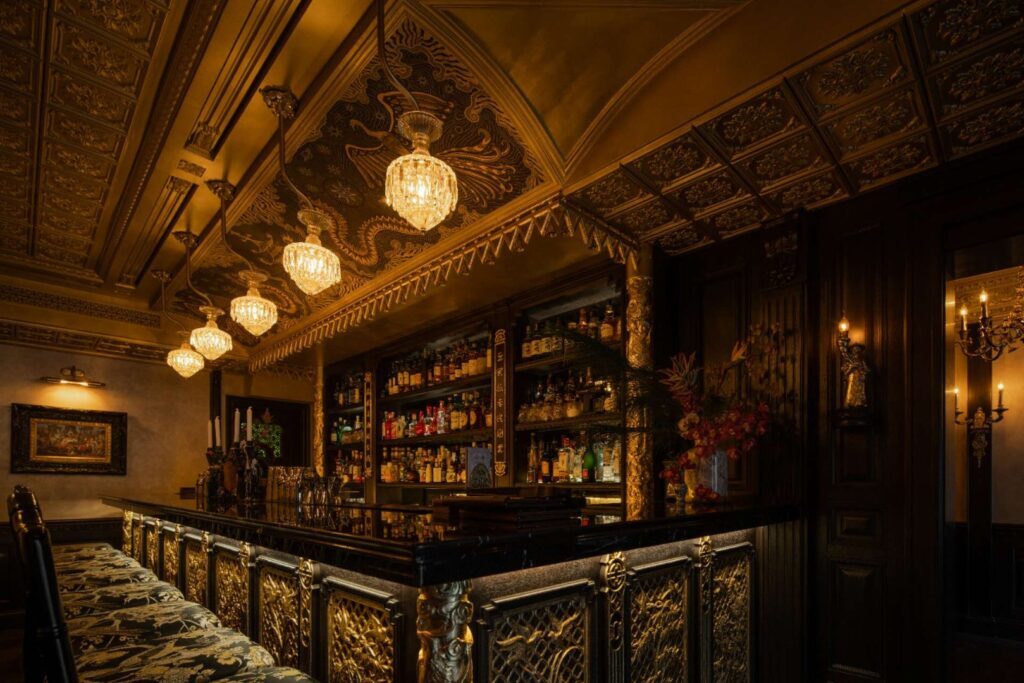
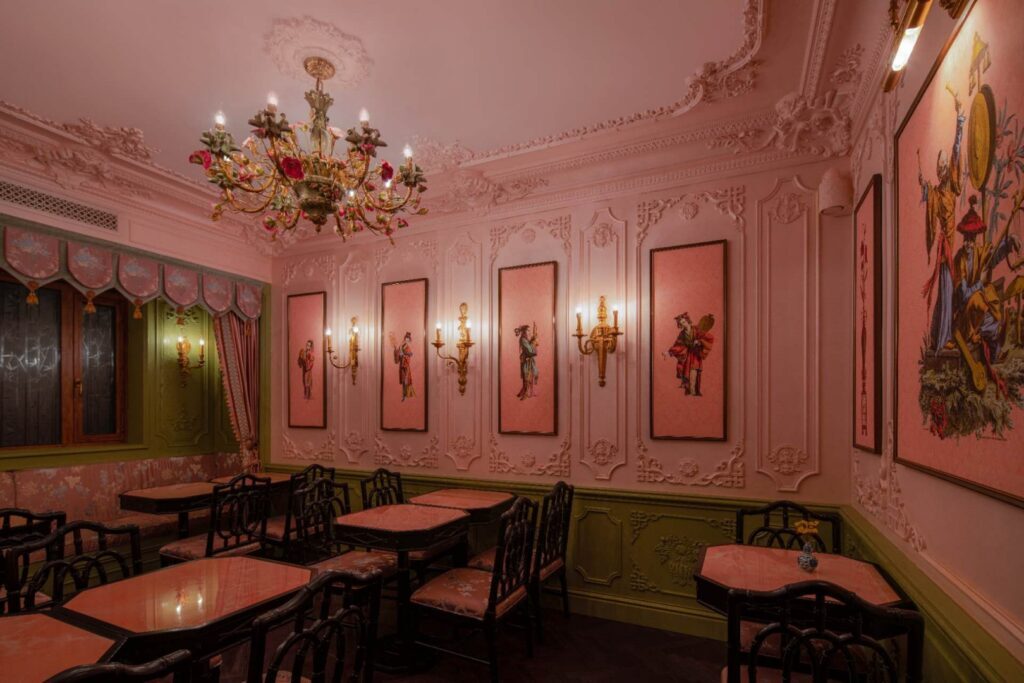
Chinese Room was built on the designer’s background. After more than ten years in the UK, he returned to a domestic scene dominated by Japanese and American styles. He chose instead to build around Chinoiserie, drawing from 18th-century European interpretations of China to create a cross-cultural aesthetic. We initially worked with Chinese spirits, drawing from the zodiac, the twelve time periods, and the Silk Road. The reality was that both bartenders and guests had very limited understanding and acceptance of Chinese spirits. That forced a reset. We travelled across China to distilleries, studying traditional fermentation, and looked outward to places like Thailand, Japan, and Malaysia to understand how others integrate local spirits into cocktails. Now we reinterpret six classic cocktails each year using baijiu. The team is far more confident handling different aroma profiles, and Chinese spirits are no longer treated as novelty but as part of a working cocktail system.
La Beato
You now operate five distinct concepts across Chengdu. How do Chinese Room, Re-Social, La Beato, Wiki Wiki and Shake Lab differ in intent, and what does each one contribute to the city’s bar landscape.
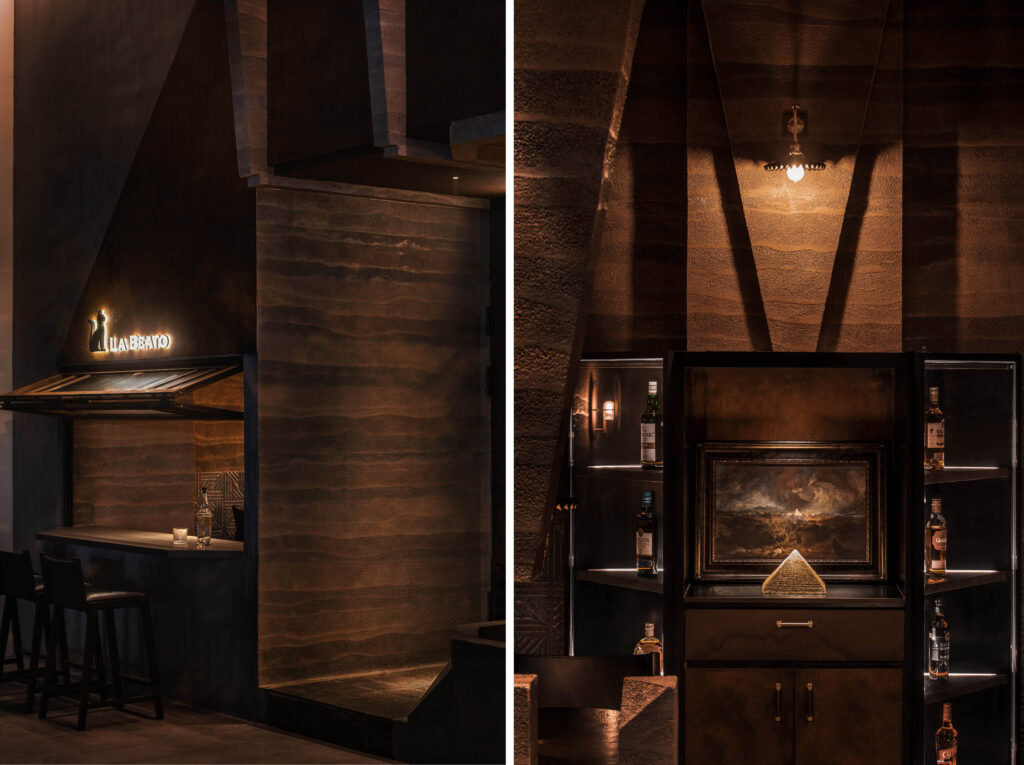
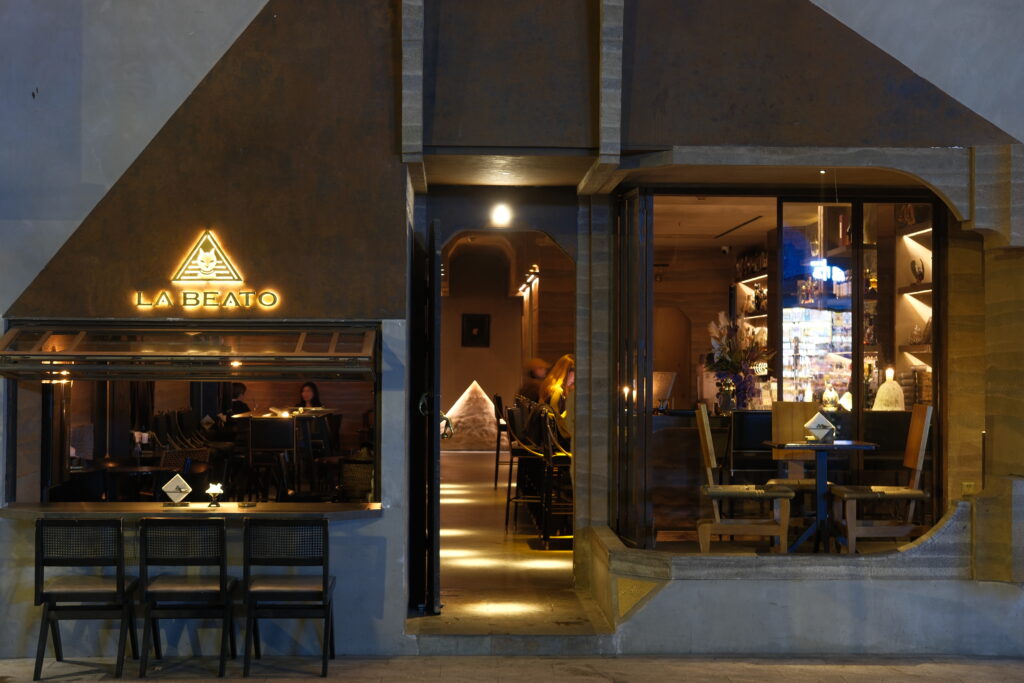
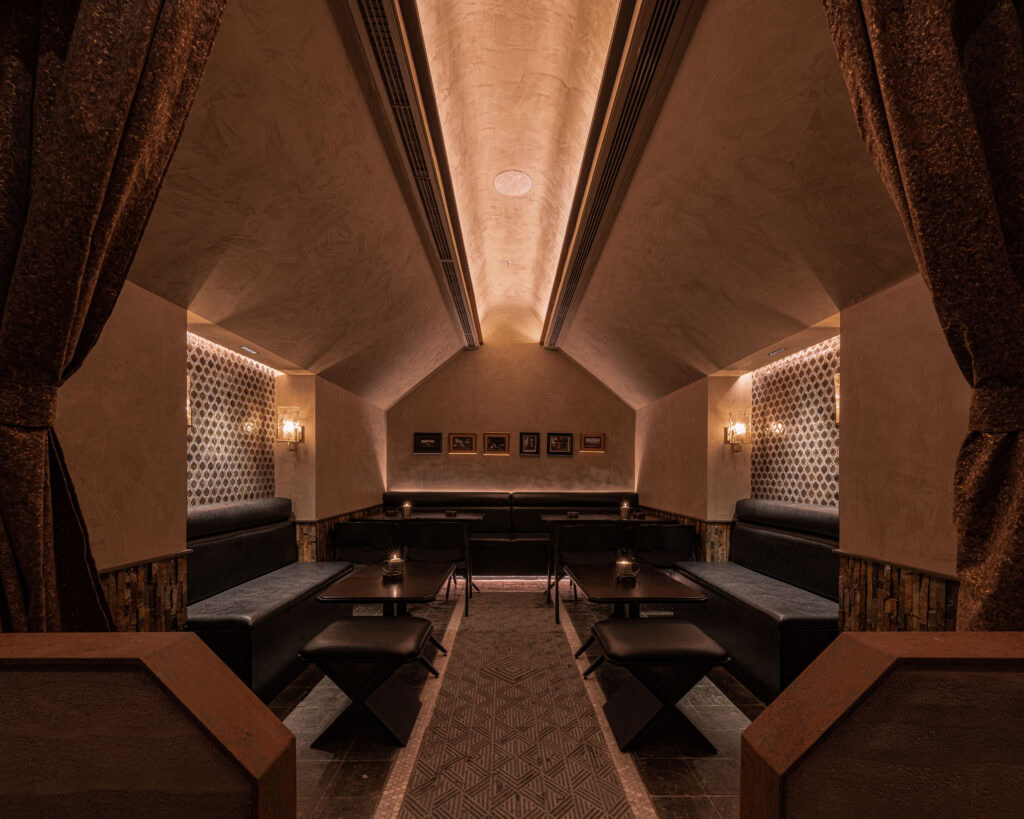
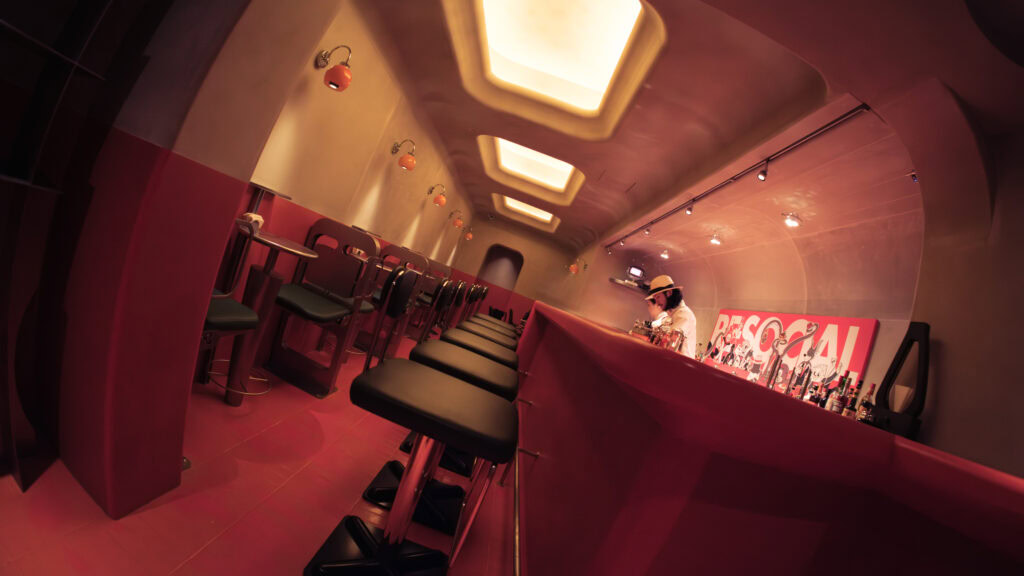
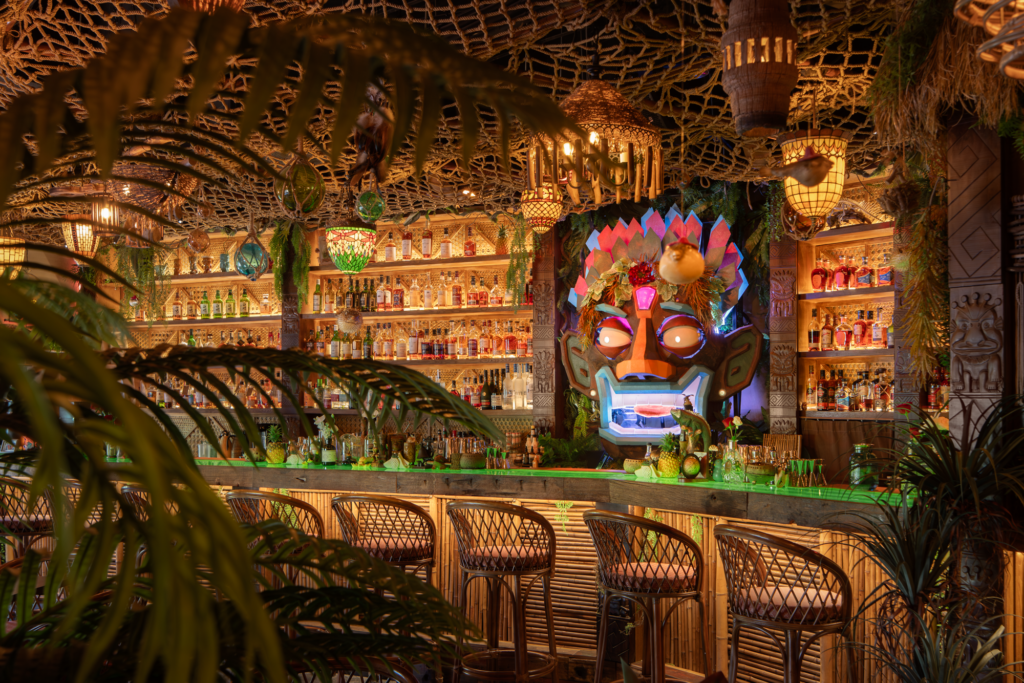
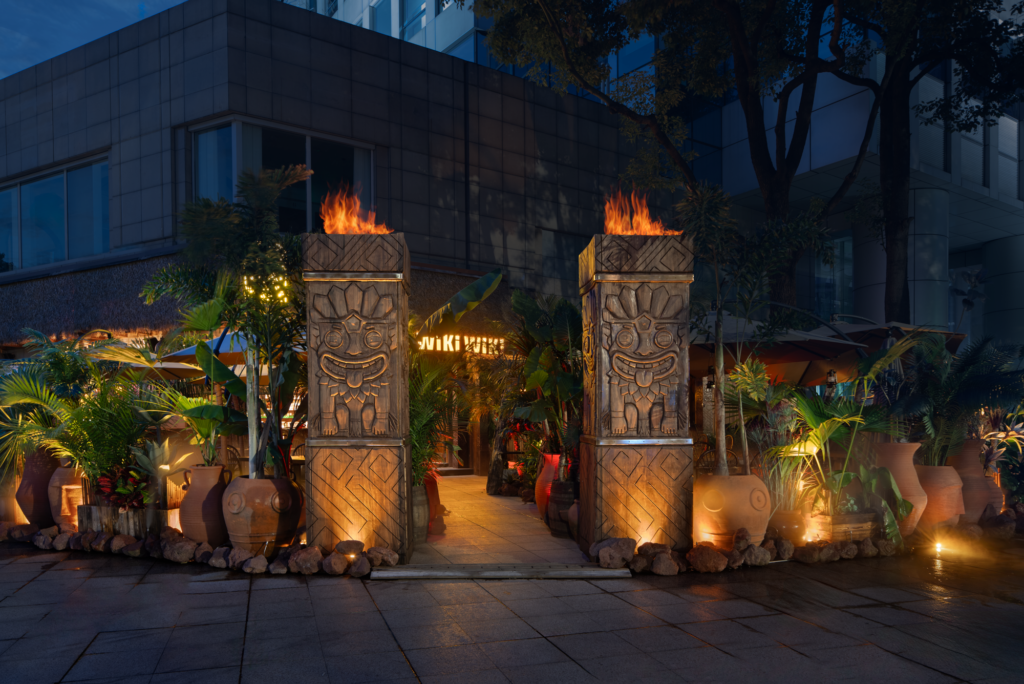
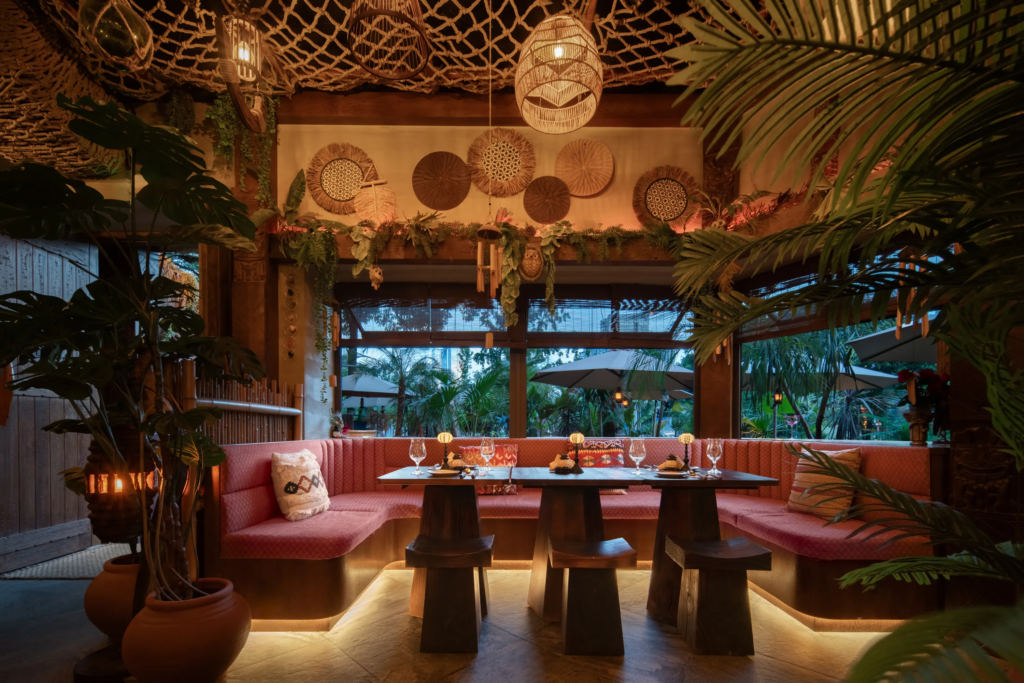
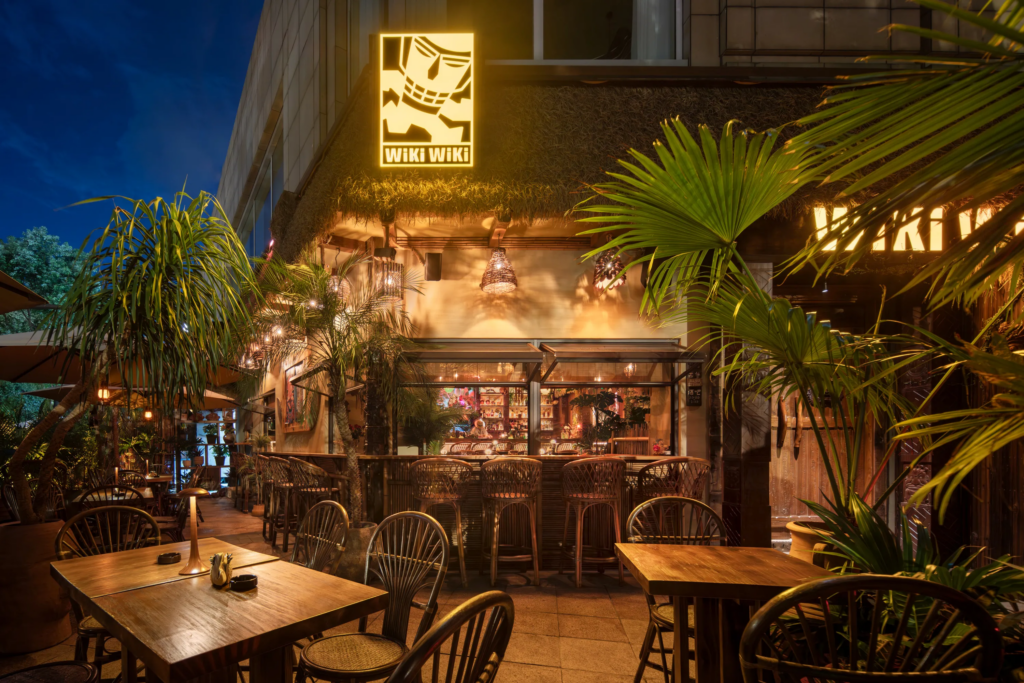
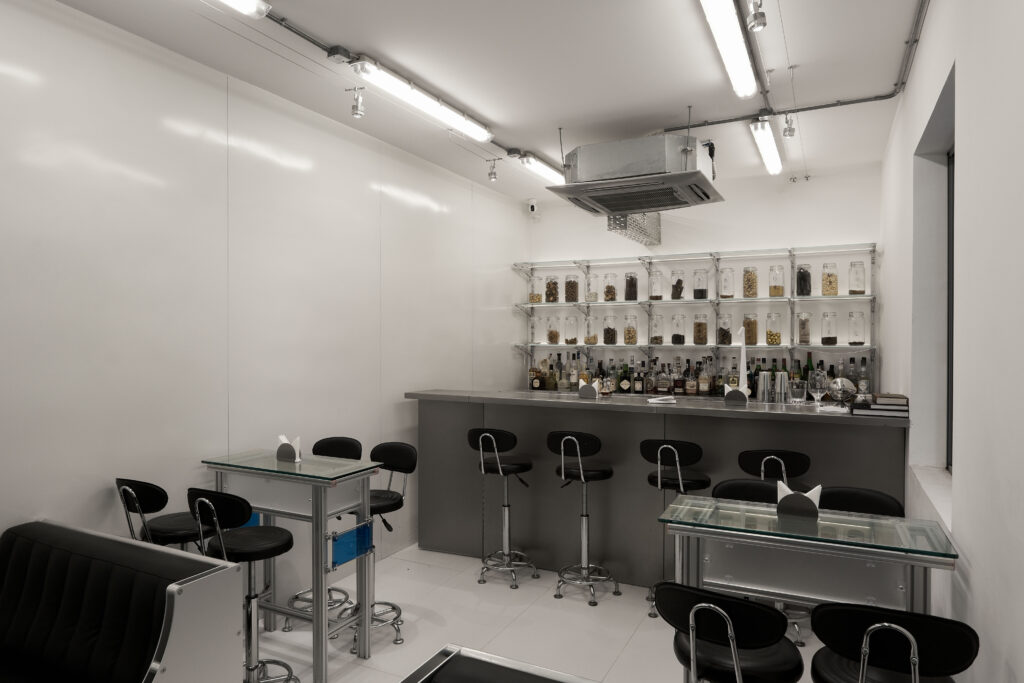
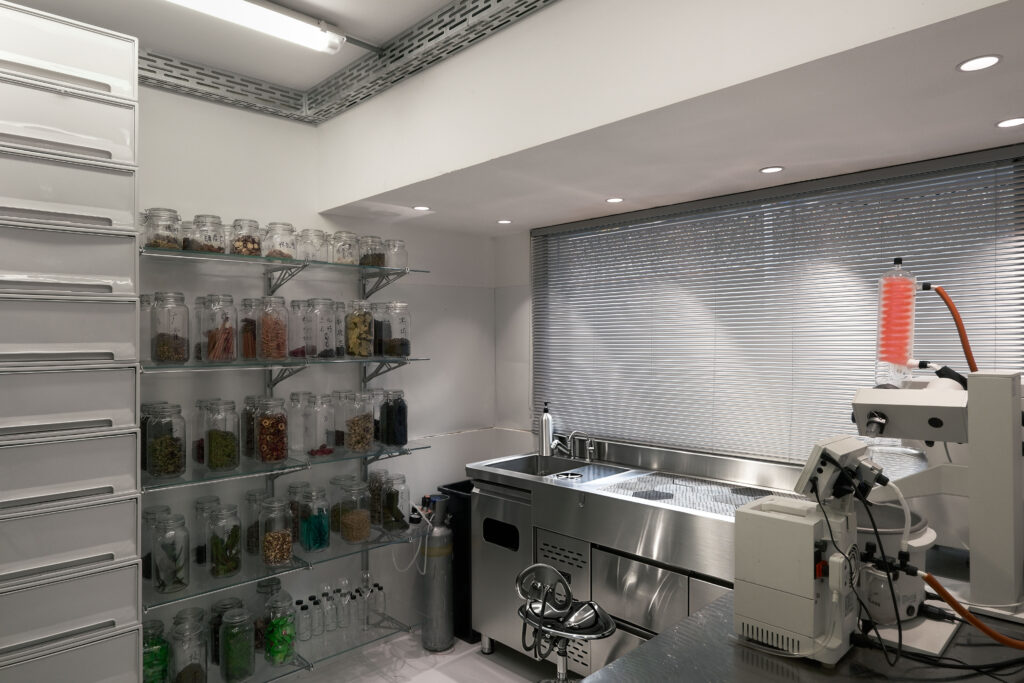
Chinese Room operates as a Chinoiserie-led cocktail bar positioned against international benchmarks, focused on how Eastern and Western ideas coexist. It was the first of its kind locally, and its design has drawn both industry and guests from abroad, creating exchange rather than imitation. Re-Social is retro-futurist, built around the evolution of classic cocktails in a more community-driven setting. La Beato centres on Egyptian-inspired mysticism. As the first bar on Hongshun Street, its consistency and talent development over five years helped turn the area into a concentrated bar district. Wiki Wiki is a social, high-energy tiki space built around island and jungle references. It is deliberately uncomplicated and built around enjoyment. Shake Lab functions both as an industry facility and a bar. It allows for R&D, guest shifts, and gives consumers direct visibility into how cocktail ingredients are made.
Re-Social
Chengdu is still largely overlooked internationally compared to cities like Shanghai or Hong Kong. From your perspective, what are people outside China getting wrong about Chengdu’s bar scene.
There are two common misconceptions. First, that Chengdu is behind in both cocktail quality and service. That is no longer accurate. Through sustained exchange with the international bar community, the gap has narrowed significantly. Second, that Chengdu is dominated by “Instagram bars”. Lower operating costs allow operators to execute ideas more completely. That visibility is not a weakness. It has helped bring cocktail culture out of a niche space and into a wider audience.
Building a bar culture within China comes with its own realities. What have been the biggest challenges in developing talent, maintaining consistency, and creating bars that can stand on a global level.
There are three main challenges. Language remains a barrier when dealing with international guests. Bartenders are trained within a Western spirits framework, so working with Chinese spirits requires a complete shift in thinking. The industry relies heavily on house-made ingredients, but standardising production and maintaining consistency is difficult. We now rely on SOPs and testing equipment to control outcomes.
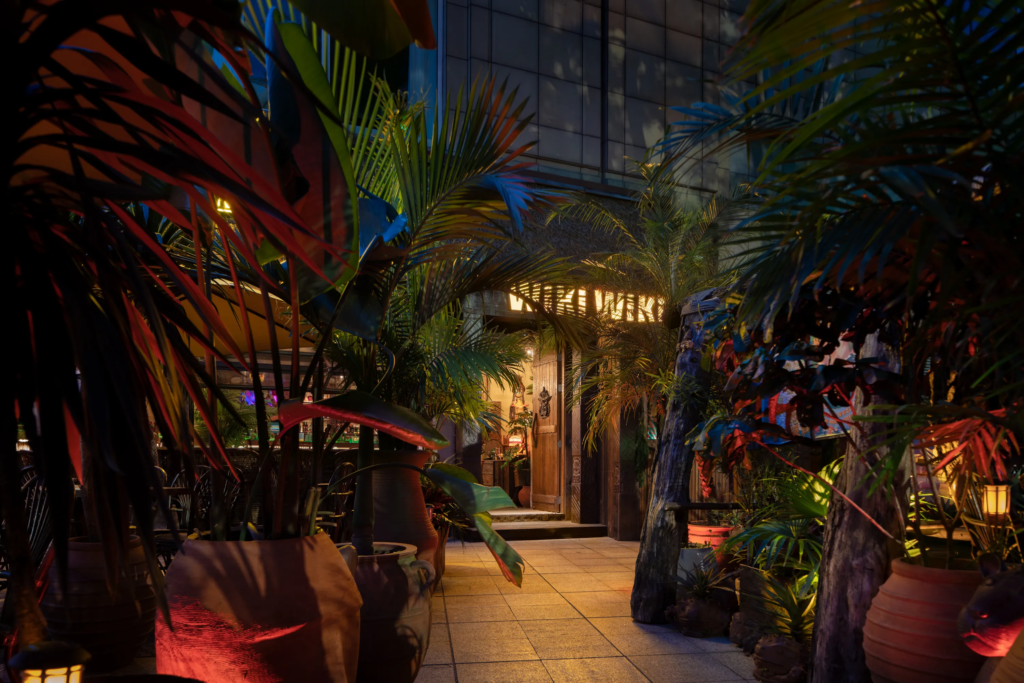
Wiki Wiki
There is a strong sense of local identity in Chengdu, from food to lifestyle. How do you translate that into your bars without making it feel forced or overly conceptual.
Chengdu’s identity sits in the overlap between lifestyle philosophy and social texture. We avoid obvious symbols like pandas or Sichuan cuisine because they reduce the city to clichés. Instead, we work with flavour, particularly mala, and integrate local food like Zhong dumplings into bar offerings. Service reflects the city’s natural ease and openness, which is a more honest expression of Chengdu.
Many of your bars explore different aesthetics and themes, from retro futurism to Egyptian influences. How important is storytelling and design in attracting both local guests and international travellers.
Design is not secondary, it is fundamental. Guests choose bars for different reasons, but space is often the deciding factor. We treat the bar as a complete sensory system, covering sight, sound, taste, smell, and touch. The aim is not decoration but immersion, where guests leave with a clear and lasting memory.
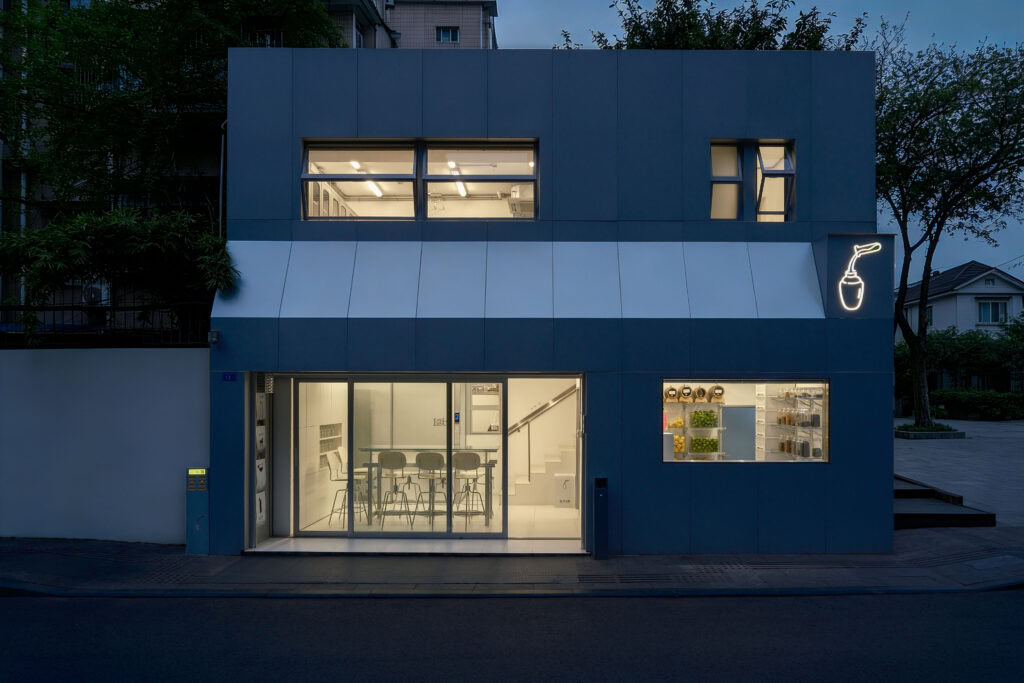
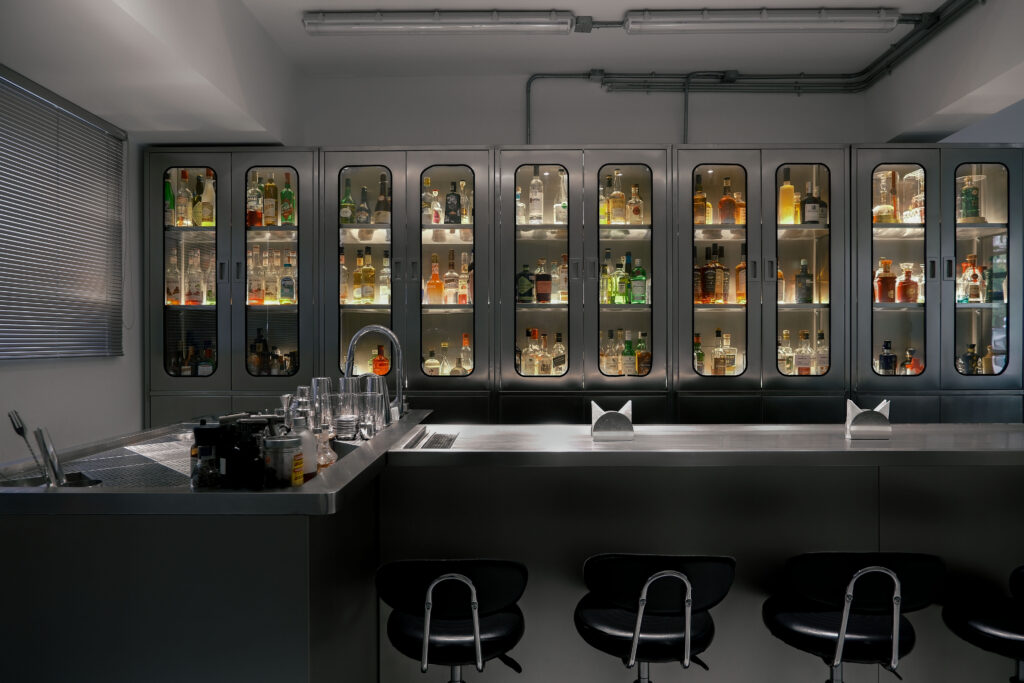
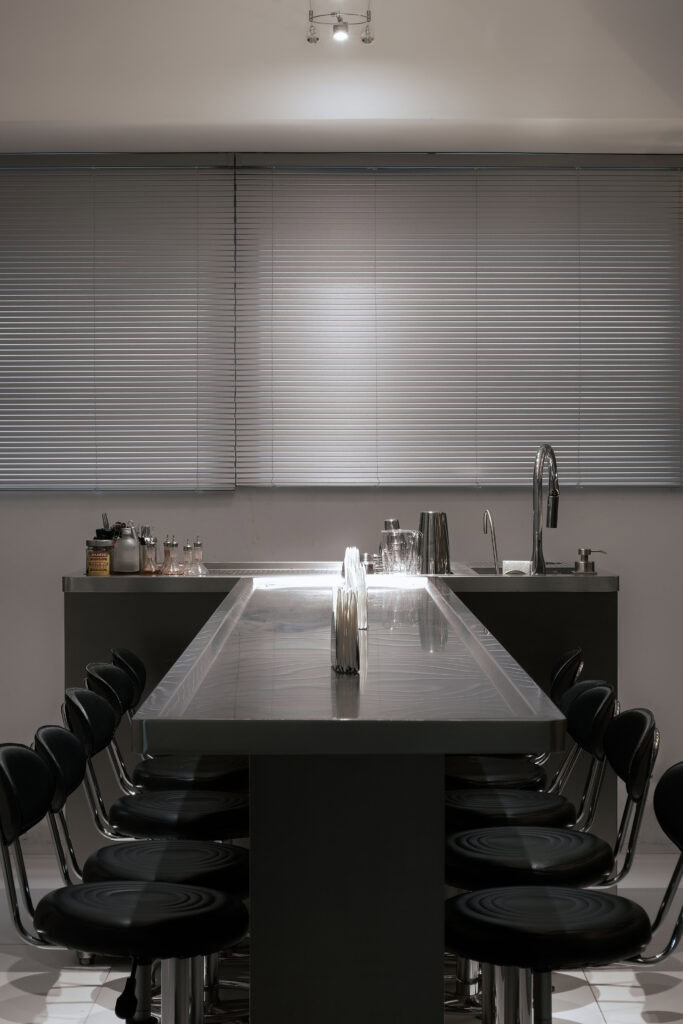
Shake Lab
As someone actively shaping the scene, what does “internationalising” Chengdu’s bar culture actually mean to you, and what still needs to happen for the city to be taken seriously on a global stage.
Chengdu is still less recognisable than pandas or Sichuan cuisine. To move it forward, three things are necessary. First, the city needs to redefine its cultural core beyond those surface-level identifiers and build a clearer contemporary narrative. Second, international engagement needs to be sustained and deliberate. It is not about short visits, but about bringing industry figures in for deeper exposure to the full ecosystem, from bars to tea houses to daily life. Third, there must be venues and individuals capable of engaging internationally and representing the city beyond its borders.
For industry professionals and travellers considering Chengdu, how would you want them to experience your bars, and what kind of impression should they leave with after a night in the city.
A day in Chengdu is straightforward. Pandas, Wuhou Shrine, or Dujiangyan in the morning, tea houses in the afternoon, hotpot or Sichuan cuisine for dinner. From there, the night begins at Chinese Room. We run a shuttle service so guests can move across all five venues without friction. What they should take away is simple. Chengdu is relaxed but not passive. It is open, but also ambitious. The goal is for one night to be enough to understand that balance, and to remember it.