Steam rises from a split hotpot, chilli oil sitting thick on the surface while tripe curls and beef slices firm up, chopsticks moving in steady rhythm across the table. Meals in Chengdu run long, dishes arriving in rounds, tea refilled without pause, and the table left intact until the last person finishes eating. Sichuan cooking drives this pace through contrast, chilli heat softened by sugar, numbing peppercorn following later, vinegar cutting through oil, and fermented pastes sitting underneath to hold everything together. Few cities organise pleasure with this kind of structural logic. Chengdu does it across every part of the day.
Chengdu Attractions: Pandas, Sanxingdui and the Leshan Giant Buddha
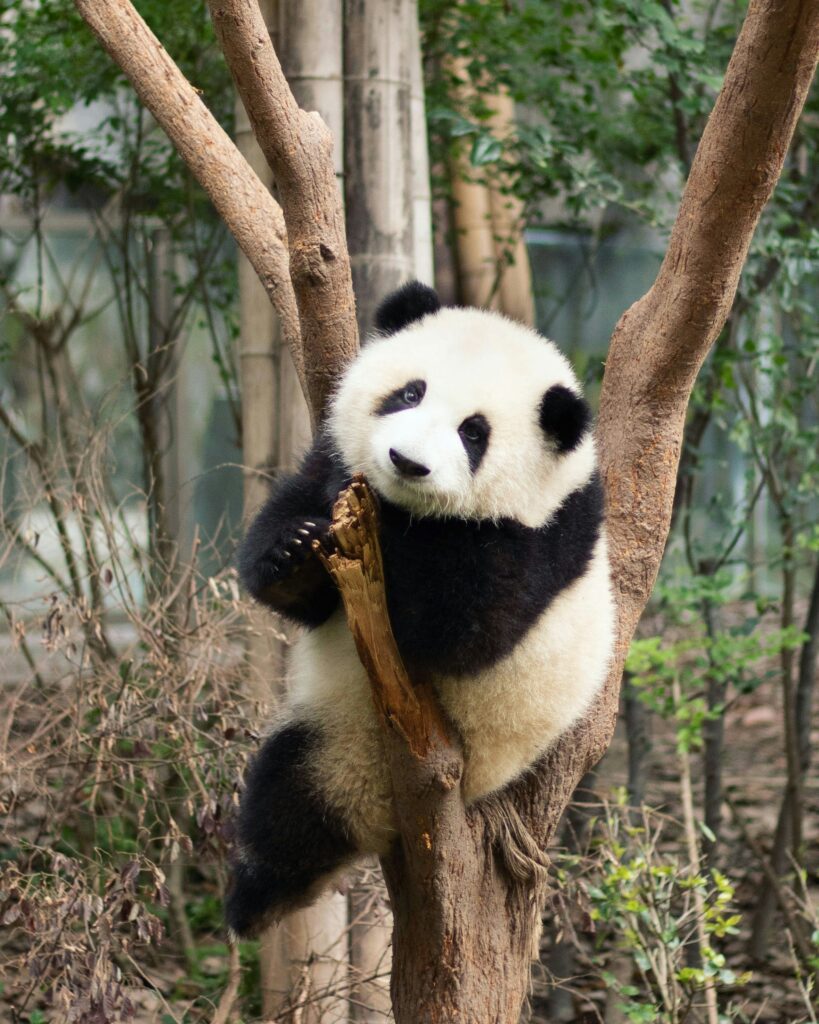
The Chengdu Research Base of Giant Panda Breeding (成都大熊猫繁育研究基地) works best early in the morning, when pandas are feeding and active before they retreat and the walkways slow with crowds. Arrive before 9am to see them at their most engaged; by late morning the enclosures are warm and the animals have largely settled into sleep. The base is about 10km north of the city centre, reachable by metro on Line 3 to Panda Avenue station.
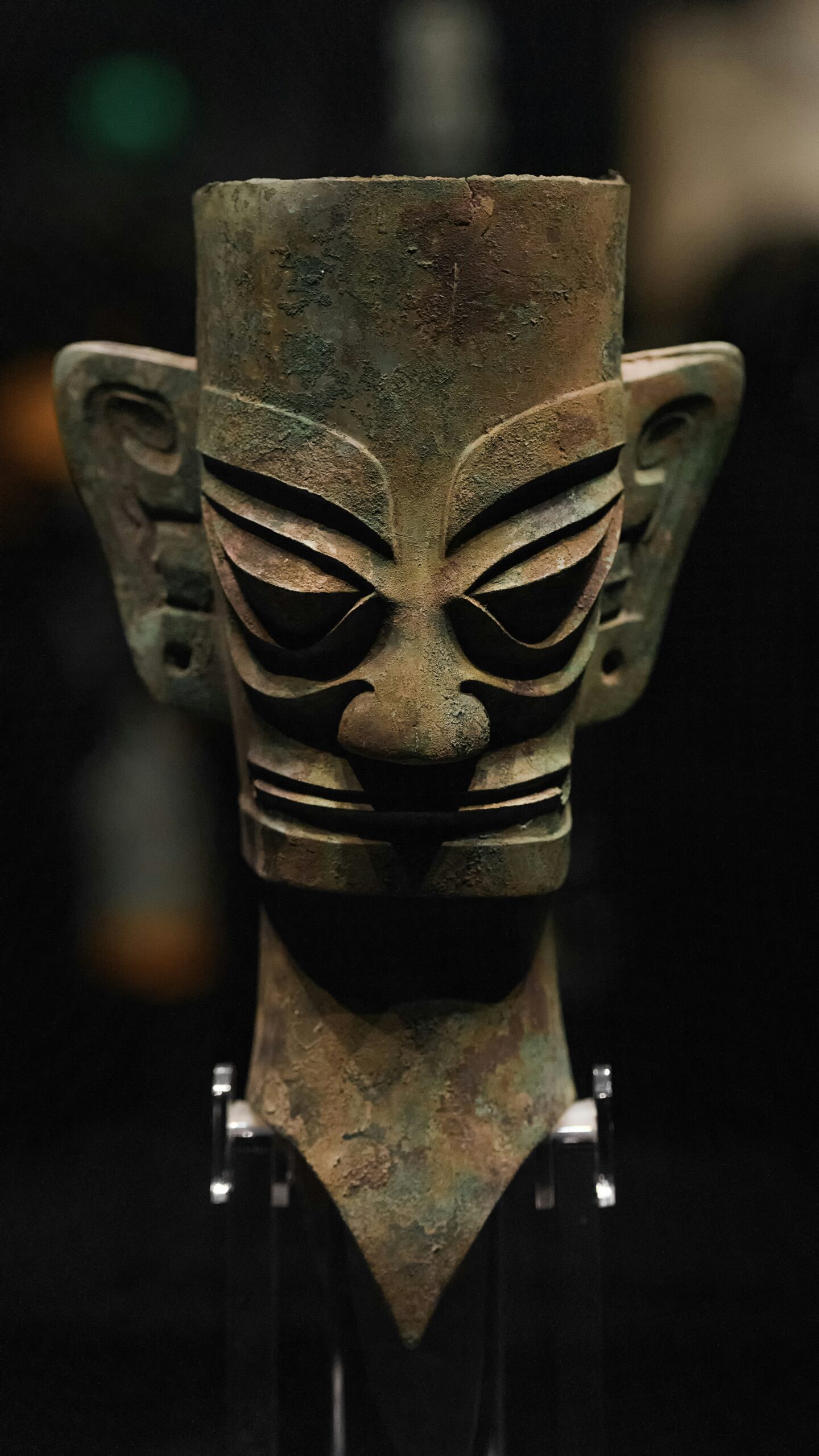
At Sanxingdui Museum (三星堆博物馆), bronze masks carry oversized eyes and sharp, unfamiliar forms that do not match artefacts from central China, pointing to a separate visual language entirely. The museum is approximately 40km north of Chengdu and is best visited as a half-day trip; the new exhibition halls opened in 2023 and significantly expanded what is on display. The Leshan Giant Buddha (乐山大佛), carved into a cliff face above the river confluence, is best viewed from below by boat, where its full scale fills the frame and removes any sense of the decorative. Leshan is roughly 130km southwest of Chengdu, reachable by high-speed rail in under an hour.
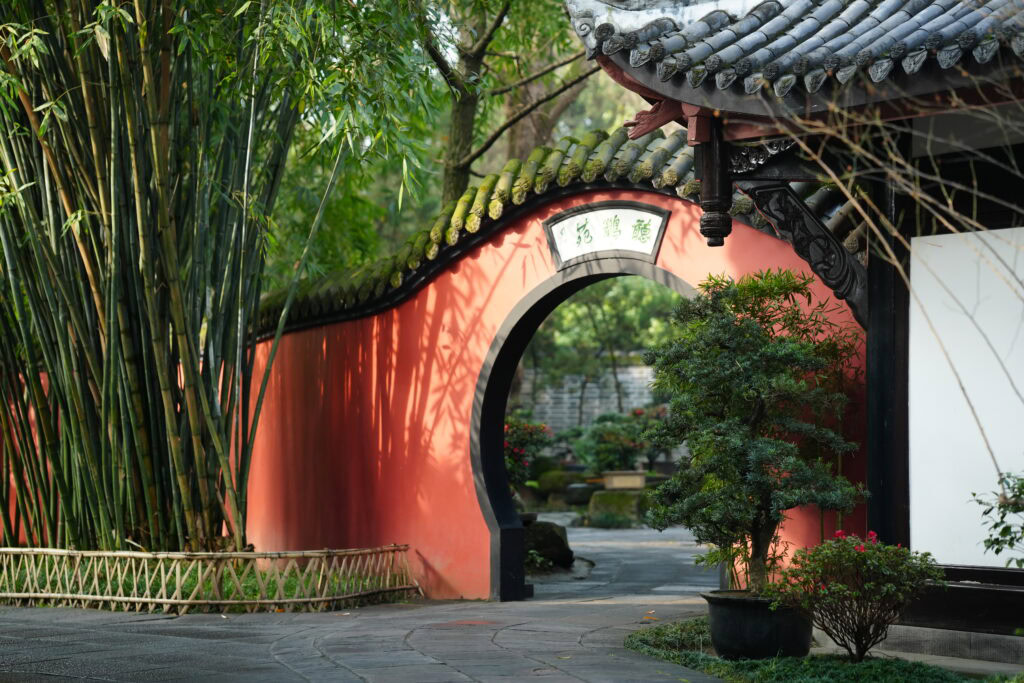
Wuhou Shrine (武侯祠) centres on figures from the Three Kingdoms period, where statues and inscriptions draw as much from the Romance of the Three Kingdoms as from recorded history, blending storytelling with record. It sits adjacent to Jinli Old Street, making the two natural companions for a single afternoon.
Practical Notes:
- Chengdu Research Base of Giant Panda Breeding: open daily 7:30am–6pm; metro Line 3 to Panda Avenue.
- Sanxingdui Museum: open Tue–Sun 9am–8pm; coach or taxi from Chengdu; allow at least half a day.
- Leshan Giant Buddha: open daily 7:30am–6:30pm (peak season); high-speed rail from Chengdu South station.
- Wuhou Shrine: open daily 8am–9pm; metro Line 3 to Gaoshengqiao; combine with Jinli Old Street in the same afternoon.
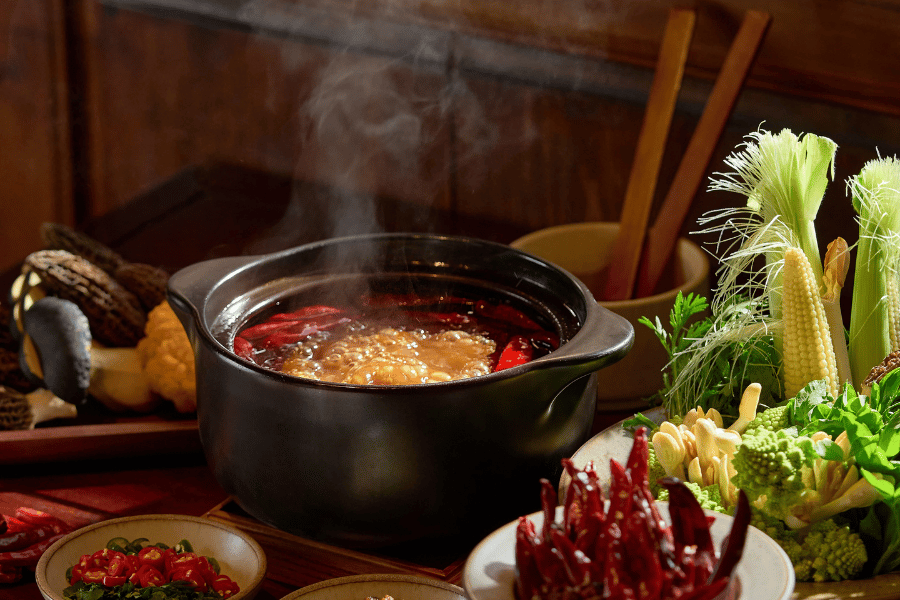
Chengdu Hotpot and Sichuan Cuisine: Where to Eat
Sichuan cooking is not a single register. The cuisine operates through contrast, fat and acid, heat and sweetness, numbing pepper and mineral bitterness, and the restaurants that understand this build meals that shift in flavour from the first round of ingredients to the last. Hotpot is the clearest expression of that logic, because the broth itself changes as the meal progresses, thickening with fat and chilli oil until the later rounds arrive heavier and more insistent than the first.
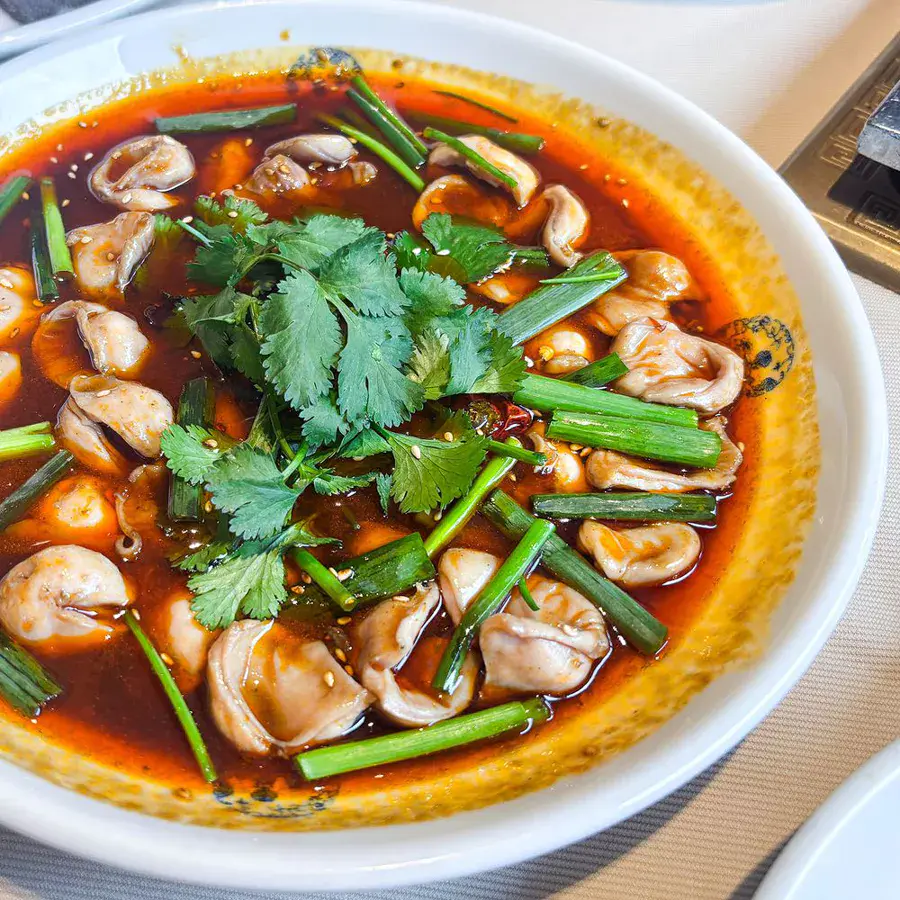
Wu He Hotpot (吴合火锅) centres on offal, with tripe, duck intestine and beef slices forming the core of the meal, cooked in a broth that thickens as fat and chilli oil build, making later rounds stronger and heavier. Longsenyuan Hotpot (龙森园火锅) handles the same ingredients with tighter preparation, offal cut evenly, rinsed clean and served fresh, and a broth kept lighter so tripe keeps its texture, liver tastes mineral, and intestine stays chewy. The two restaurants represent distinct philosophies within the same form: one cumulative and intensifying, the other precise and controlled.
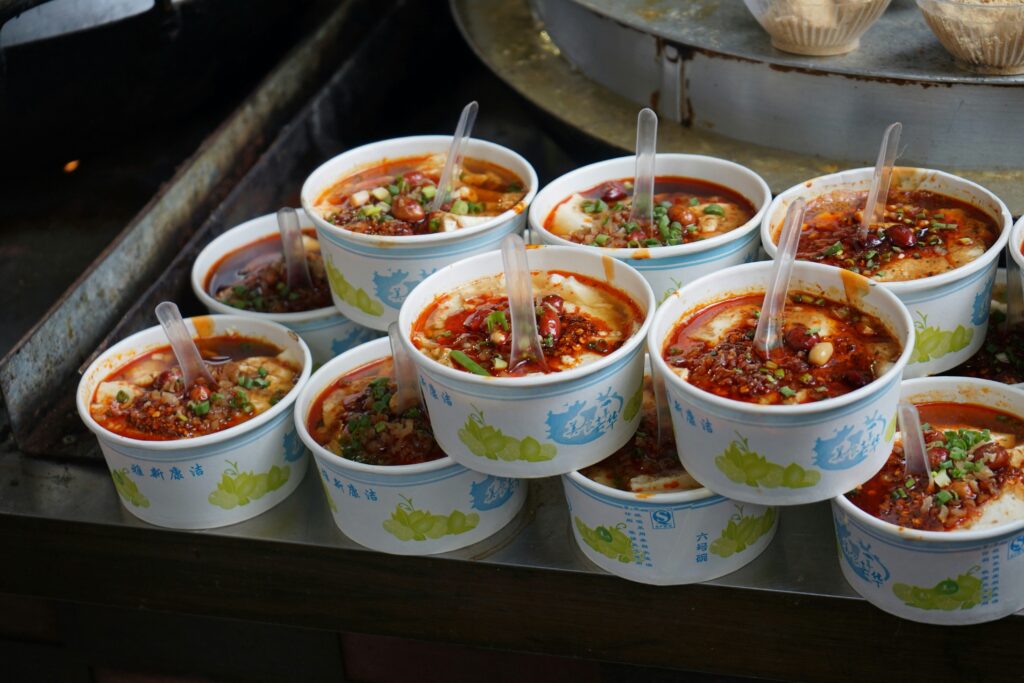
At Tong Jing Xiang (洞子巷), tian shui mian arrives as thick noodles coated in a dense sauce that grips each strand, sesame paste hitting first, followed by soy, sugar and chilli oil, with the numbing pepper building slowly after swallowing. Fu Rong Huang (芙蓉凰) prepares snowflake chicken purée by pounding and emulsifying chicken into a fine mixture, then cooking it gently so it holds shape while collapsing easily in the mouth, leaving a concentrated savoury finish. Ma’s Kitchen (马旺子) cooks kung pao chicken over high heat, diced chicken seared quickly, dried chilli releasing aroma in hot oil, vinegar added at the end to keep its sharp edge, peppercorn delivering a clean, tingling finish. At You Tu Tou (尤兔头), rabbit heads are braised in a spiced sauce and served whole, eaten by hand, pulling apart cheek, tongue and cartilage, where flavour comes from spice, bone and fat rather than meat volume.
Practical Notes:
- Wu He Hotpot / Longsenyuan Hotpot: reservations recommended evenings and weekends; most hotpot restaurants open from 11am through midnight with peak dining from 7pm to 9pm.
- Tong Jing Xiang / You Tu Tou: street-level casual dining; no reservation needed.
- Fu Rong Huang / Ma’s Kitchen: mid-range dining; reservations recommended for dinner.
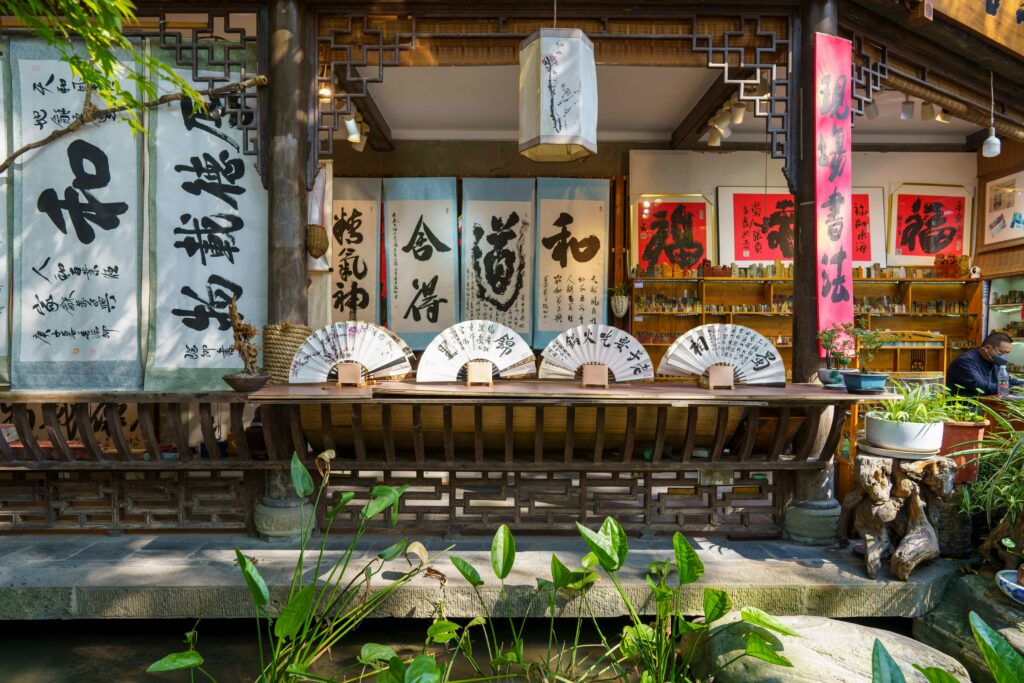
Chengdu Teahouses: A City That Runs on Tea
Teapots sit on nearly every table across Chengdu, lids angled slightly to signal refills, with attendants topping up cups without interrupting conversation. The teahouse is not a café equivalent — it is a social institution that operates on a different time logic, where an afternoon can stretch to evening without pressure. Chengdu’s historic teahouses cluster around Renmin Park and the older hutong-style lanes, where bamboo chairs, mahjong and brass-spouted kettles define the rhythm of the afternoon.
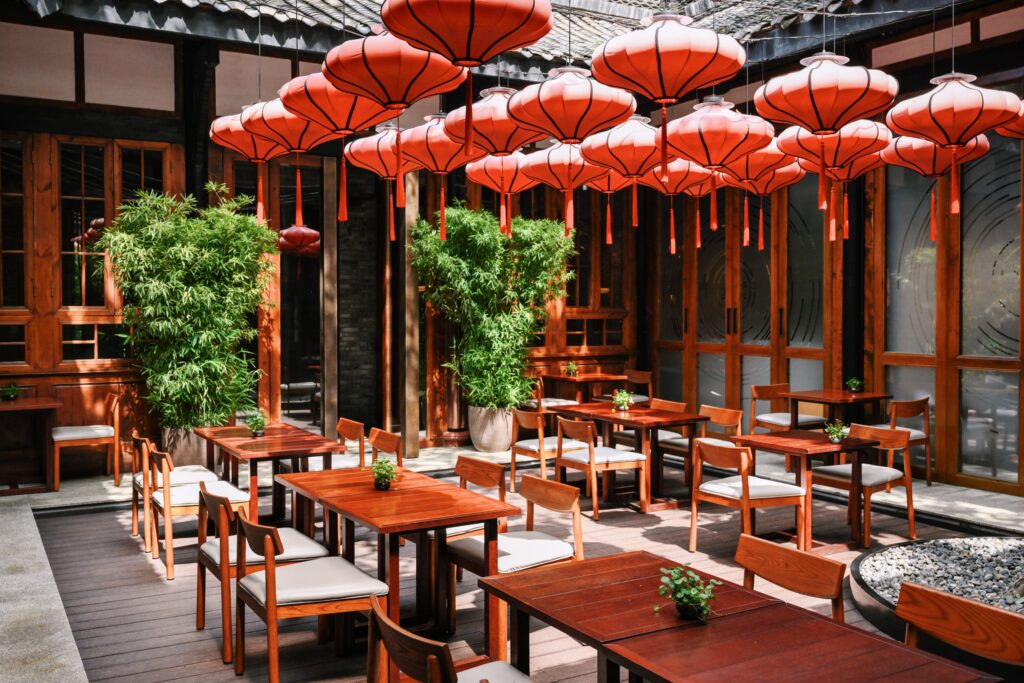
Mi Xun Teahouse (谧寻茶室) offers a quieter, more considered version of that tradition, with private rooms, a curated tea selection and a kitchen that builds dishes from seasonal vegetables, mushrooms and tofu, with broths reduced slowly and seasoning kept measured so each ingredient remains clear. It functions equally well as a meal or an extended afternoon stop. For visitors wanting to understand tea culture beyond the teahouse itself, the area around Wide and Narrow Alleys (宽窄巷子) offers the most accessible concentration, heritage architecture, traditional tea service and proximity to street food, all within walking distance.
Practical Notes:
- Renmin Park teahouses: open from late morning; no reservation needed.
- Mi Xun Teahouse: reservation recommended.
- Wide and Narrow Alleys: open daily; free entry to the lanes; best visited late afternoon to avoid peak crowds.
Chengdu’s Best Fine Dining Restaurants
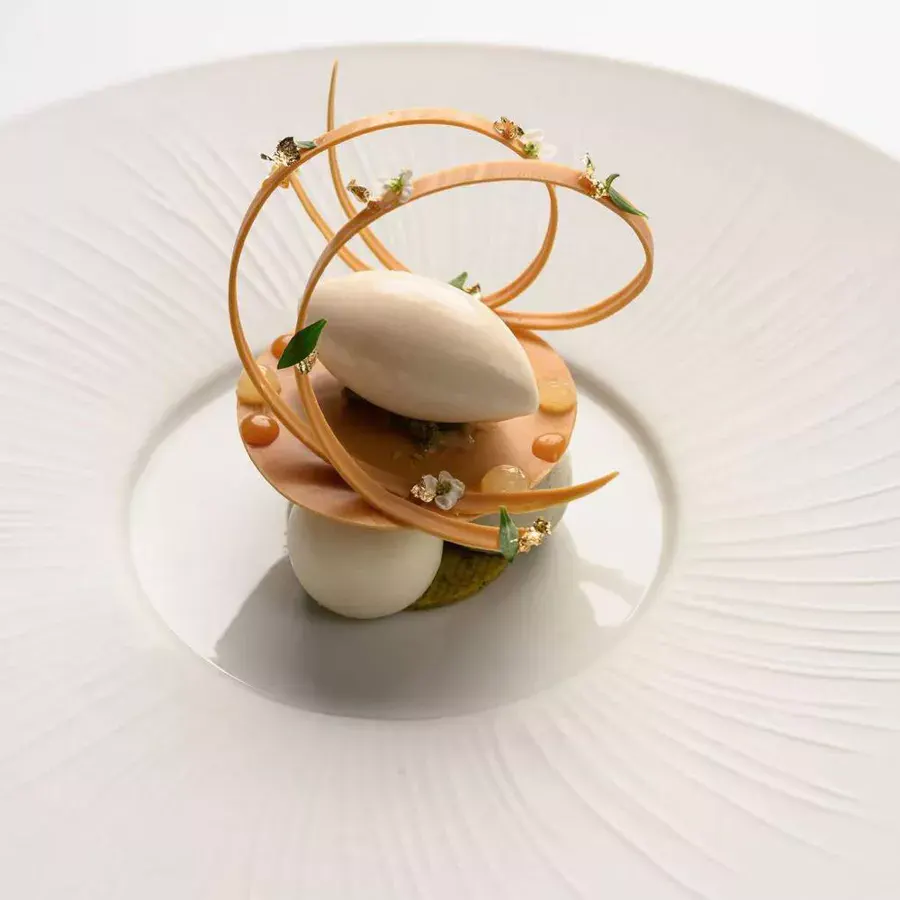
Beyond the teahouses and street-level cooking, Chengdu has a small but serious fine dining register that operates on its own terms, not imitating Western tasting formats, but applying precision and sequencing to Sichuan and broader Chinese ingredients.
The Hall by Louis Vuitton sends out courses in fixed sequence, plating consistent and pacing controlled from start to finish, with a dining room that carries the brand’s design sensibility into a formal meal. At Co (Co·餐厅), sauces are reduced separately and proteins cooked with precision, but components stay distinct on the plate, allowing each element to be tasted individually rather than in combination. Both sit within Chengdu’s upper dining register but approach formality differently, the Hall through orchestration, Co through separation and clarity.
Practical Notes:
- The Hall by Louis Vuitton and Co: reservations essential; smart casual dress appropriate.
Chengdu Bars and Nightlife: Cocktails, Clubs and Where to Drink
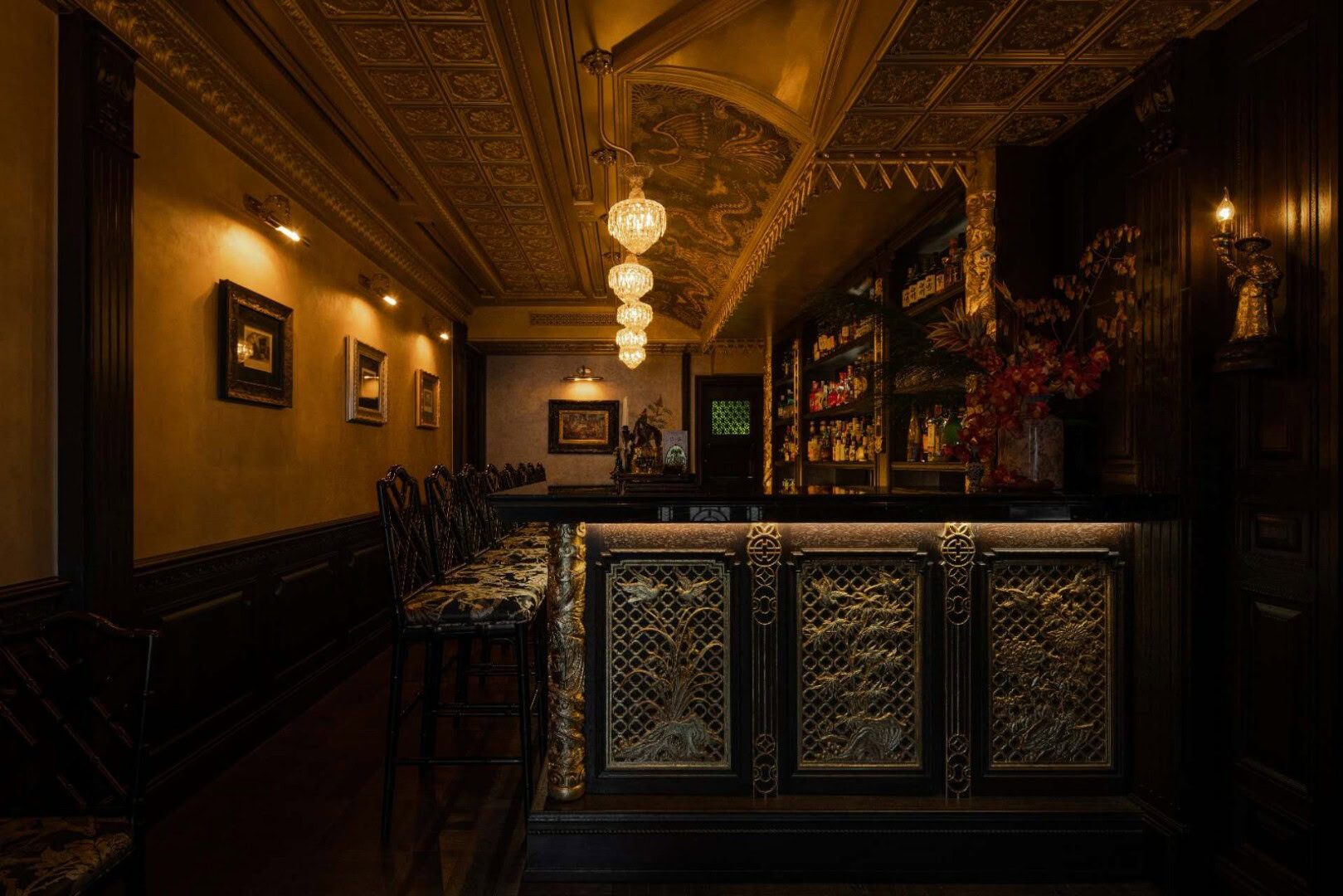
Chengdu’s bar scene is more sophisticated than its reputation suggests, and it is developing with a clarity of intent that distinguishes it from cities still working out what kind of drinking culture they want to have. The most useful entry point into that scene is through our conversation with Peter Peng, the operator behind five distinct concepts in the city, which covers the thinking behind each venue and how Chengdu’s bar culture is positioning itself globally. For the visit itself, the landscape divides roughly into craft cocktail bars and high-energy nightlife venues, and the city is compact enough to move between them in a single evening.
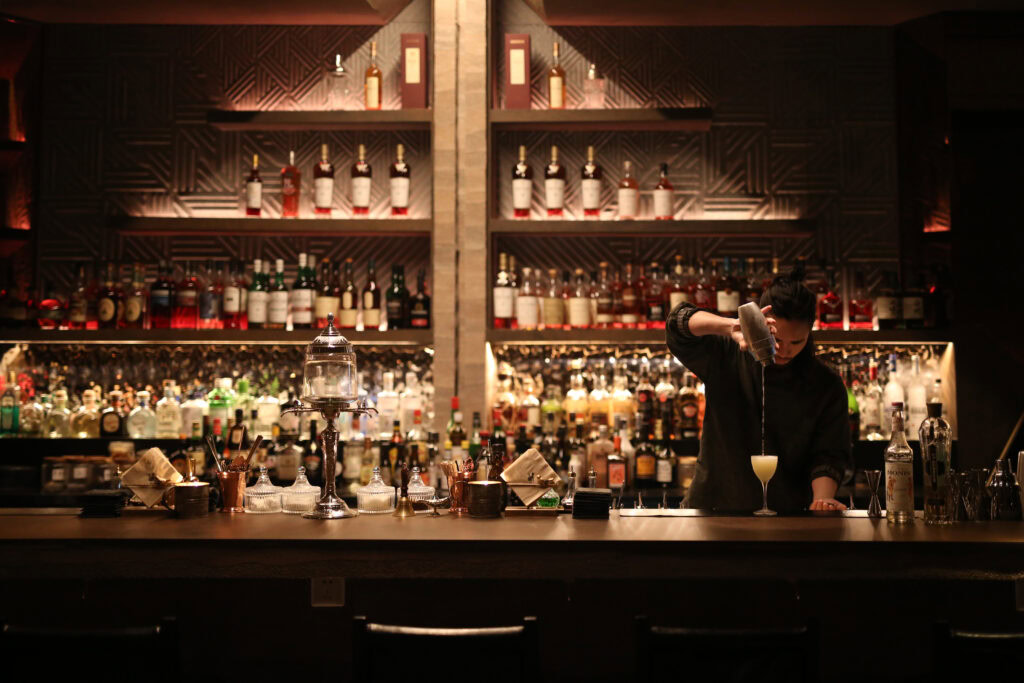
Chinese Room (夜鵑) builds cocktails from tea, dried herbs, baijiu and fruit peels, with drinks that open gradually, starting lighter and deepening as they sit. It is the most considered room in the city for a first drink. La Beato shifts the focus to atmosphere, Egyptian-inspired interiors, darker lighting and enclosed spaces, with the bar sitting within that sensory framework rather than dominating it. Re-Social and Wiki Wiki run louder and more crowded, drinks served quickly, menus built around familiar formats. Shakelab prepares drinks through clarification, infusion and controlled dilution, producing cleaner textures and consistent balance, it is the most technically focused room in the group and rewards guests who want to understand what is in the glass. Peter Peng’s five bars also run a shuttle service in a cool London cab between venues, making it straightforward to move across all five in a single night.
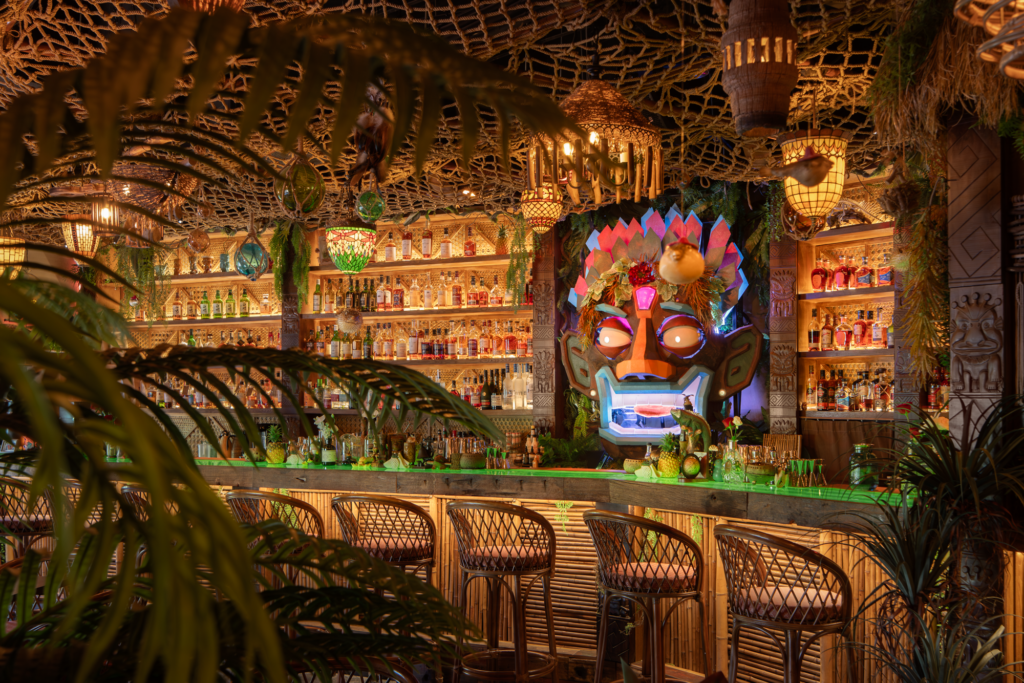
Junky’s Garage, Papuwa and Woody rely on space and sound, with open layouts and standing crowds. Mamacita draws a mixed international crowd with Western-format drinks and playlists, while Bamboo fills late, music loud and movement constant. Butterfly Club spreads across multiple rooms with different music styles and is a fixture of the city’s queer nightlife, its presence steady across weekends.
Practical Notes:
- Chinese Room, La Beato, Shakelab: reservations recommended.
- Re-Social, Wiki Wiki: walk-in friendly.
- Butterfly Club, Bamboo, Mamacita: entry fees vary on weekends; peak hours from midnight onwards.
- Hongshun Street: the most concentrated bar corridor in the city; walkable between most venues.
Where to Stay in Chengdu: Hotels for Every Style
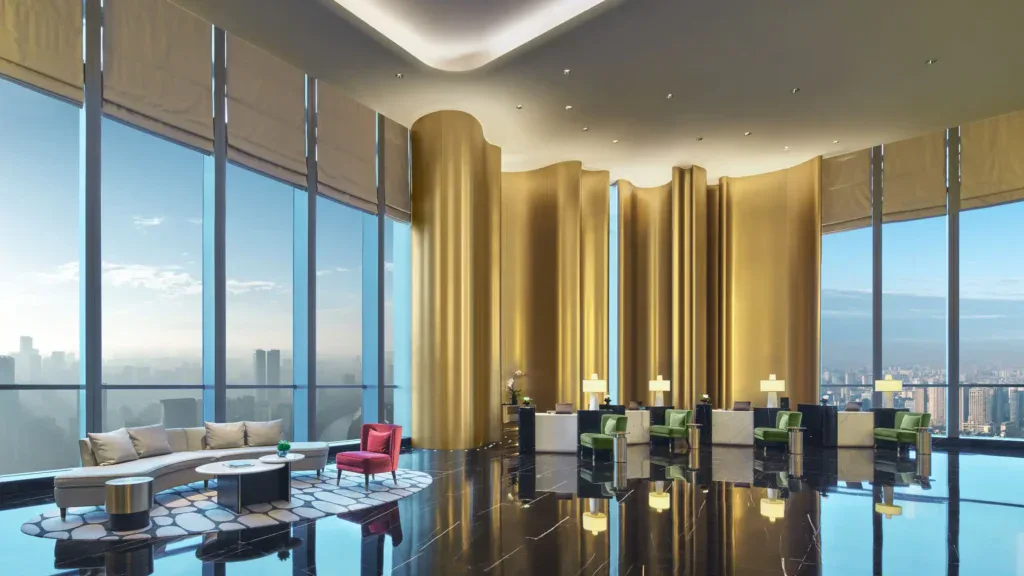
The two hotels that define the range of Chengdu accommodation are the Langbo and Upper House, one built for connectivity and ease, the other for spatial and architectural experience. The Langbo, Unbound Collection by Hyatt sits within a newer commercial district, connected directly to malls and main roads, making transit across the city straightforward. Rooms follow a standardised layout — full-height windows, work desks along the wall, bathrooms split into wet and dry sections — built for ease of use rather than variation. It is the more functional choice, particularly for visitors whose itinerary involves multiple day trips or early starts.
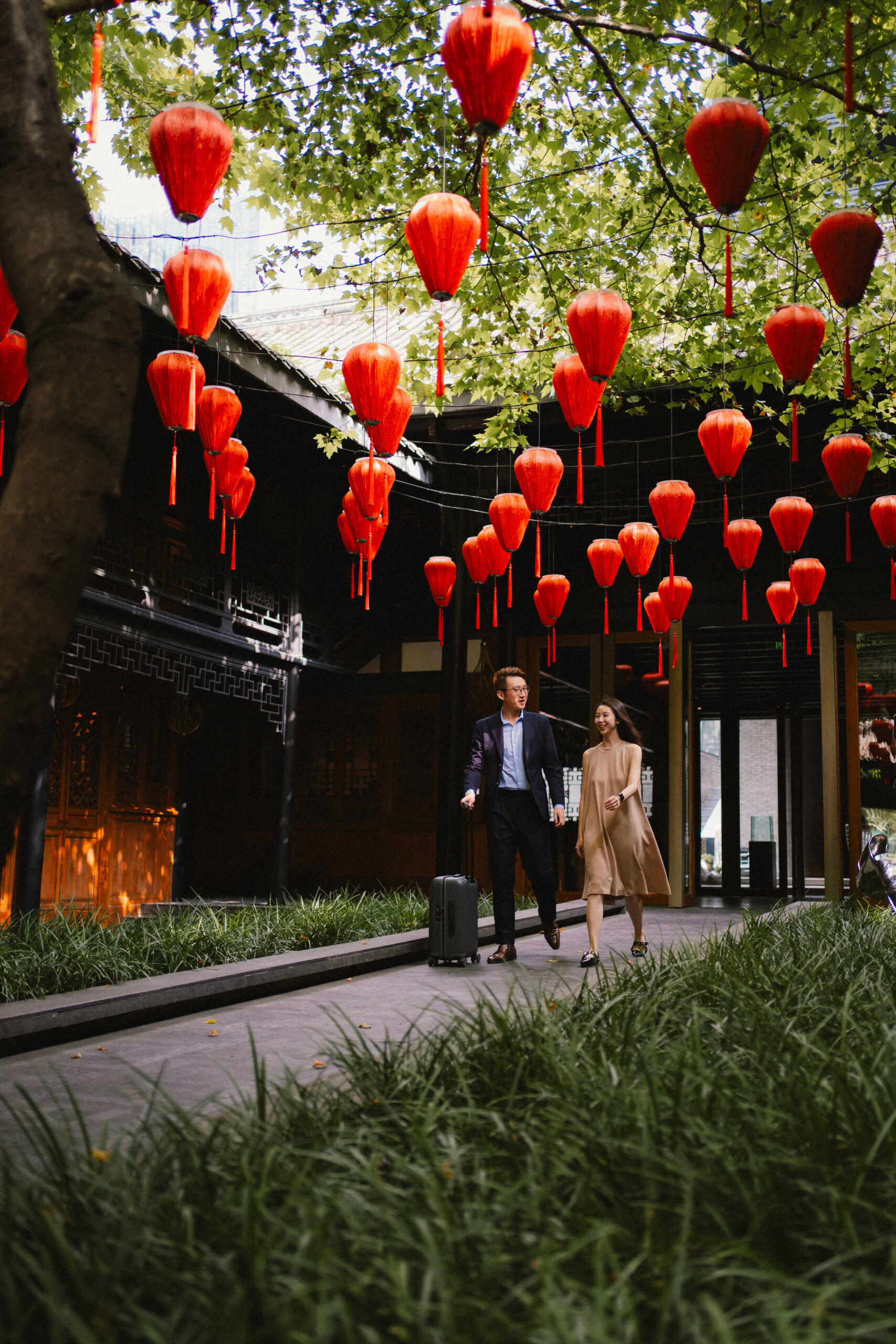
Upper House Chengdu is arranged around a restored courtyard within the Daci Temple district, entry moving through a low passage before opening into larger internal spaces. The layout follows a siheyuan structure, with open courtyards leading into enclosed interiors, each transition marked by shifts in light, ceiling height and material. Rooms use wood, stone and soft lighting, with large bathrooms, open layouts and minimal decoration, allowing space and proportion to define the stay. Dining and bar spaces are spread across the property, requiring movement between buildings and courtyards, linking each part of the hotel through walking rather than centralisation. For visitors whose priority is the quality of the stay itself, Upper House is the stronger argument.
Practical Notes:
- Upper House Chengdu: Daci Temple district; restaurant and bar on property; walking distance to Taikoo Li.
- The Langbo, Unbound Collection by Hyatt: newer commercial district; direct mall access; metro connected.
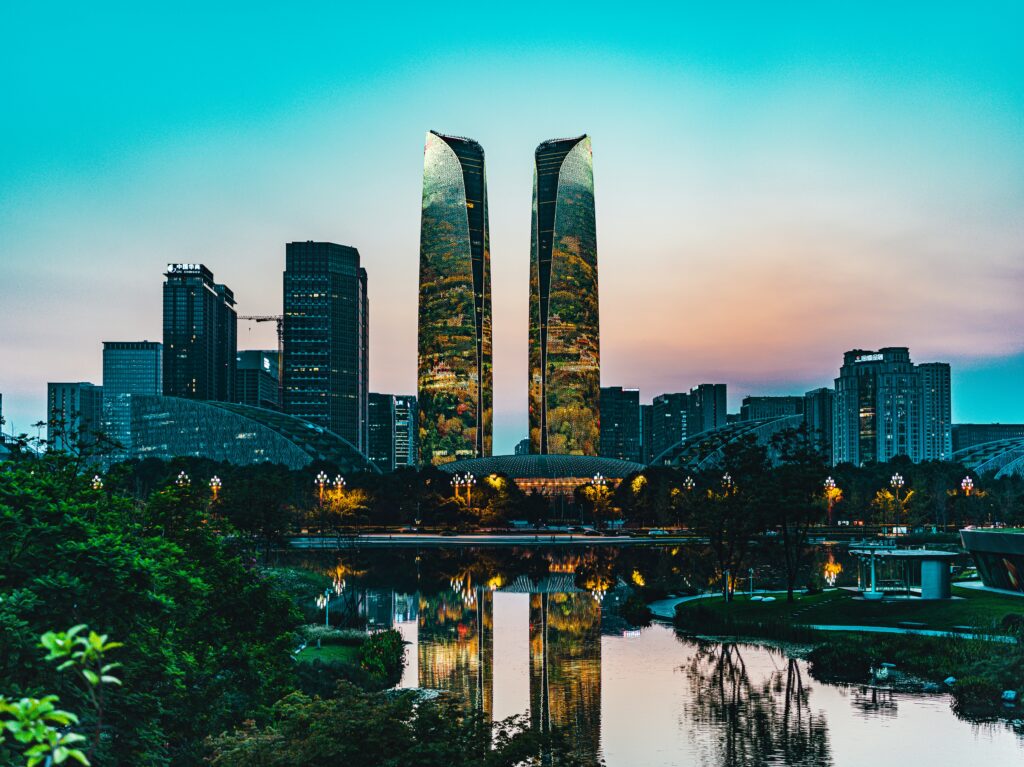
Back at the table, broth is topped up again, chilli oil darkening slightly as more ingredients go in, tea poured without asking, and the same movements repeat across different meals and different parts of the city, from street stalls to dining rooms to late-night tables. Plates empty and refill, chopsticks move between shared dishes, and conversations carry through as food arrives in rounds, the pace holding steady from afternoon into night, until eating, drinking and moving through the city begin to follow the same pattern without interruption. That continuity is what Chengdu rewards most: not a sequence of highlights, but a city that sustains its own rhythm across everything it does.
For a deeper look at Chengdu’s cocktail scene, read our conversation with Peter Peng on building a bar culture that refuses to be overlooked.