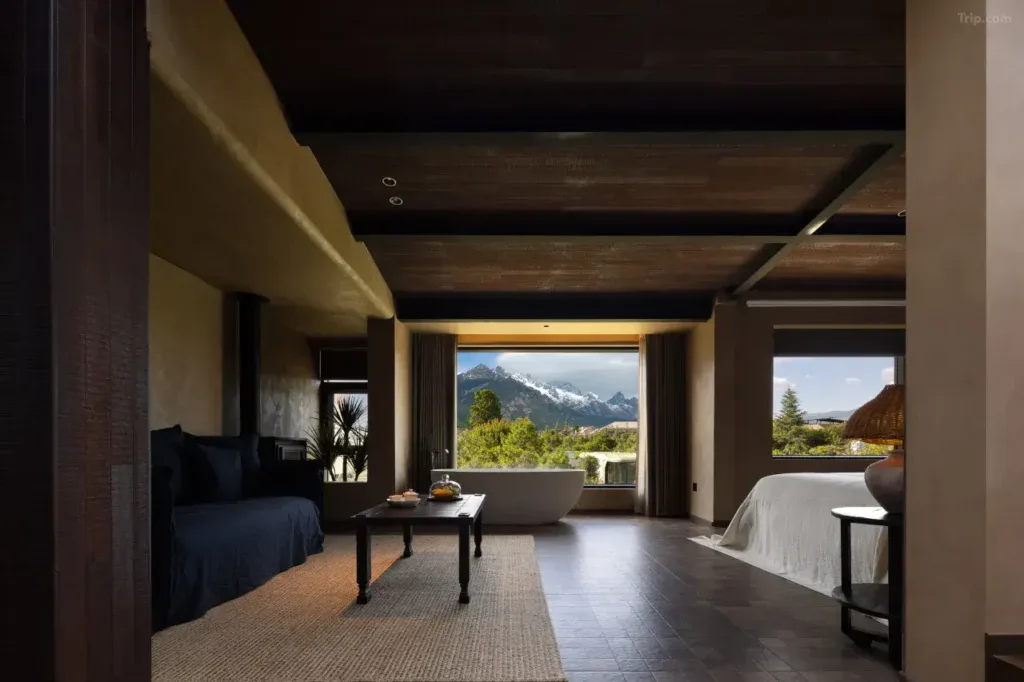
March places these cities into a workable band where Chengdu holds steady at temperatures that allow full days on foot around Taikoo Li and Chunxi Road without fatigue, while Lijiang’s elevation drops temperatures enough for cold mornings and evenings that change how the day is paced. Shenzhen remains dry, making movement between Futian and Nanshan predictable, and Hong Kong sits in a period where tables at restaurants and seats at bars can still be secured without extended lead time. The day becomes linear rather than fragmented, moving from late morning coffee into lunch districts, returning for a reset, then heading back out for dinner and bars without needing to account for long transit gaps. These hotels work because they remove distance, manage access, and reduce dependence on transport, allowing time to be spent on food and neighbourhoods rather than logistics.
Raffles Shenzhen
Elevation over Shenzhen Bay with Cantonese cooking built around seafood.
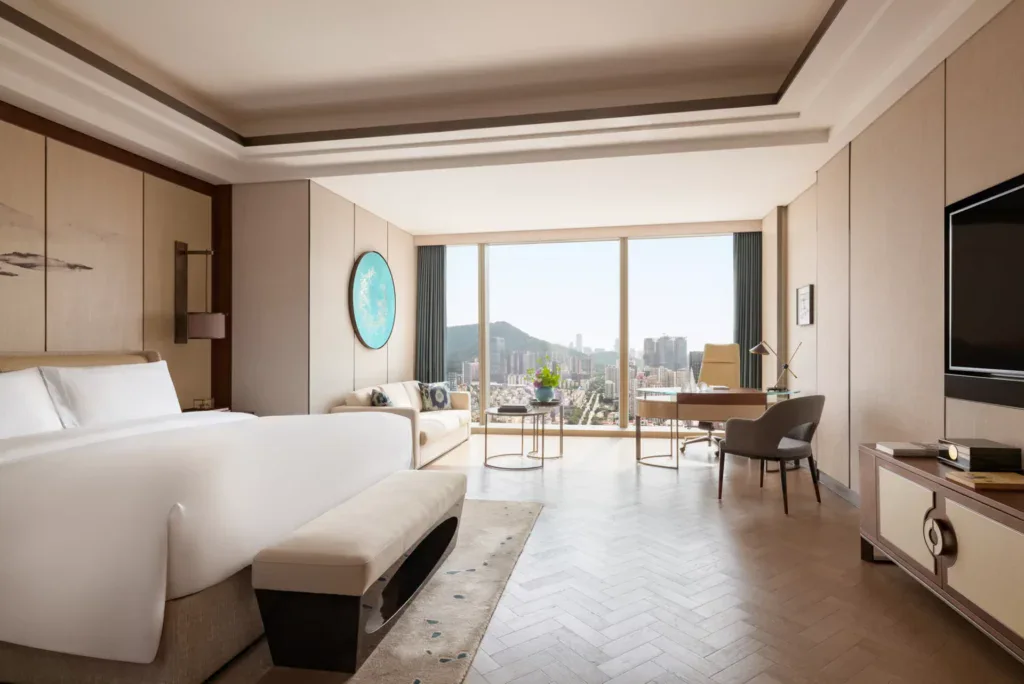
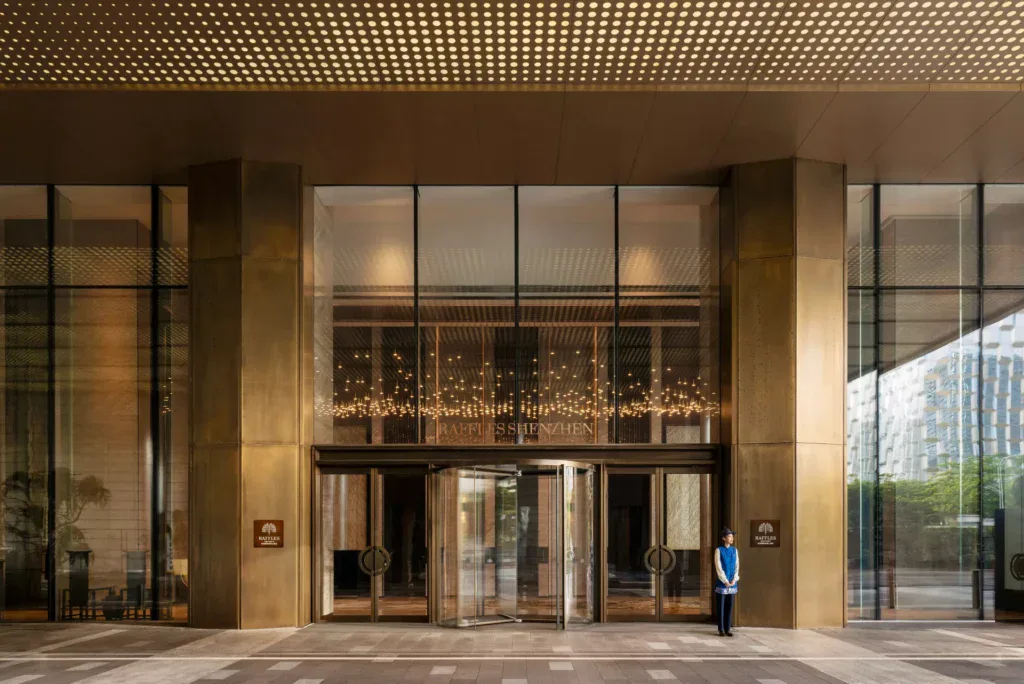
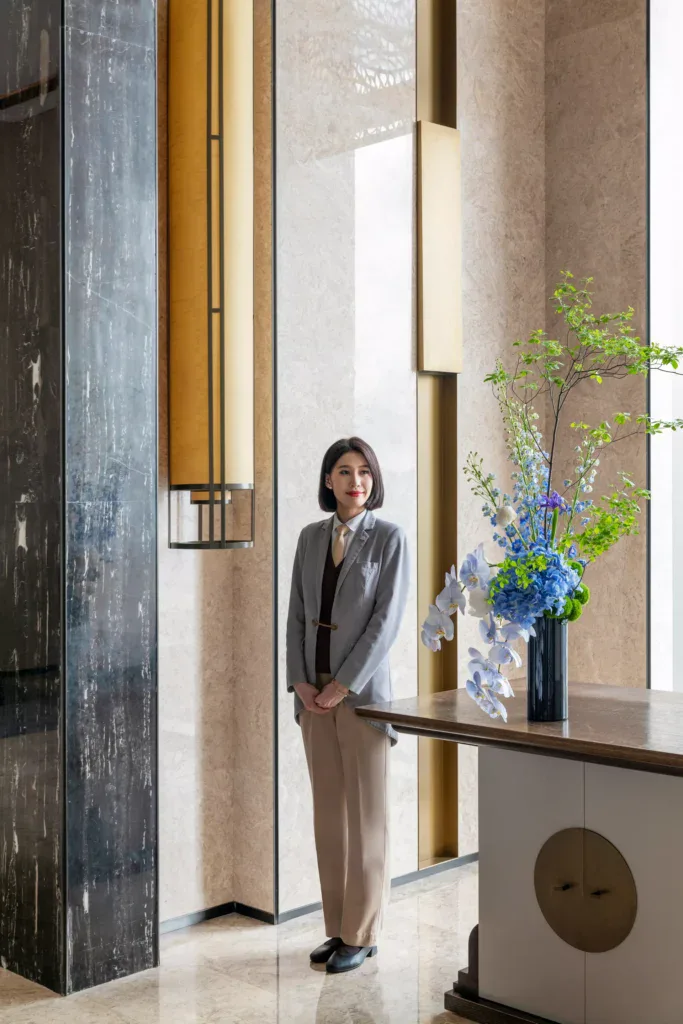
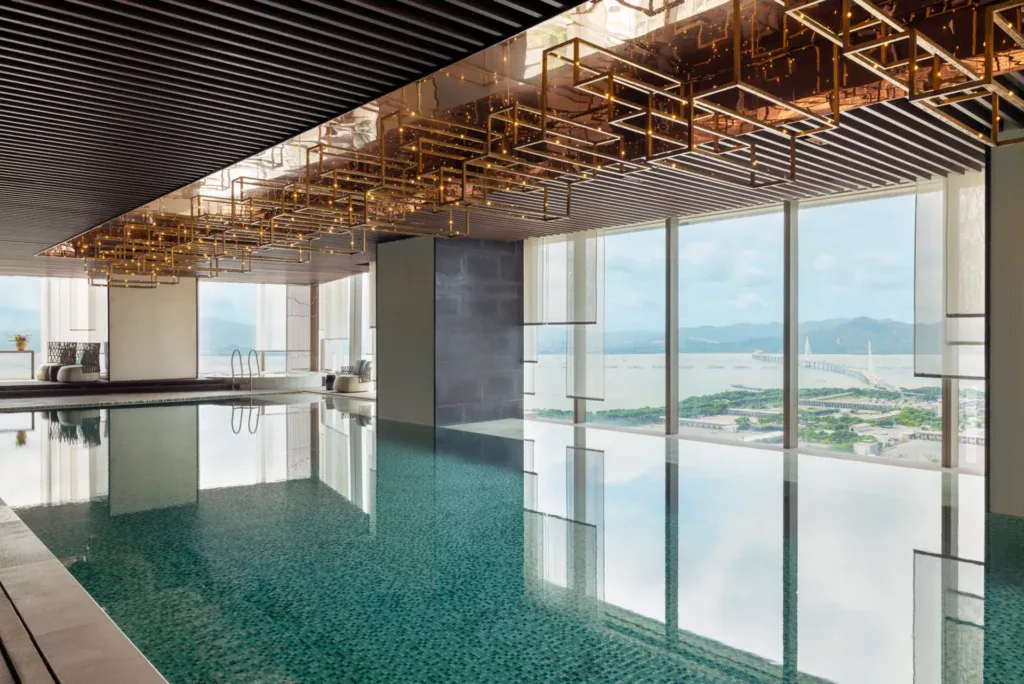
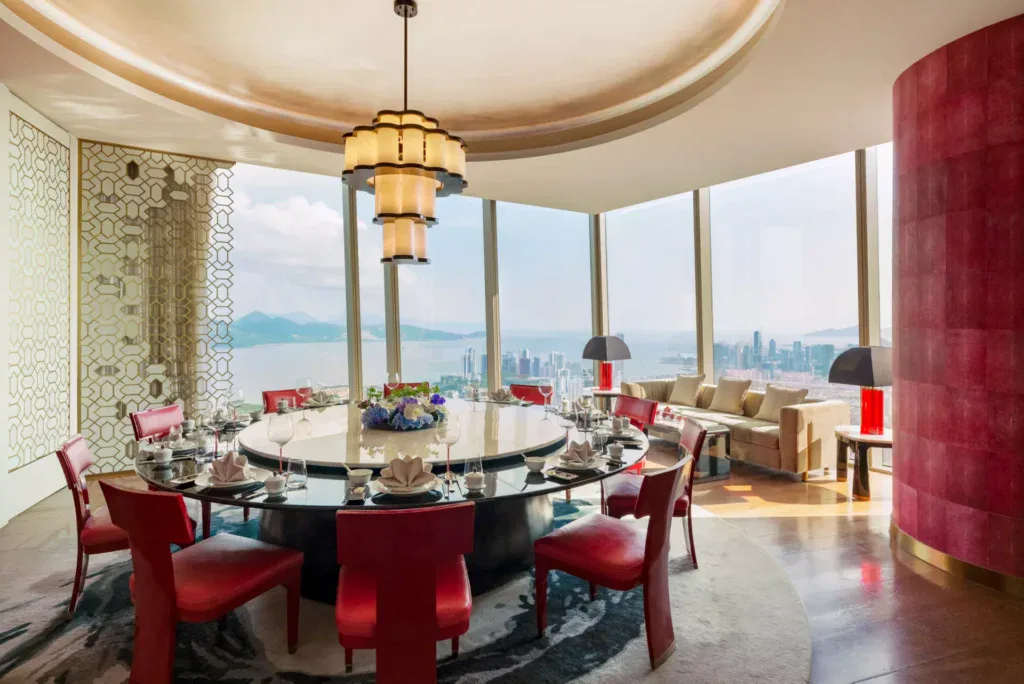
Positioned within One Shenzhen Bay, the hotel sits high above the coastline, with rooms oriented towards Shenzhen Bay and the Hong Kong border, creating physical distance from the city’s pace below. This elevation is not cosmetic, as it changes how the room is used, with wide glazing and deep soaking tubs making the view part of the stay rather than an afterthought. Butler service operates through coordination, handling arrival timing, unpacking, and restaurant reservations so transitions across the day do not break flow. Yun Jing anchors the experience with seafood prepared through steaming and light sauces, where texture and natural sweetness are maintained instead of masked, making it a place that holds attention beyond convenience dining.
Highlights: Bay-facing elevation, seafood-led Cantonese cooking at Yun Jing, and butler service that supports daily movement.
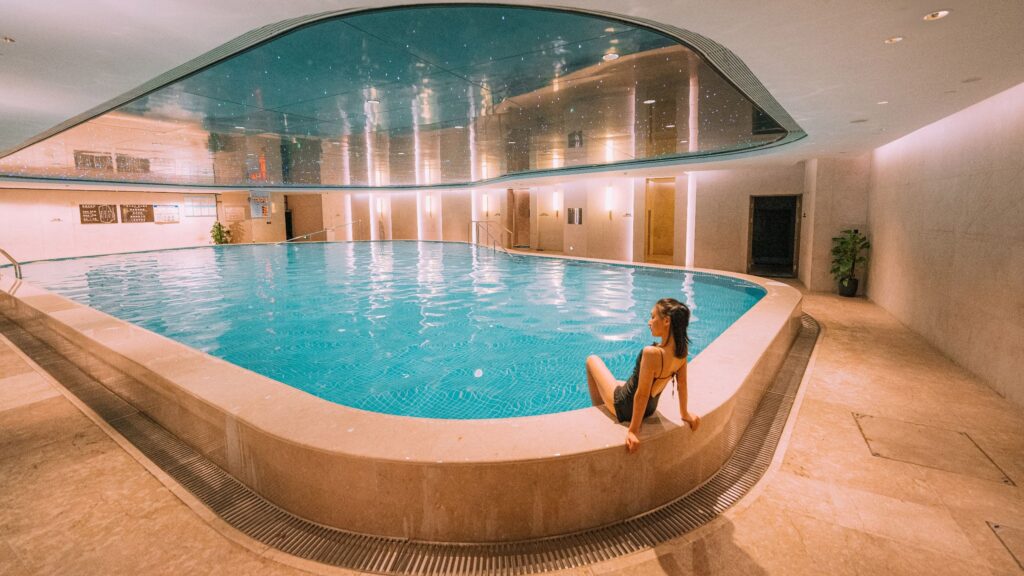
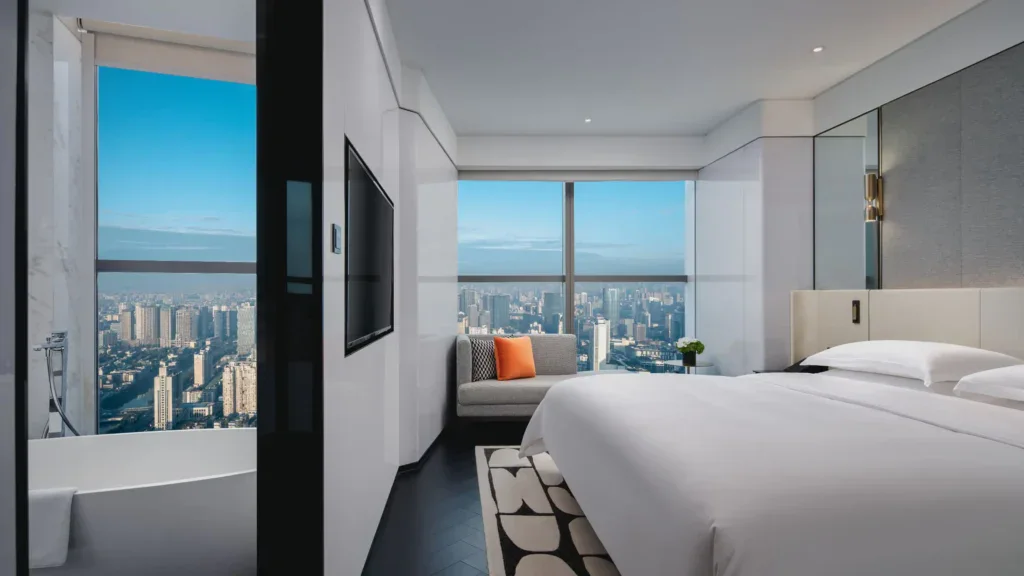
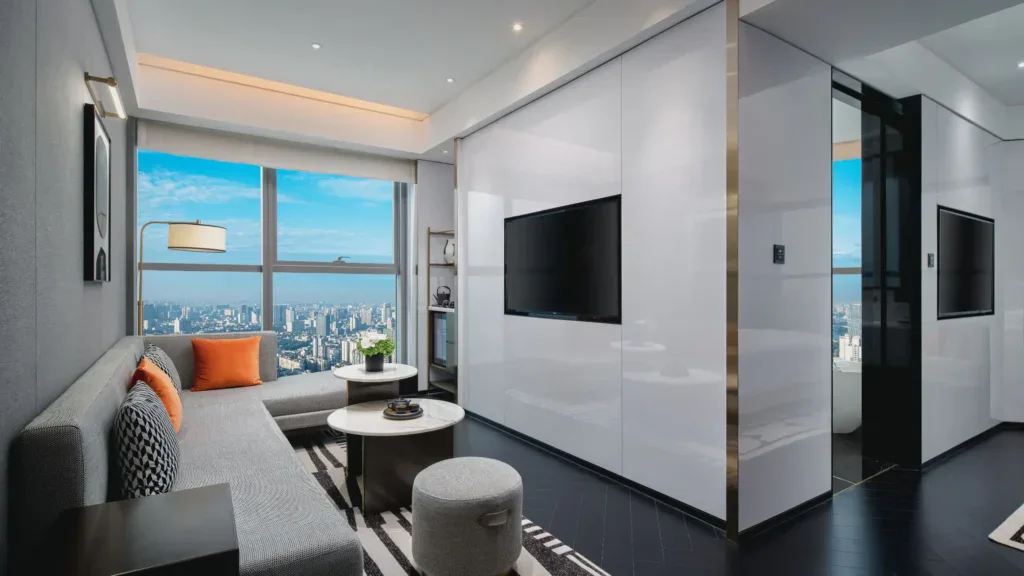
The Langbo Chengdu
Immediate access to Taikoo Li and Chengdu’s busiest dining streets.
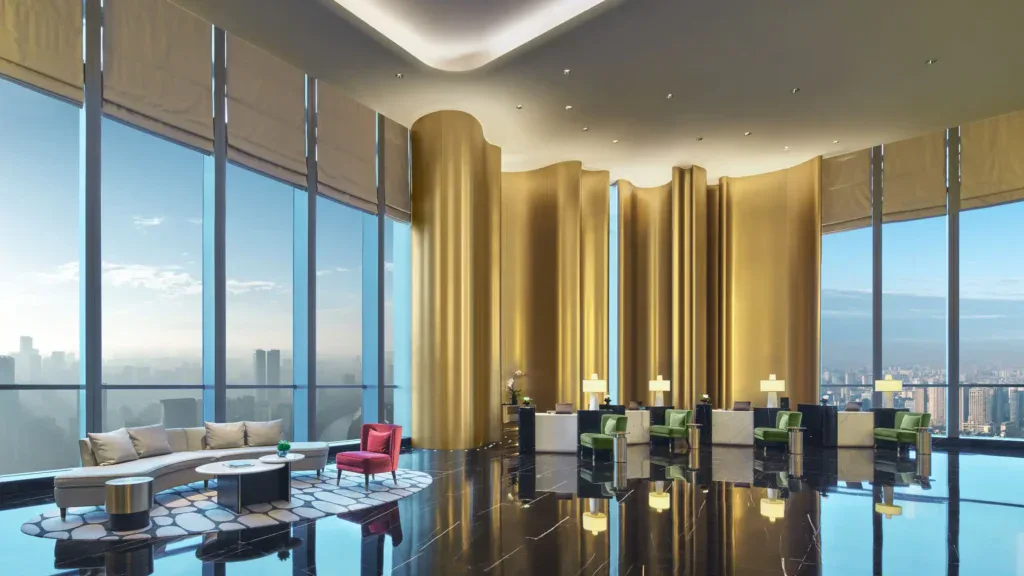
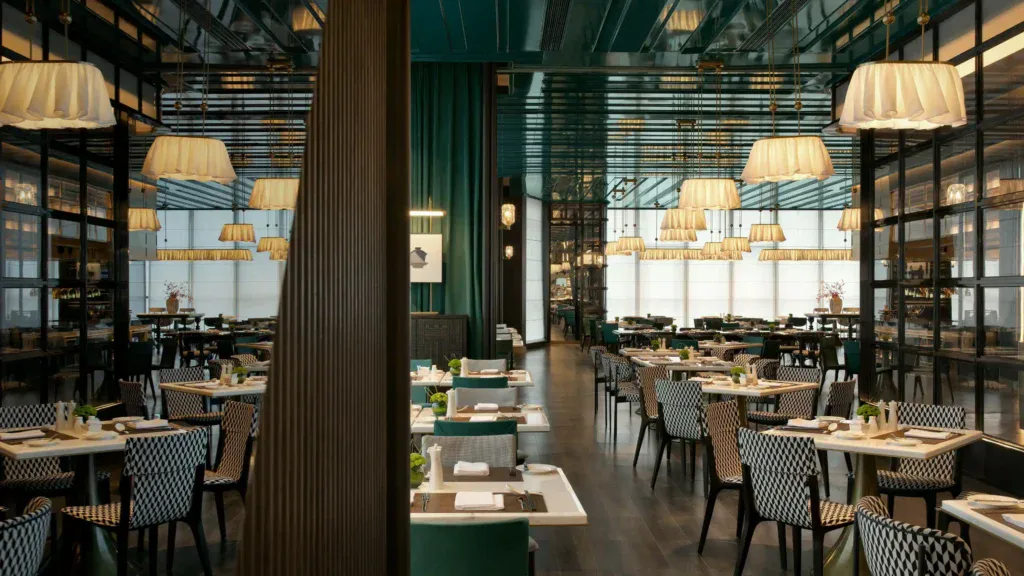
Located above the Western International Financial Center, the hotel places guests directly over Taikoo Li and Chunxi Road, allowing movement between restaurants, cafés, and bars within minutes on foot, which removes reliance on cars during peak hours when traffic slows the city. This proximity changes how the day is structured, making it possible to move between multiple venues without committing to long transfers. Rooms sit above the street-level density, with elevation providing separation once inside, and layouts that function like a private apartment rather than a transient stay. The Dining Room offers Chinese dishes with lighter seasoning, which works as a counterpoint when the rest of the day is built around richer Sichuan meals across the district.
Highlights: Direct access to Taikoo Li and Chunxi Road, elevated rooms above the crowds, and dining that offsets heavier local food.
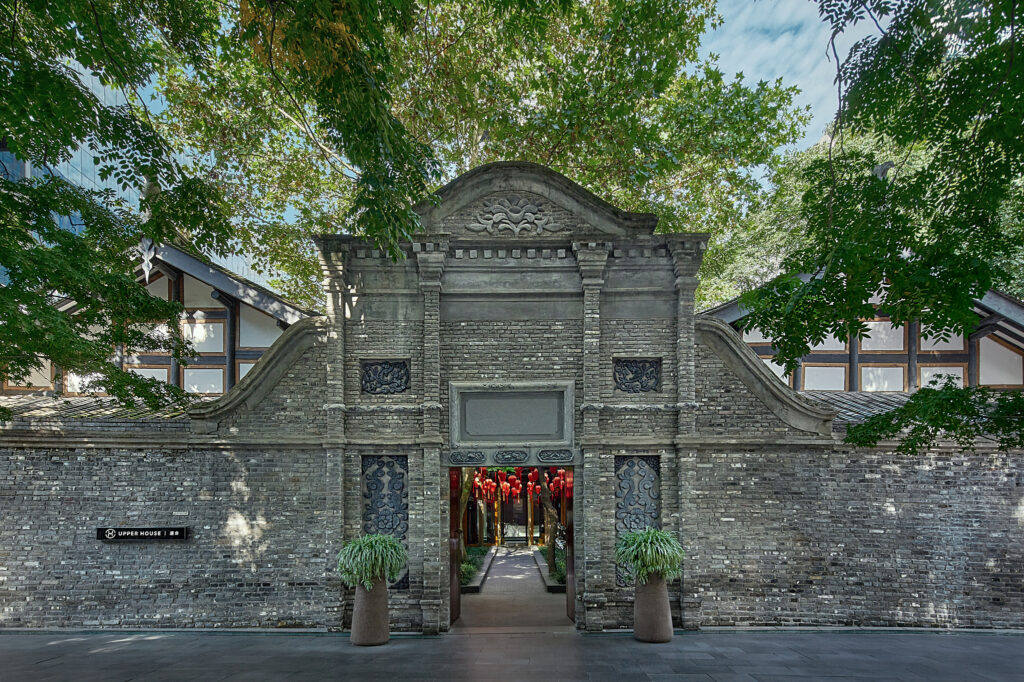
Upper House Chengdu
Courtyard-based layout beside Daci Temple with a vegetarian take on Sichuan.
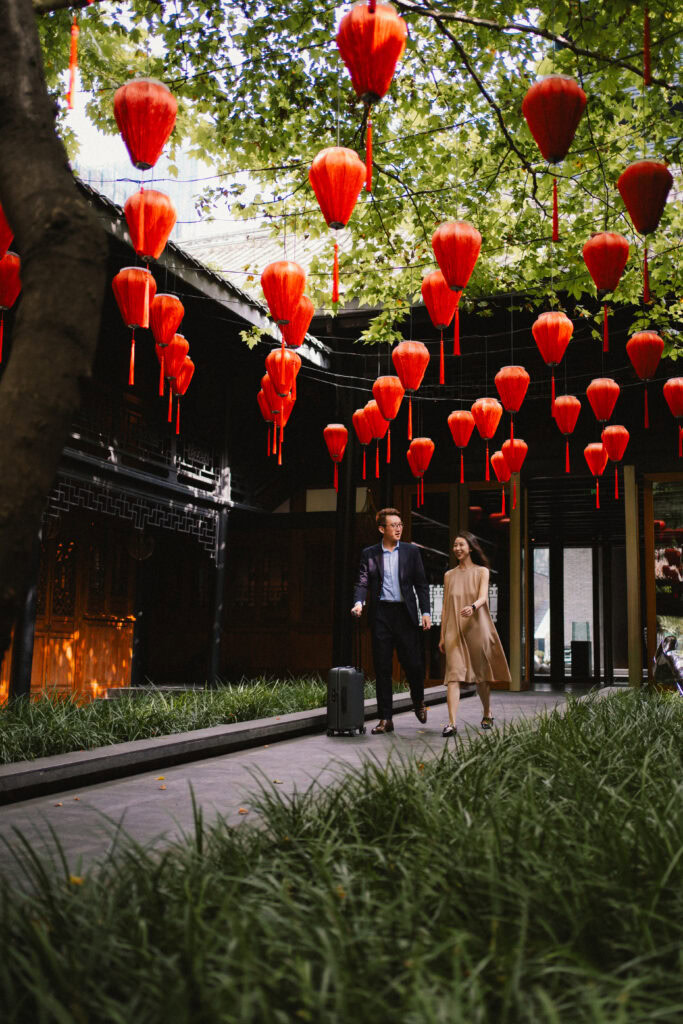
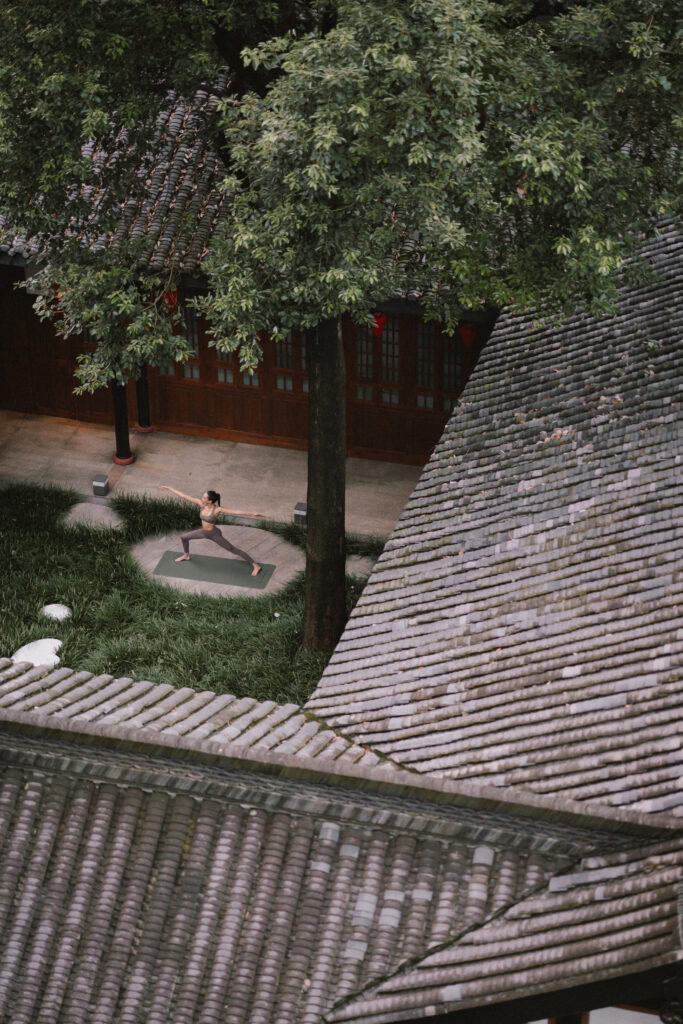
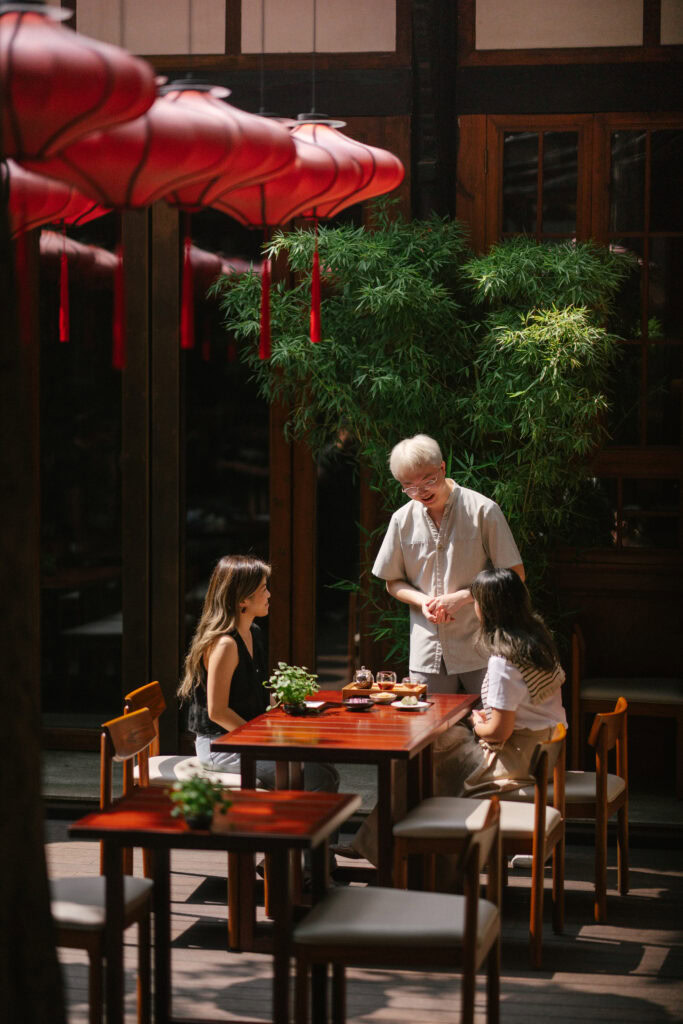
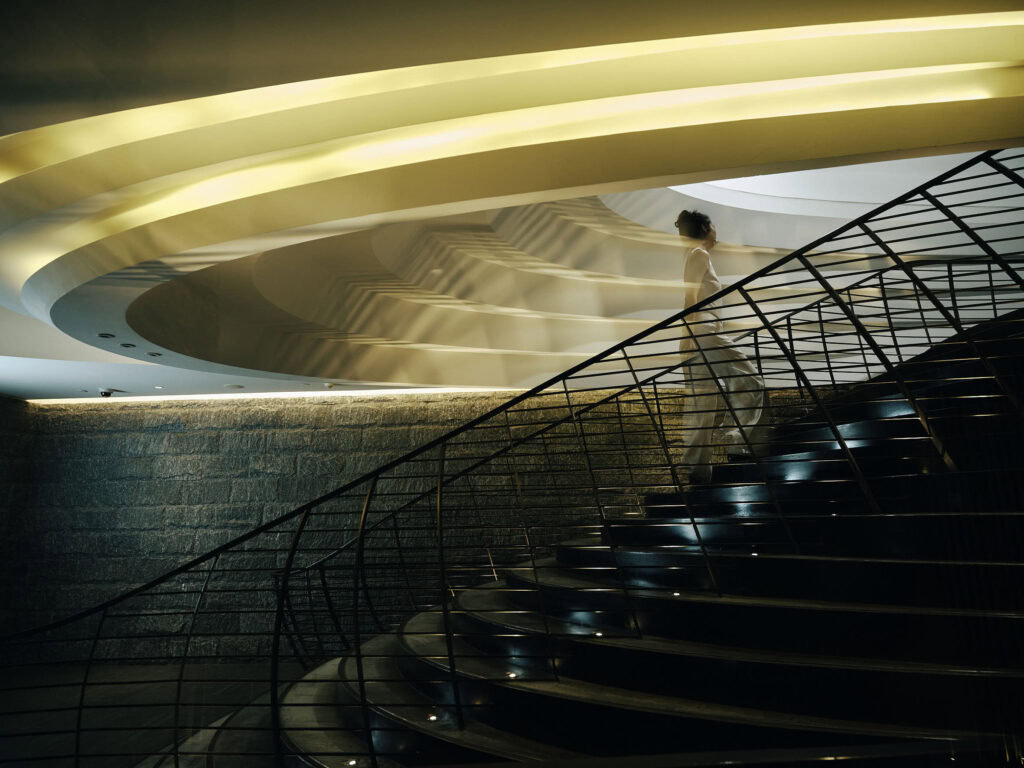
Set beside Daci Temple, the hotel builds its structure around a restored Qing courtyard, with movement unfolding through open courtyards that connect heritage architecture to newer wings, replacing enclosed corridors with outdoor transitions. This affects how the property is experienced, as each movement between spaces becomes part of the stay rather than a passage. Rooms follow a restrained layout with natural materials and soft lighting, giving space to reset between time spent outside. Mi Xun Teahouse 谧寻茶室 approaches Sichuan cuisine without meat, building dishes through broth extraction, fermentation, and texture, offering a different approach to the region’s food that does not rely on spice or oil, making it a useful contrast within a Chengdu itinerary.
Highlights: Courtyard movement across the property, vegetarian Sichuan at Mi Xun Teahouse 谧寻茶室, and location beside Daci Temple.
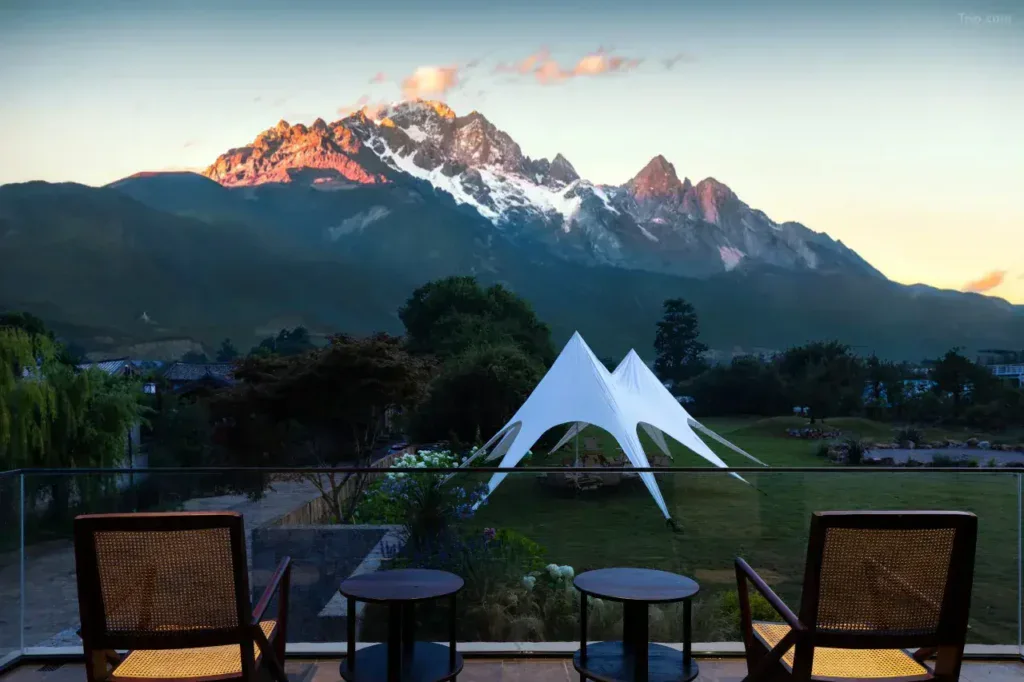
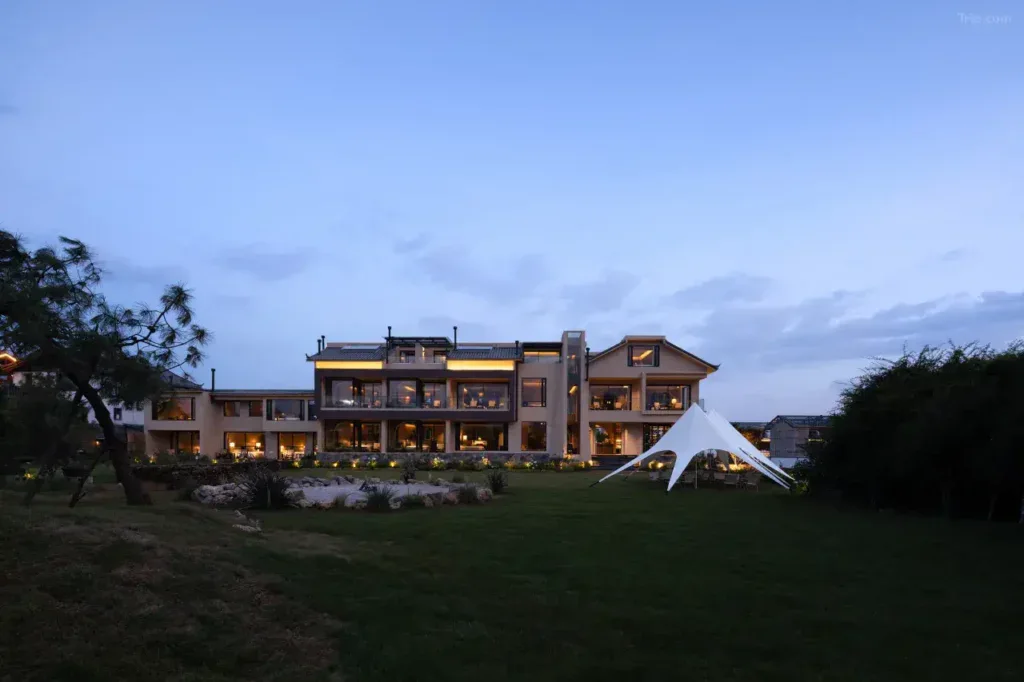
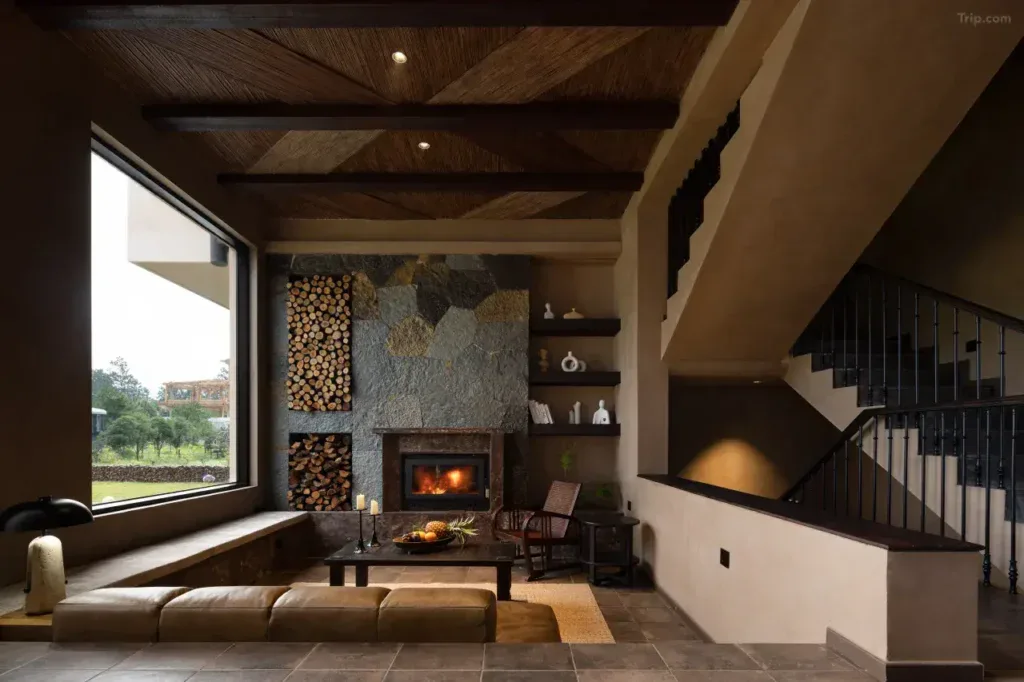
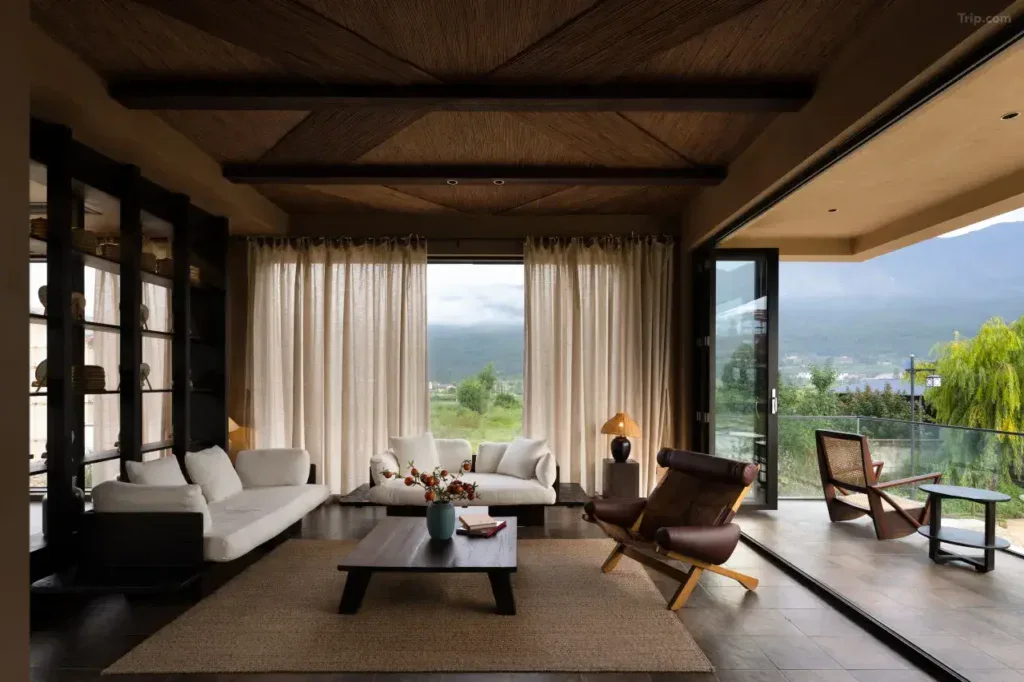
Shanyulin Rizhao Jinshan Lijiang
Highland residential stay with direct transport across Lijiang’s key areas.
Operating closer to a private residence, the property is arranged around shared courtyards and lounges that allow groups to move easily between private and common spaces without disruption, which suits longer stays. Tea is served throughout the day using local Yunnan leaves, not as a structured tasting but as a continuous offering that anchors time within the house. Breakfast follows with simple, warm dishes suited to the altitude and climate, avoiding unnecessary variation. Transport becomes the defining advantage, with hosts coordinating drives across Lijiang, linking Baisha Ancient Town, Lijiang Old Town, Lashihai Lake, and the foothills of Yulong Snow Mountain, removing the need to manage access restrictions or distance independently.
Highlights: Hosted transport across Lijiang, continuous Yunnan tea service, and a layout suited for group stays.
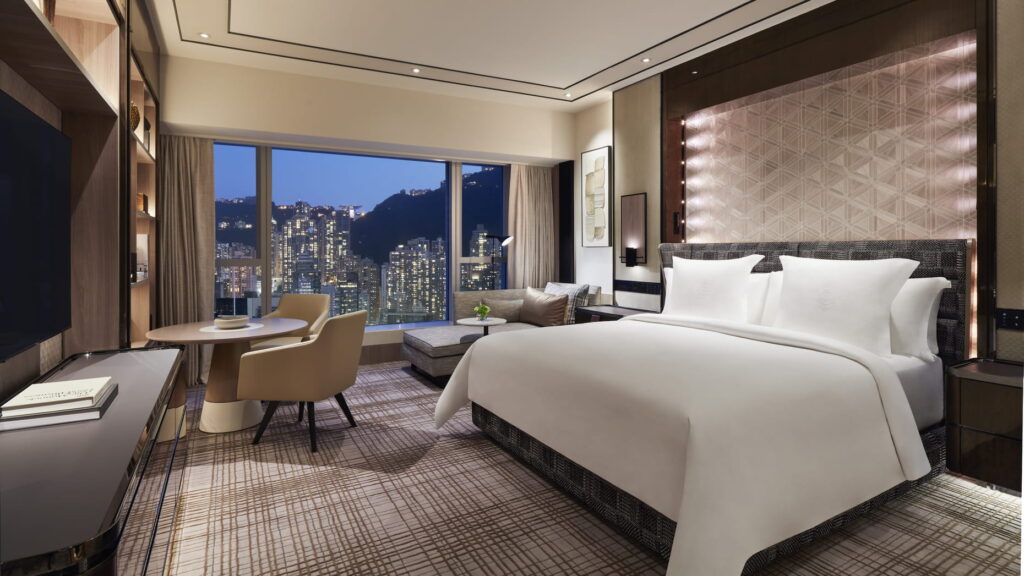
Four Seasons Hong Kong
Harbourfront base with strong dining and bar options.
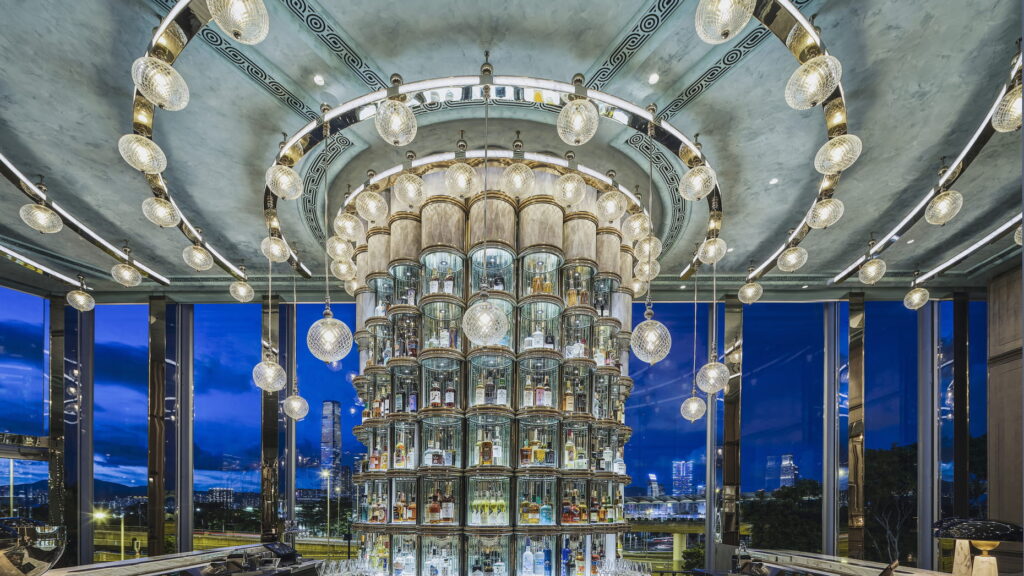
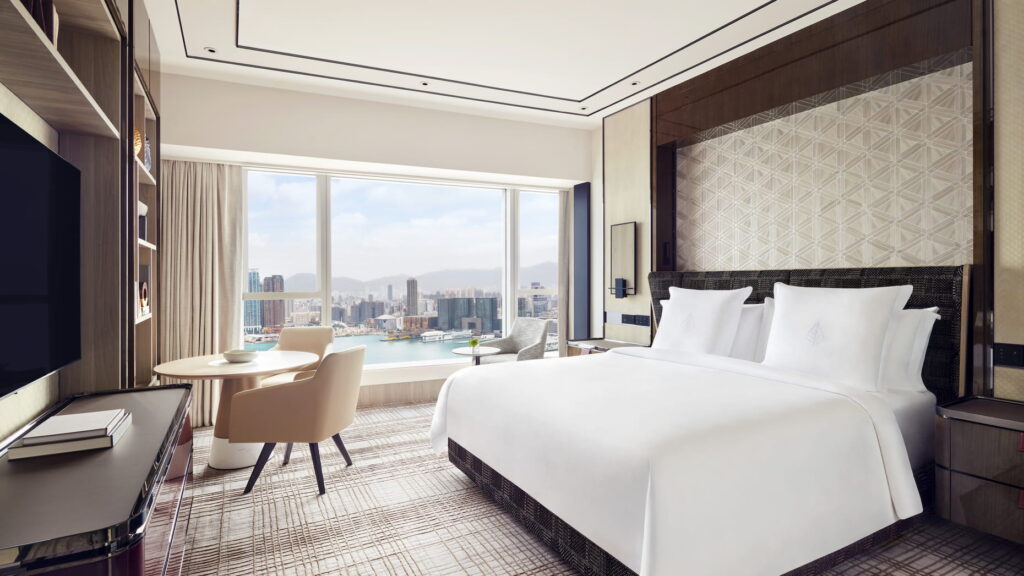
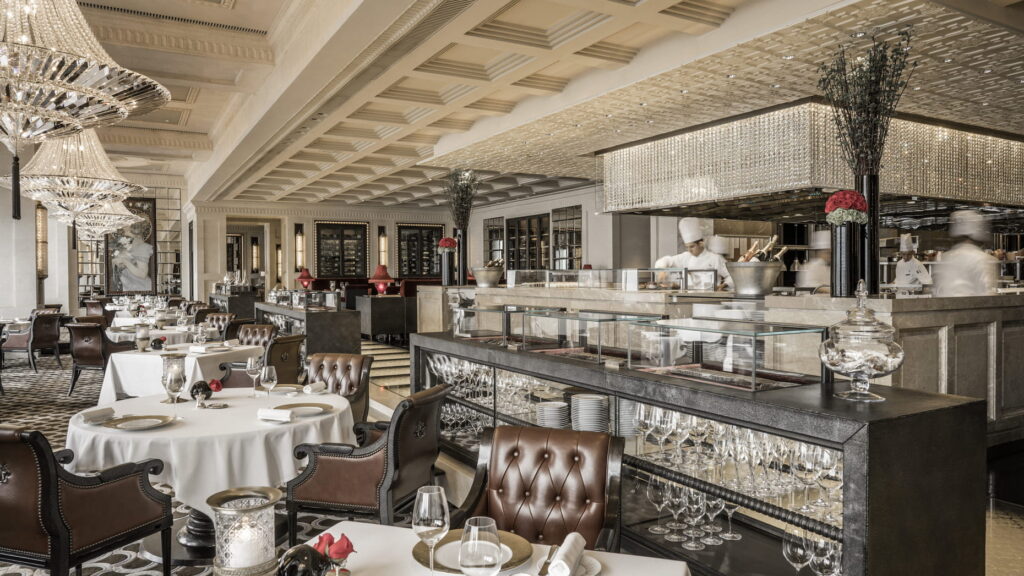
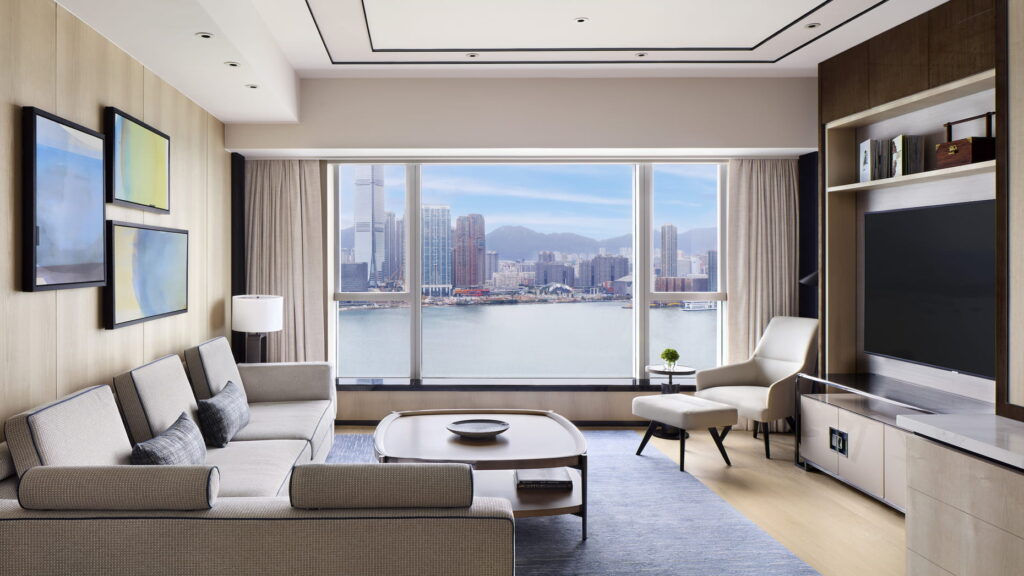
Positioned above IFC, the hotel connects directly to Central’s transport network, allowing movement across Hong Kong by foot, MTR, or ferry without interruption, which is particularly relevant in March when the city is still manageable. This positioning removes the need to plan routes in advance, making it possible to move between meetings, shopping, and dining efficiently. Rooms are laid out for comfort and function, though the defining element remains the dining. Caprice builds its menu around sauces that carry depth without becoming heavy, while ARGO constructs cocktails through ingredient pairing and structure, creating drinks that develop across the glass rather than relying on novelty, making it a bar that rewards repeat visits.
Highlights: Caprice for French cuisine, ARGO for cocktails, and direct access to Central’s transport network.