April in Peninsular Malaysia rewards travellers who plan around the heat rather than against it. George Town walks well before 10am and after dusk, Ipoh asks for water and shade through the afternoon, and Kuala Lumpur’s 2pm to 4pm rain window structures dinner reservations and evening movement. The five hotels below address April’s climate not by insulating guests from it but by giving them a workable base within it, with positioning and programming that turn the middle of the day into the most interesting part of the stay.
88 Armenian Penang
Pre-war heritage rooms and a bath butler service in the heart of George Town’s conservation zone.
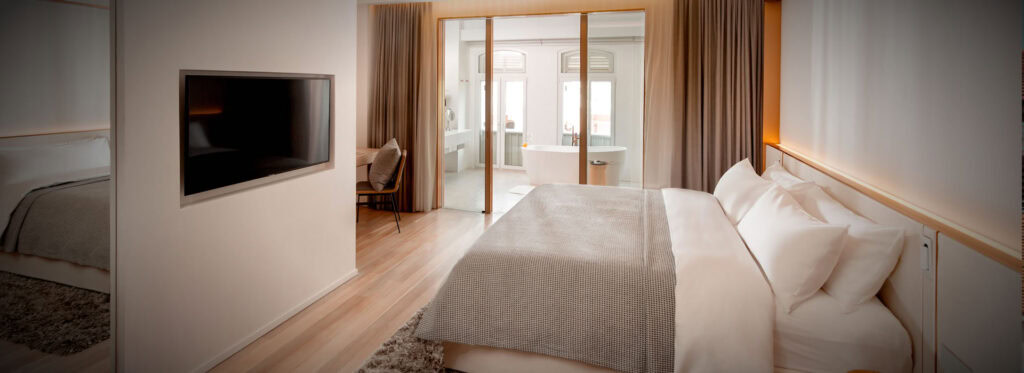
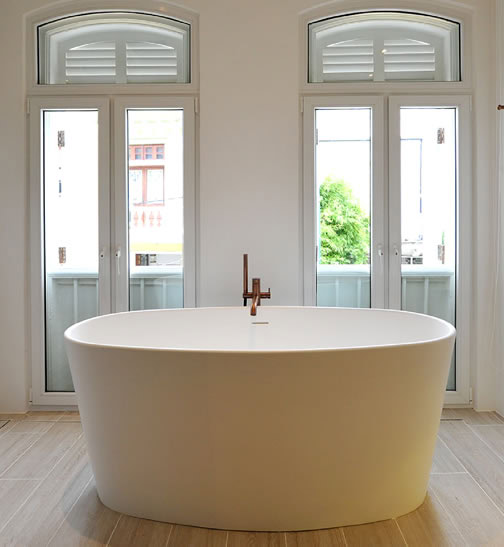
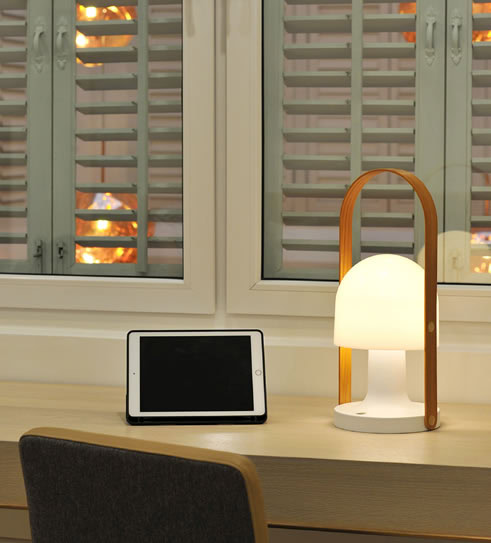
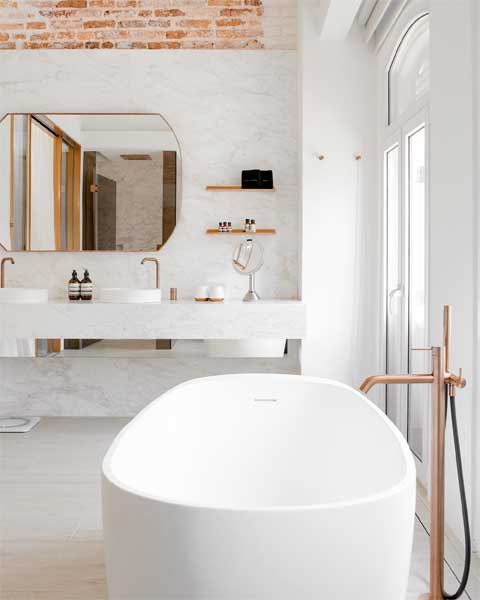
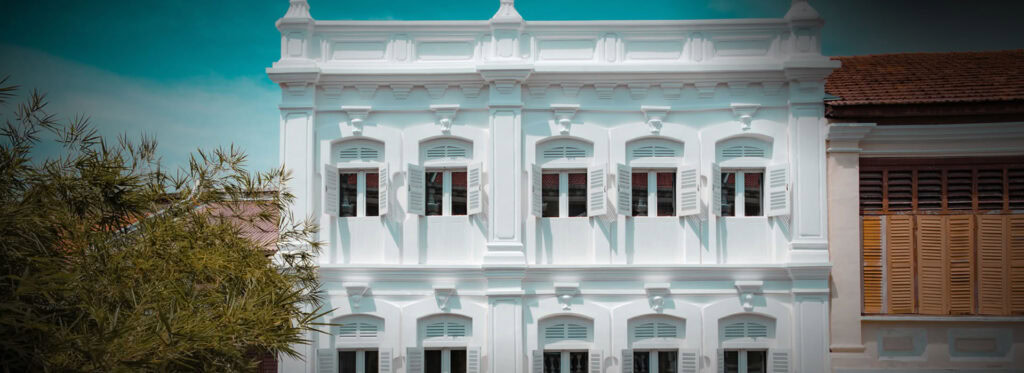
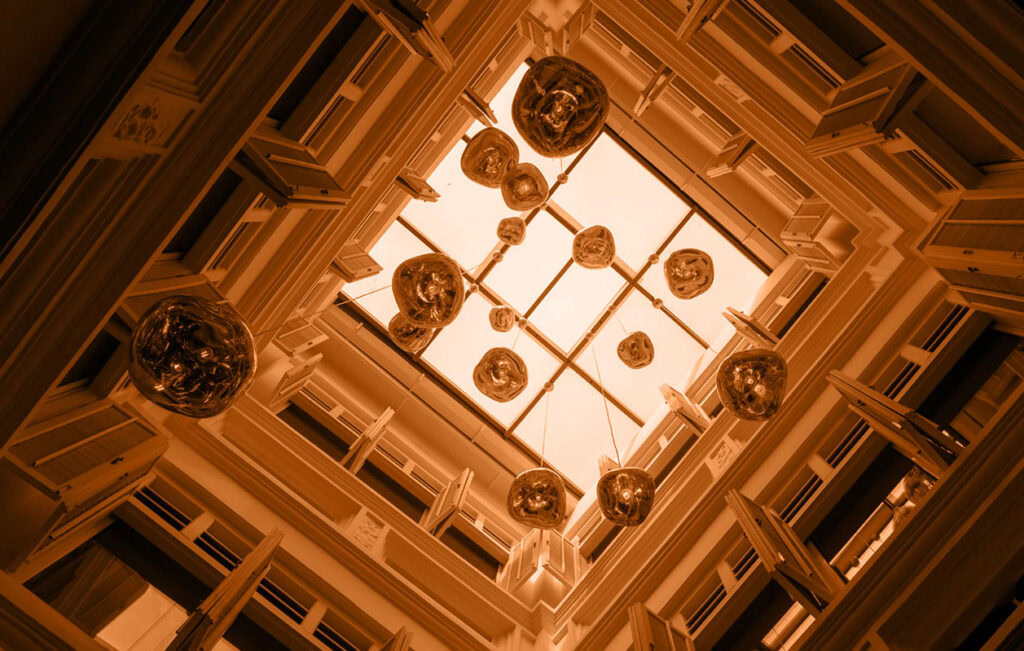
88 Armenian sits on Love Lane in the heart of George Town’s Unesco-protected heritage zone, which means the corridor between the hotel and most of what matters in the old city is walkable in under fifteen minutes. The surrounding streets contain the highest density of pre-war shophouses, clan jetties, and independently operated coffee shops in Penang, and the positioning allows guests to move in the morning before the lanes heat up and return in the evening when street food activity peaks along Muntri and Chulia. The property operates as a small-rooms hotel where the rooms themselves carry the weight of the stay. Walls retain their original plaster texture and proportions, the ceiling heights are generous relative to the building’s age, and the bathrooms have been renovated with enough precision that they do not read as afterthoughts. The Bath Butler service is the property’s most specific operational feature: a selection of bath formulations is prepared in the room on request, with water temperature and soak duration managed by the butler at the guest’s instruction. In a city where most stays are structured around eating and walking, the bath service gives the afternoon heat a concrete answer. Rooms are not large but their light is managed well, with shuttered windows that filter rather than eliminate the narrow-lane quality of the street below. Breakfast is taken in the courtyard when weather allows. April rain is brief but concentrated, and the covered courtyard provides enough shelter to hold the morning routine without interruption.
Highlights:
- Bath Butler service with customisable formulations, prepared and managed in-room on request.
- Direct position on Love Lane places the property within fifteen minutes’ walk of the main heritage corridor without street-noise exposure.
- Original plaster walls and ceiling proportions intact throughout; rooms have been renovated without erasing the building’s pre-war structure.
The Banjaran Hotsprings Retreat Ipoh
Geothermal pools, cave dining, and thermal spa treatments set within a limestone karst valley outside Ipoh.
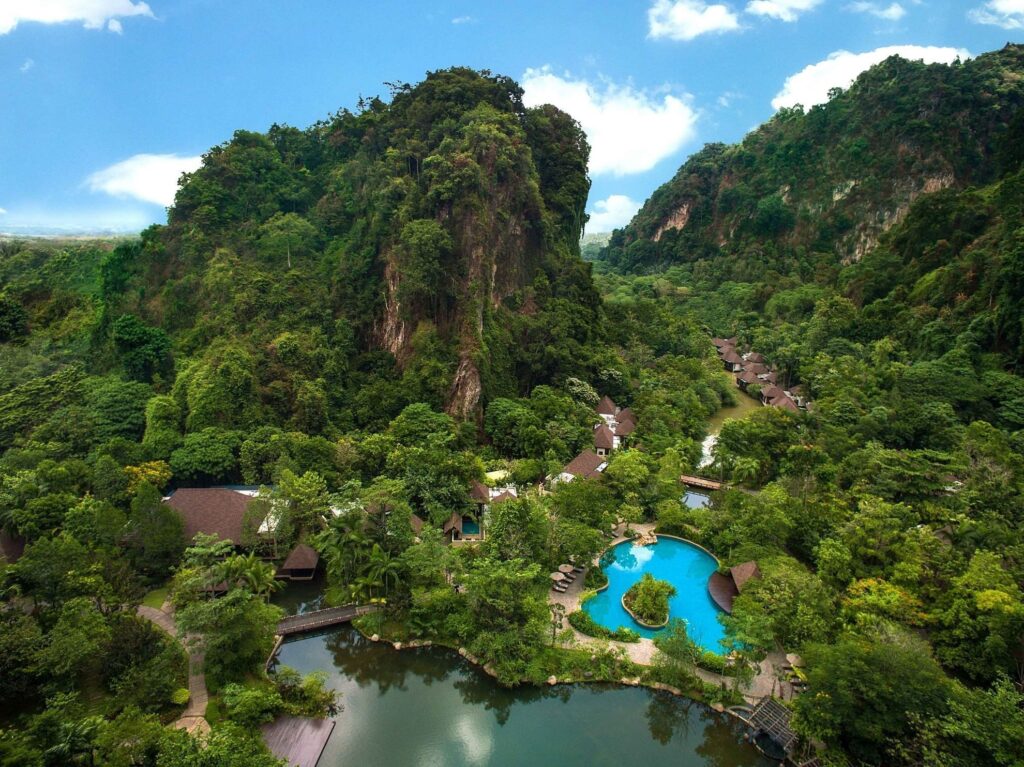
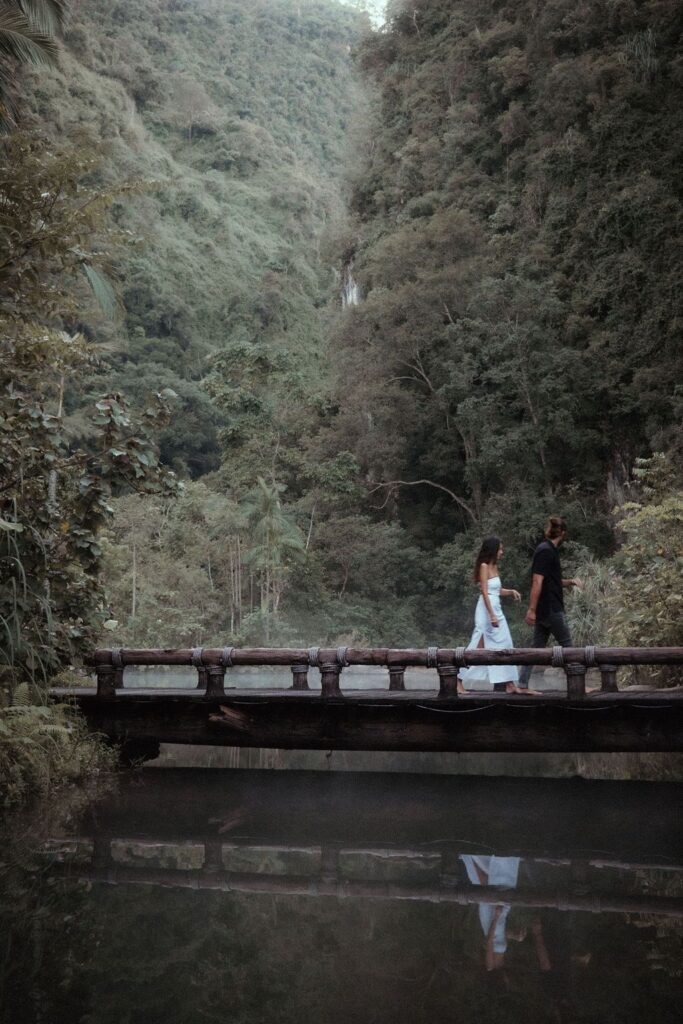
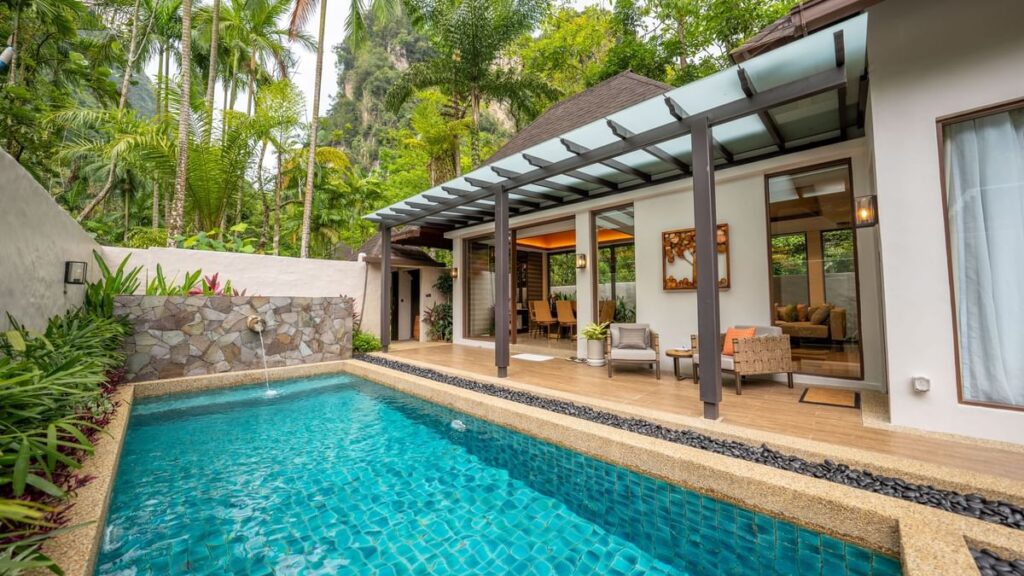
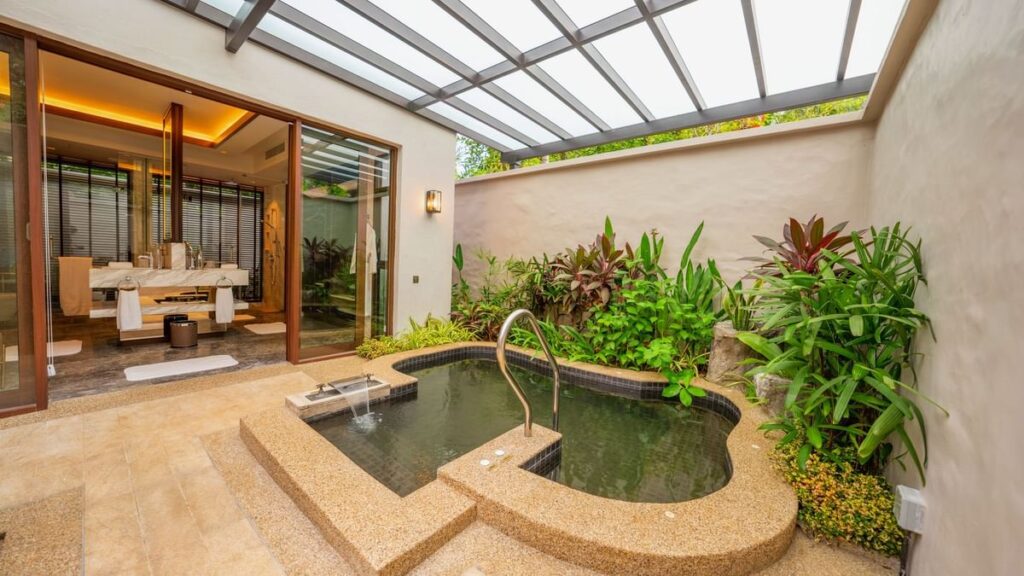
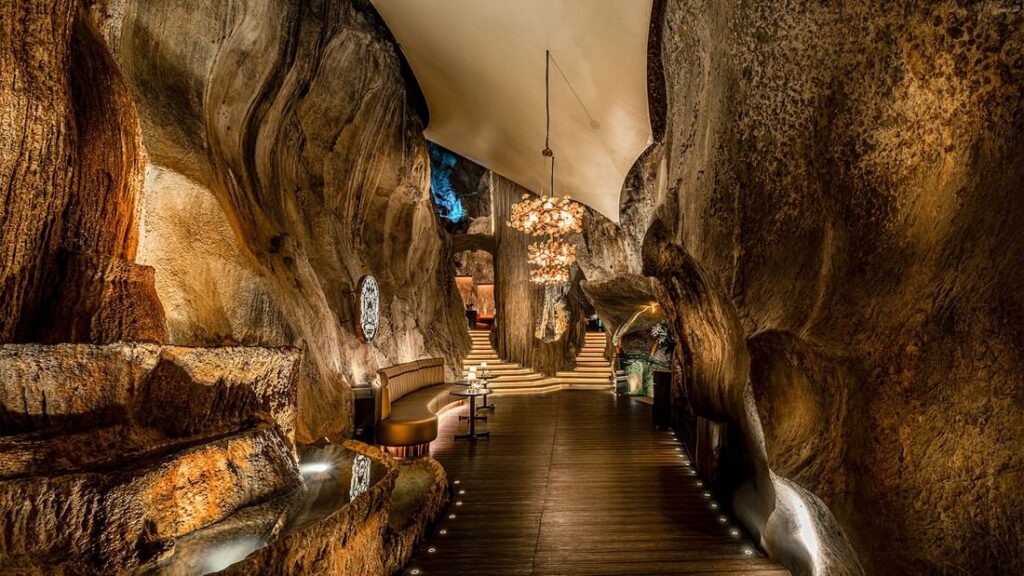
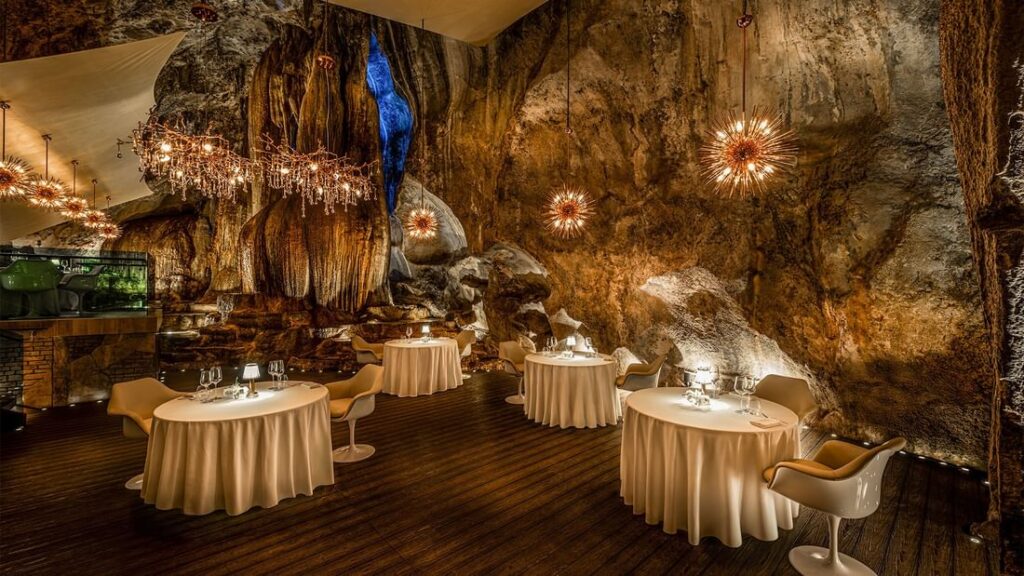
The Banjaran sits against a limestone karst formation on the northern fringe of Ipoh, set within a private valley that functions as a geological enclosure. The limestone cliffs are not incidental to the design; they form the rear wall of the property, and the natural thermal pools, limestone caves, and steam caves are integrated into the resort’s terrain rather than installed beside it. April’s heat makes the cold-water geothermal pools more immediately useful than they would be in a cooler month, and the property’s scheduling logic works well in the afternoon window when external activity in Ipoh old town becomes uncomfortable. Jeff’s Cellar, the resort’s cave dining venue, is built within an existing limestone cavern and operates as a wine-focused dinner experience. The cave temperature is consistent regardless of external conditions, the acoustic quality is distinctive without being theatrical, and the food service is structured around a private-dining format that takes reservations ahead of arrival. The pairing programme leans toward Old World selections and the service in the cave is unhurried, which suits the format. The Spa Banjaran’s Signature Massage draws from regional techniques with particular attention to pressure-point work along the spine and shoulders. Treatment rooms are positioned to allow post-massage transition directly to the thermal pools, which prevents the reset being broken by movement through public areas. Villas are freestanding and positioned to face either the pool or the limestone face, with high ceilings and louvred panels that manage the valley’s cross-breeze without relying entirely on mechanical cooling.
Highlights:
- Jeff’s Cellar cave dining in a natural limestone cavern, Old World wine programme, private-dining format with advance reservations.
- Spa Banjaran Signature Massage with direct post-treatment access to thermal pools, no transition through public corridors.
- Geothermal cold-water pools and steam caves set within the karst terrain, particularly functional during April’s peak heat hours.

The RuMa Hotel and Residences
A Malaysian tasting menu and well-proportioned city rooms within walking distance of both KLCC and Bukit Bintang.
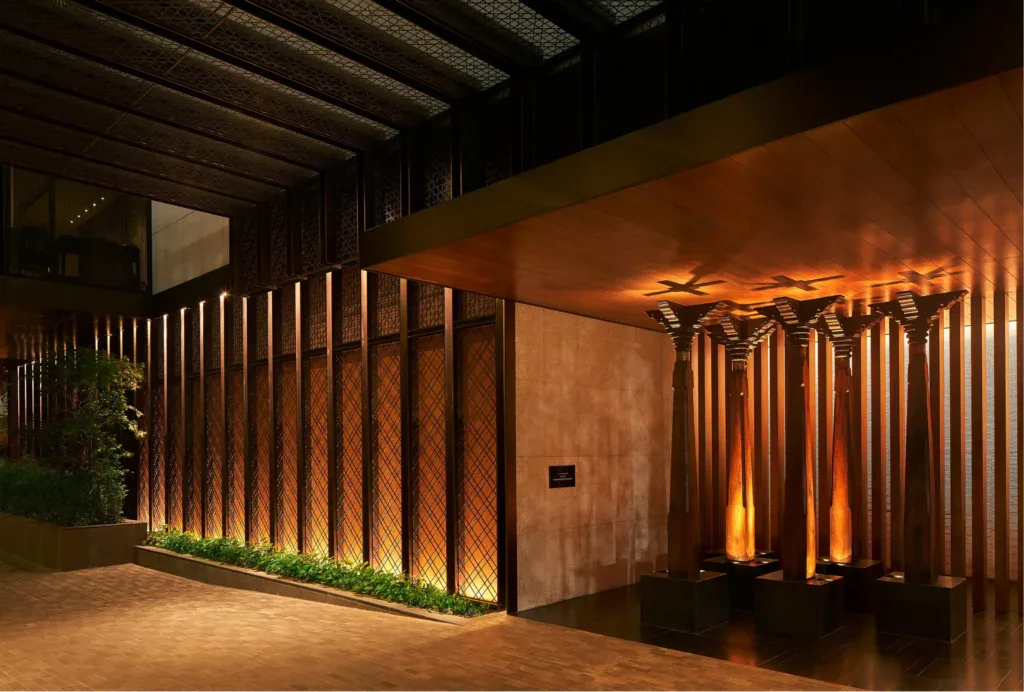
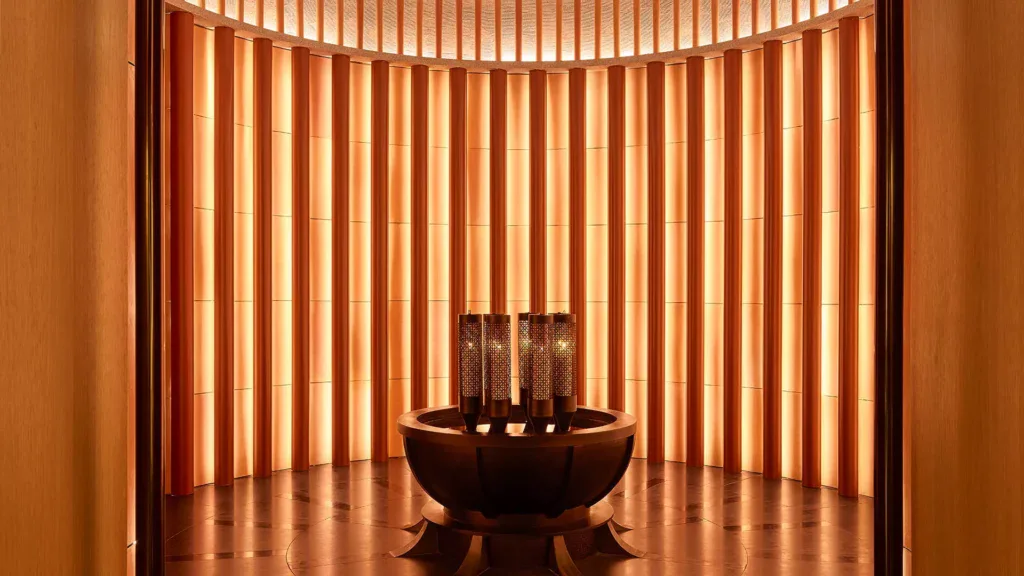
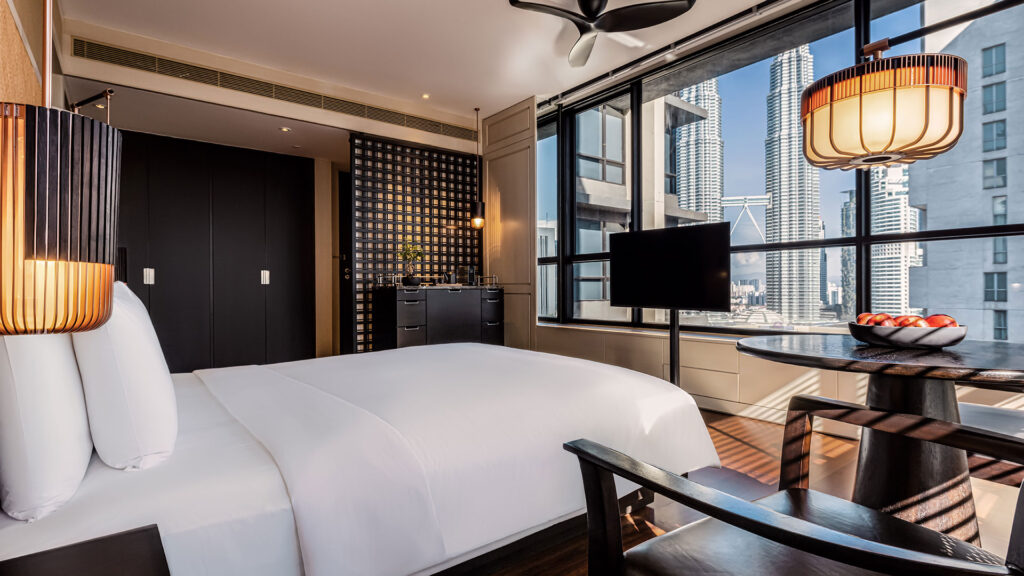
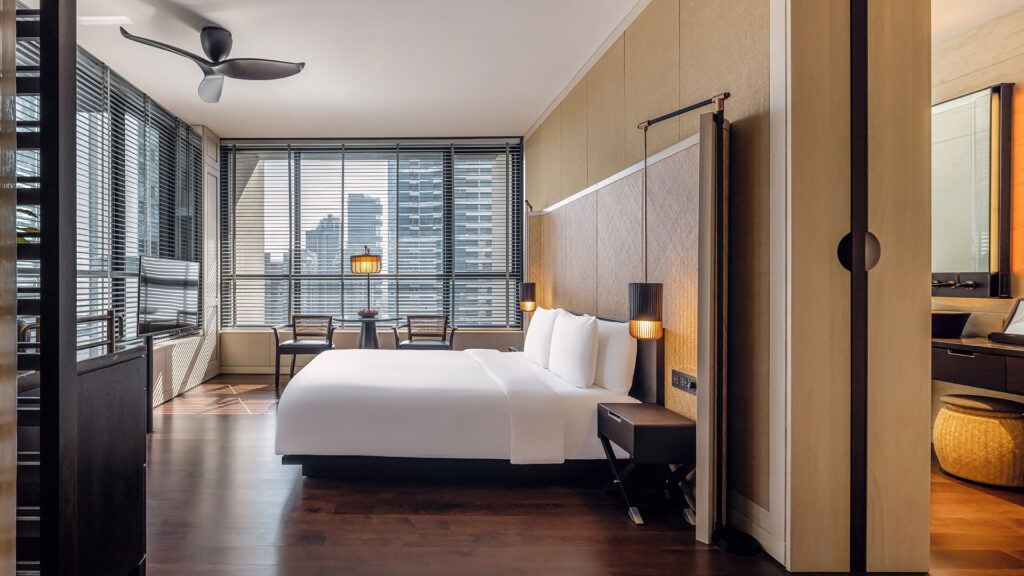
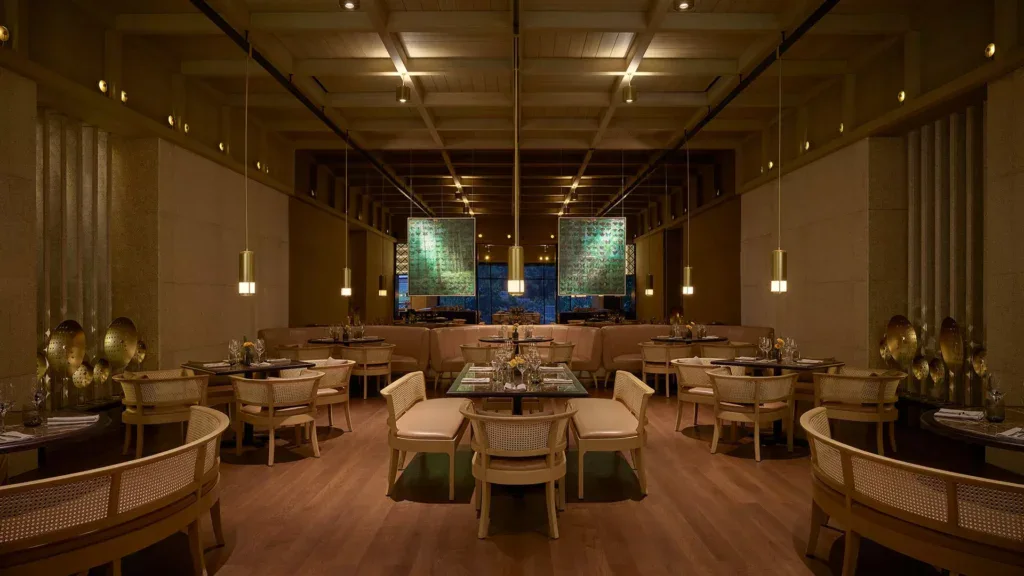
The RuMa occupies a position on Jalan Kia Peng that places it within a short walk of the KLCC park perimeter and equidistant from the Bukit Bintang and KLCC dining belts, which in practical terms means guests can move to either corridor in April’s evening hours without requiring transport. The building is relatively low-rise by Kuala Lumpur standards and the rooms are sized with enough floor area that the standard category does not feel compressed. Corridor lighting is warm and the room palette draws on materials with local reference without leaning into the kind of decorative ethnography that dates quickly. ATAS, the hotel’s signature restaurant, operates a Malaysian tasting menu that takes the format seriously rather than using it as a vehicle for showcasing imported technique. The kitchen works with Malaysian produce and cooking logic, including fermented elements, regional chilli bases, and preparations drawn from the country’s layered culinary geography. Dishes arrive sequenced to build rather than repeat, and the service pacing is calibrated to a tasting menu’s specific demands rather than a la carte speed. The wine list includes enough natural and minimal-intervention selections to work with the food’s fermented components. For guests arriving from Penang or Ipoh earlier in the day, the hotel’s check-in efficiency and luggage-handling are practical advantages given the afternoon rain window. ATAS dinner reservations book ahead, particularly in April when the restaurant maintains higher weekend occupancy, and the concierge team handles this with lead time from the property’s own booking system.
Highlights:
- ATAS tasting menu built around Malaysian produce and fermented cooking techniques, sequenced service with wine pairings including natural selections.
- Walking distance to both KLCC and Bukit Bintang corridors, reducing transport dependency during April’s peak heat and afternoon rain periods.
- Room sizing above the KL average for the category, with warm material palette and corridor lighting that reads considered rather than generic.
Park Hyatt Kuala Lumpur
Fire-cooked dining, a working sauna, and unobstructed city views from the upper floors of Merdeka 118.
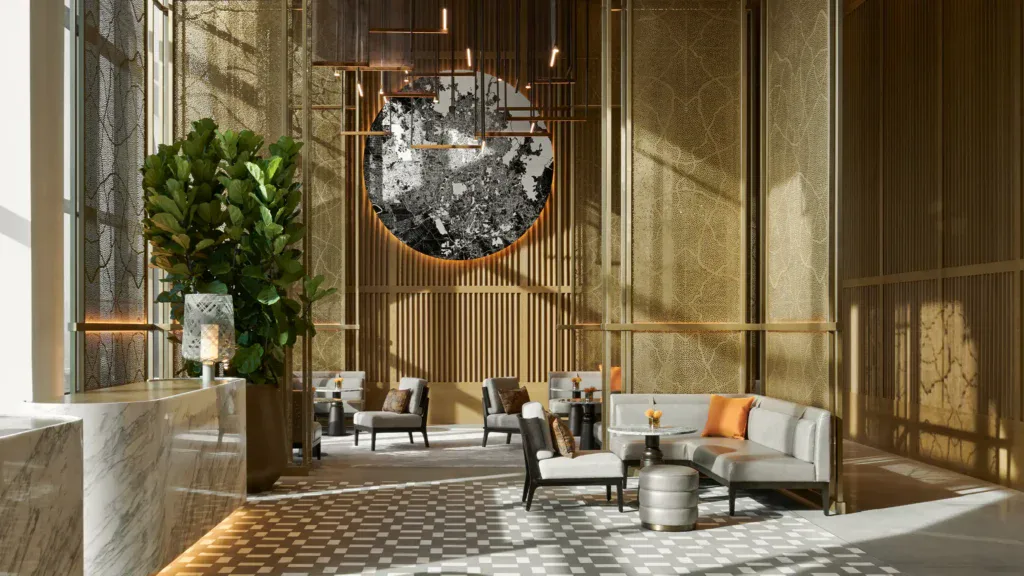
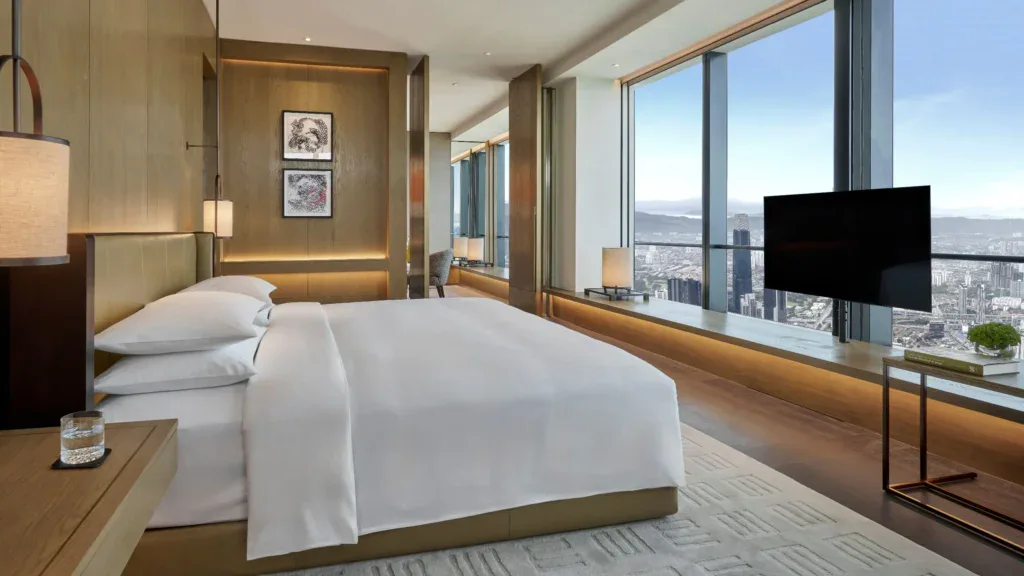
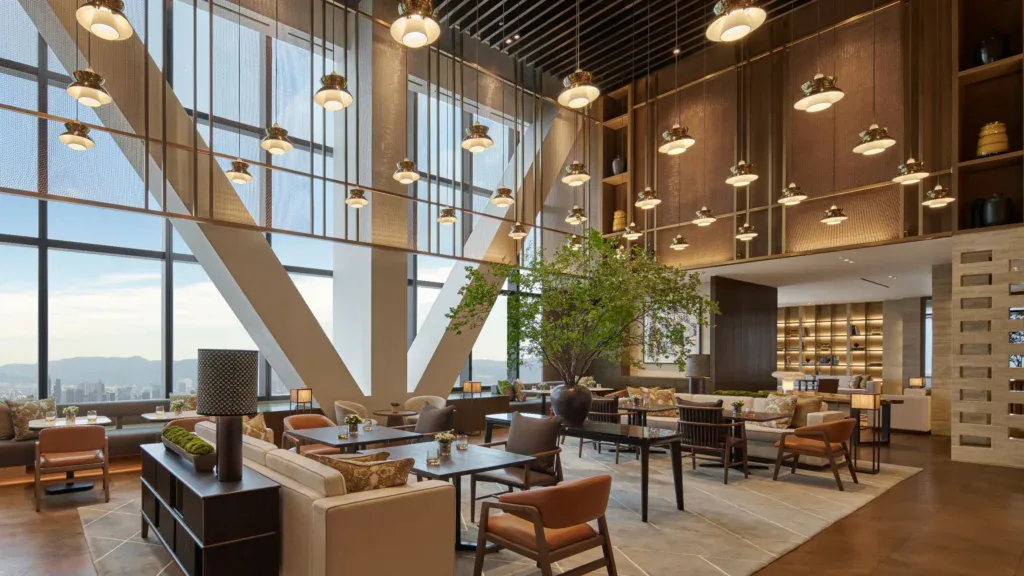
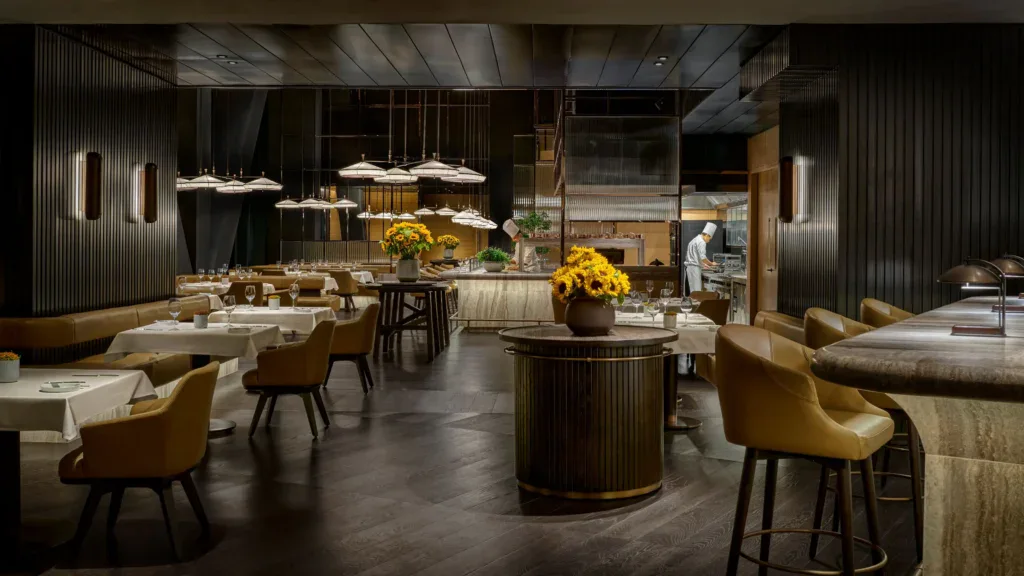
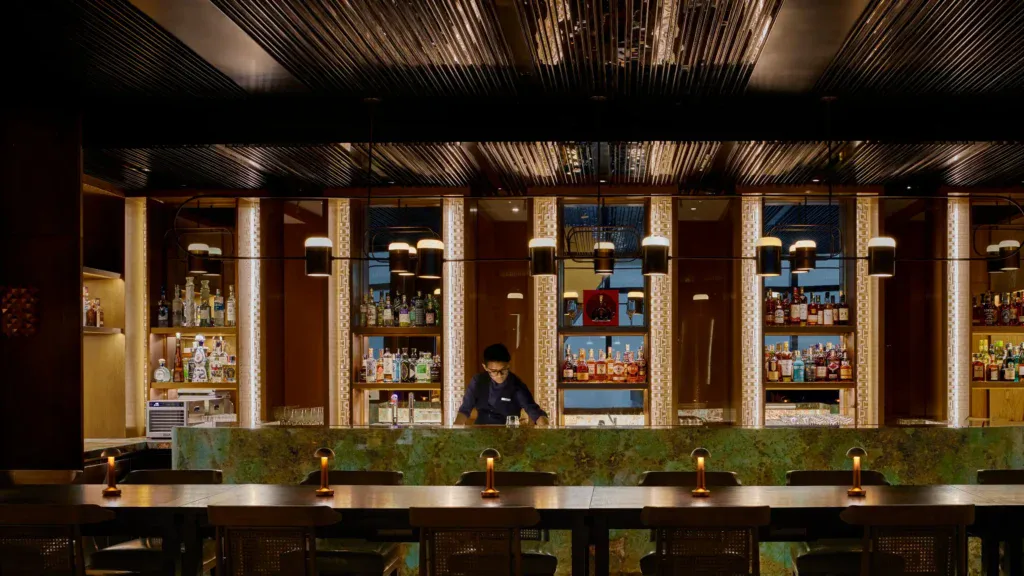
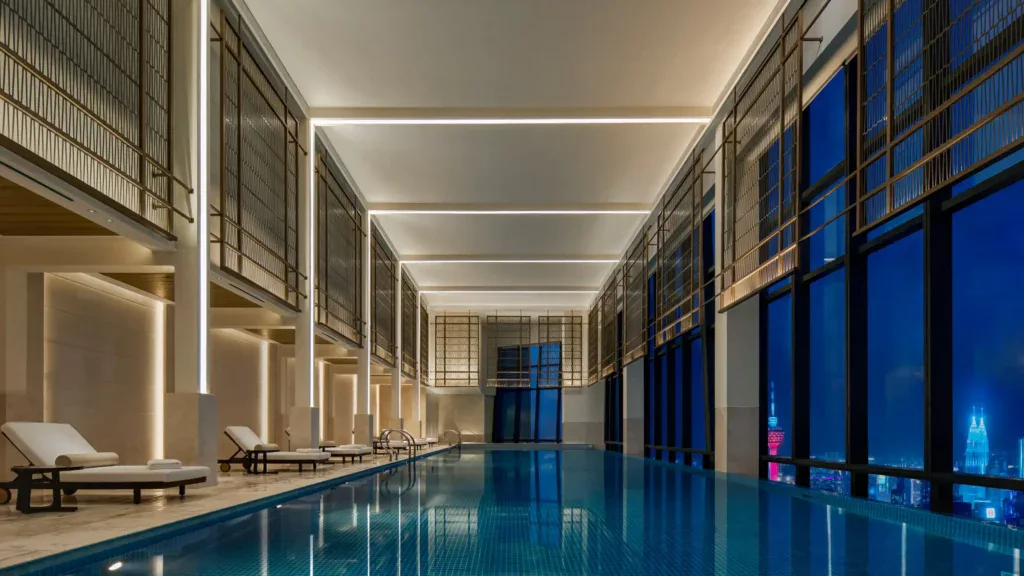
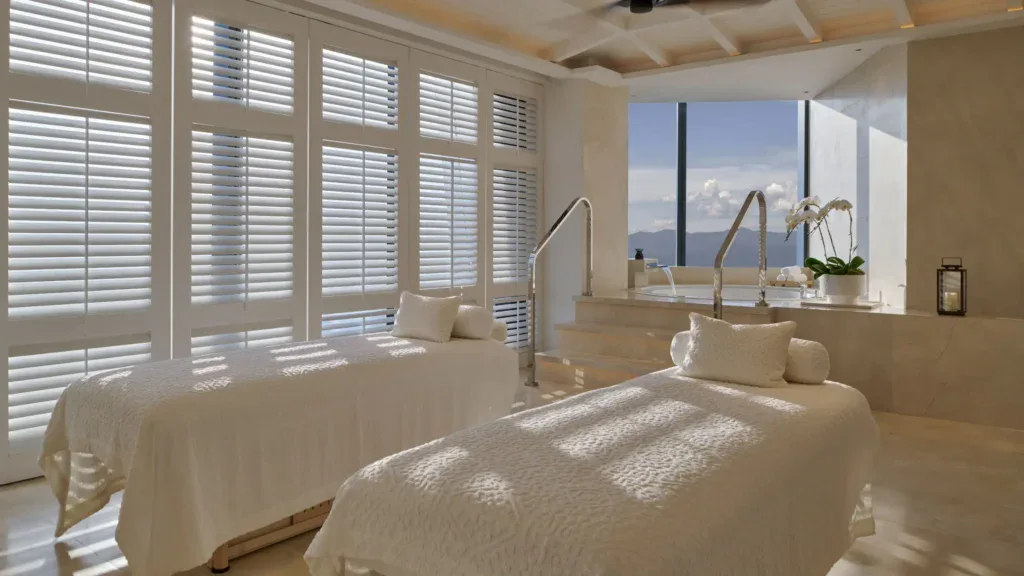
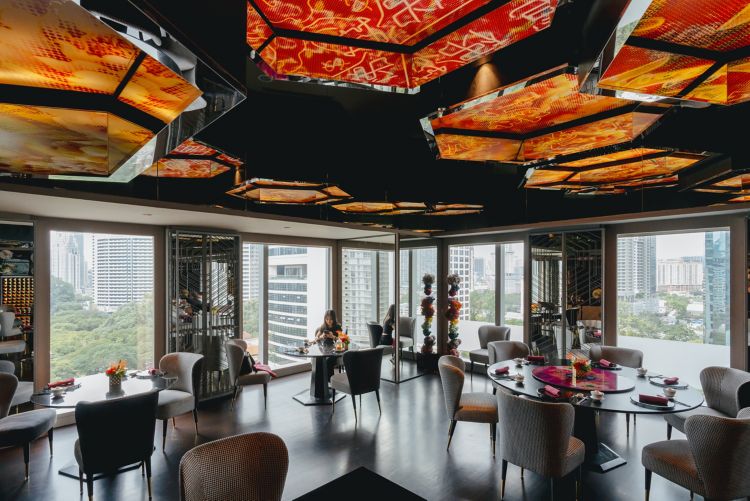
Park Hyatt Kuala Lumpur occupies floors 100 to 118 of the Merdeka 118 tower, which at the time of writing remains the world’s second-tallest completed structure. The elevation is not a decorative point; it changes the functional character of the stay in ways that most visitors notice within the first hour. City noise is absent at this height, the glass wall of the standard room delivers a working panorama of Kuala Lumpur’s skyline and, on clear mornings in April before midday haze accumulates, a sight line that extends toward the Titiwangsa range. Room dimensions are generous and the bathrooms are fitted with stone and dark metal in proportions that match the space rather than the budget. The sauna within the spa level functions as a daily-use facility rather than a ceremonial one, and in April’s humidity it serves a practical purpose for guests returning from the streets below. The Spa operates the property’s treatment programme across a floor that is, given the tower’s floor plate, larger than comparable hotel spa levels in the city. Merdeka Grill handles breakfast, lunch and dinner with a menu structured around fire-cooked proteins and direct sourcing of Malaysian beef and seafood. The kitchen’s approach to grilling is technique-driven; the cooking temperature and rest management produce results that distinguish the restaurant from the category. Afternoon Tea in the Park Lounge is served between two and five, which maps directly onto April’s rain window and gives the mid-afternoon a structured interval rather than a dead hour. The lounge elevation means the weather becomes a visual feature rather than an inconvenience.
Highlights:
- Merdeka Grill’s fire-cooked programme with Malaysian beef and seafood, technique-led approach to rest and temperature management.
- Afternoon Tea at Park Lounge scheduled within April’s rain window (two to five), with unobstructed high-elevation city views throughout.
- Sauna at spa level functions as a practical daily-use facility; spa floor plate is larger than the KL hotel average due to the tower’s structural dimensions.
W Kuala Lumpur
Rooftop pool drinking with a direct Twin Towers sightline and a South American bar menu built for KL’s late-night pace.
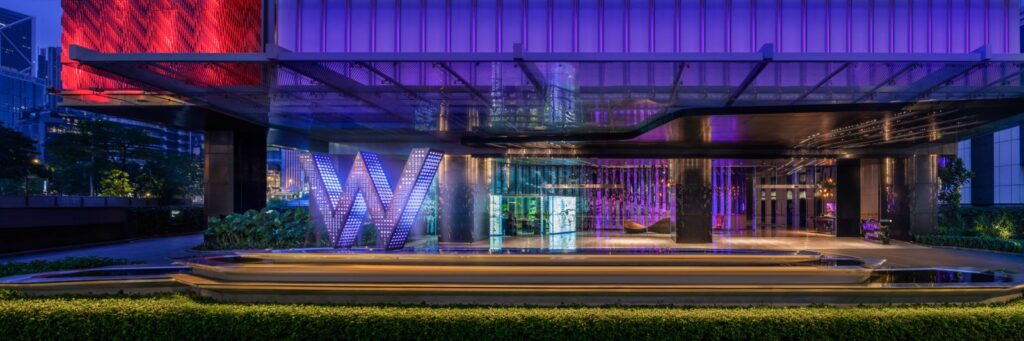
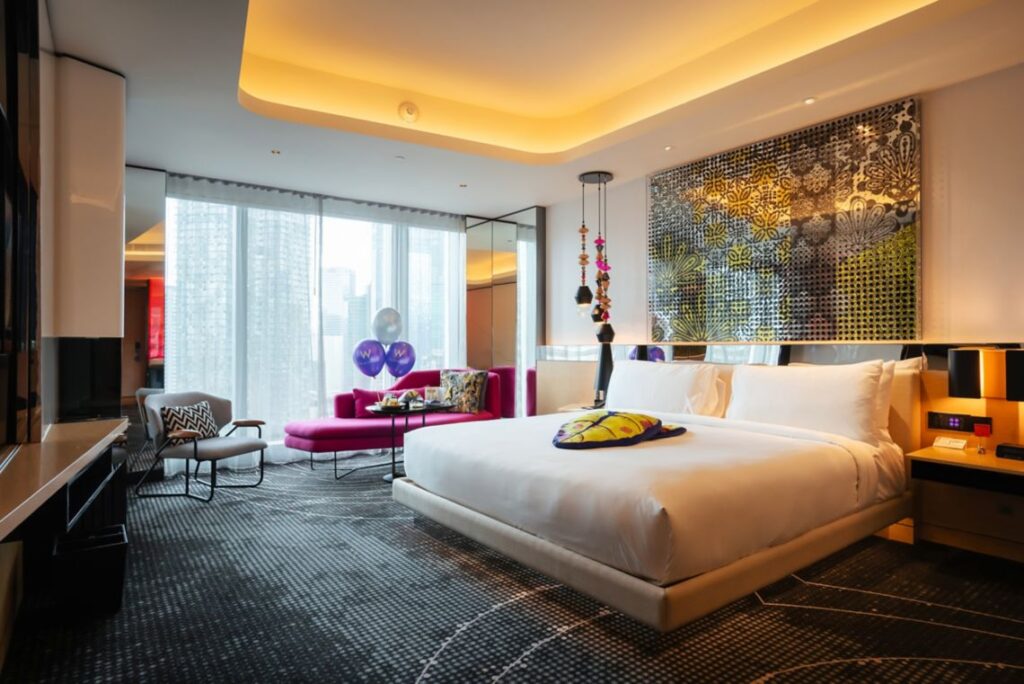
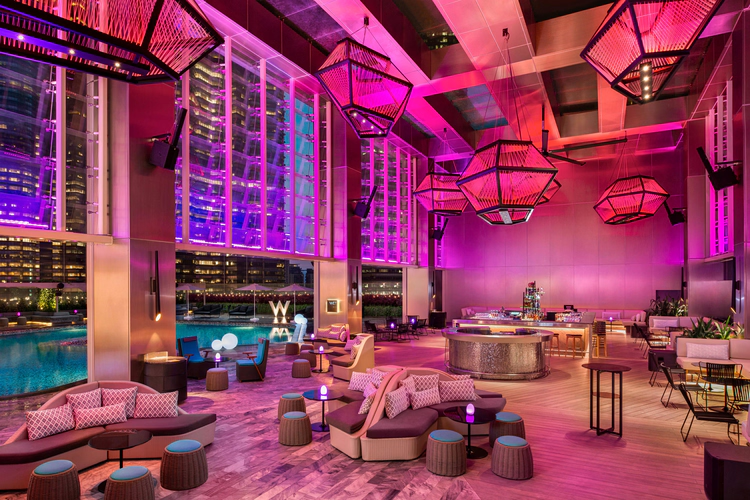
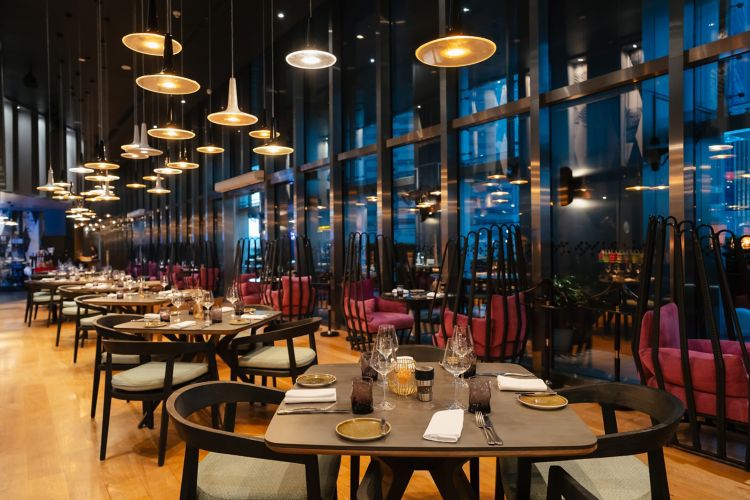
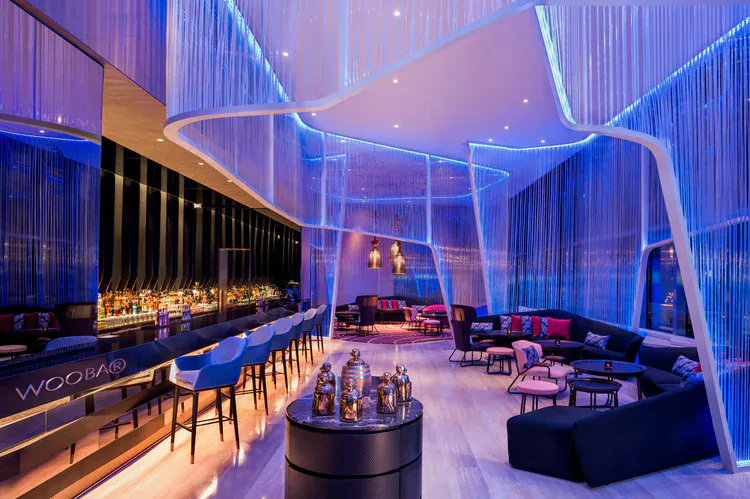
W Kuala Lumpur sits on Jalan Ampang at 350 metres from the Petronas Twin Towers, which is close enough that the towers read as proximate objects from the upper floors rather than as distant skyline elements. The hotel occupies 150 rooms across nine floors, with the rooms positioned to face either the Twin Towers or the broader city grid depending on category. The Spectacular Room category is the most practical choice for guests whose primary reason for staying here is the view: floor-to-ceiling glass frames the towers directly, and the effect after dark, when the structure illuminates, is the strongest version of the KLCC sightline available from any hotel room in the precinct at this price band. Wet Deck on the 12th floor is the property’s most operationally useful feature for April travel. The rooftop pool and bar sit at a height that catches the evening breeze once the afternoon heat begins to break, typically from five o’clock onward, and the Twin Towers remain in direct sightline throughout. The drinks programme is built around a Paloma format, with tequila, grapefruit, and citrus-forward serves that work with the outdoor temperature rather than against it. The grazing menu draws from South American flavour logic, including tacos, tartare preparations, and spiced lamb applications that hold up as bar food without requiring a separate dinner reservation. The bar runs until midnight on weeknights and until two in the morning on Saturdays, which makes it a functional last stop after dinner elsewhere in the KLCC corridor. The KLCC LRT station is within comfortable walking distance for guests moving between the hotel and the broader city during daylight hours.
Highlights:
- Wet Deck rooftop pool bar on the 12th floor, direct Twin Towers sightline, Paloma-led cocktail programme open until 2am on Saturdays.
- Spectacular Room category delivers an unobstructed floor-to-ceiling Twin Towers view, most effective after dark when the towers are illuminated.
- South American grazing menu functions as a standalone bar-food option, removing the need for a separate dinner reservation on lighter evenings.